
Wall Street analysts issued stock recommendations on Monday. Nvidia got some. Micron got some. Ferrari got some. Rocket Lab, DataDog, and several others also received opinions from people whose job is to have opinions.
The biggest calls. That's what they're calling them. Not the most accurate calls or the most profitable calls. The biggest. As if volume and font size determine whether your portfolio goes up or down.
Retail traders will read every word of this analyst coverage. They'll screenshot the upgrades. They'll post them in Discord channels with rocket emojis. They'll buy shares at market open, confident that a stranger at Morgan Stanley who covers forty-seven companies has done the deep work they couldn't be bothered to attempt.
Here's what happened: Someone changed a price target. Someone else upgraded a rating from Hold to Buy, which is analyst-speak for "we were wrong before but trust us now." Another person downgraded something, probably after it already dropped fifteen percent.
None of this is predictive. None of it generates alpha. The correlation between analyst calls and future stock performance is roughly equal to the correlation between your horoscope and whether you'll find love this month. But it gets published. It gets read. It gets traded on.
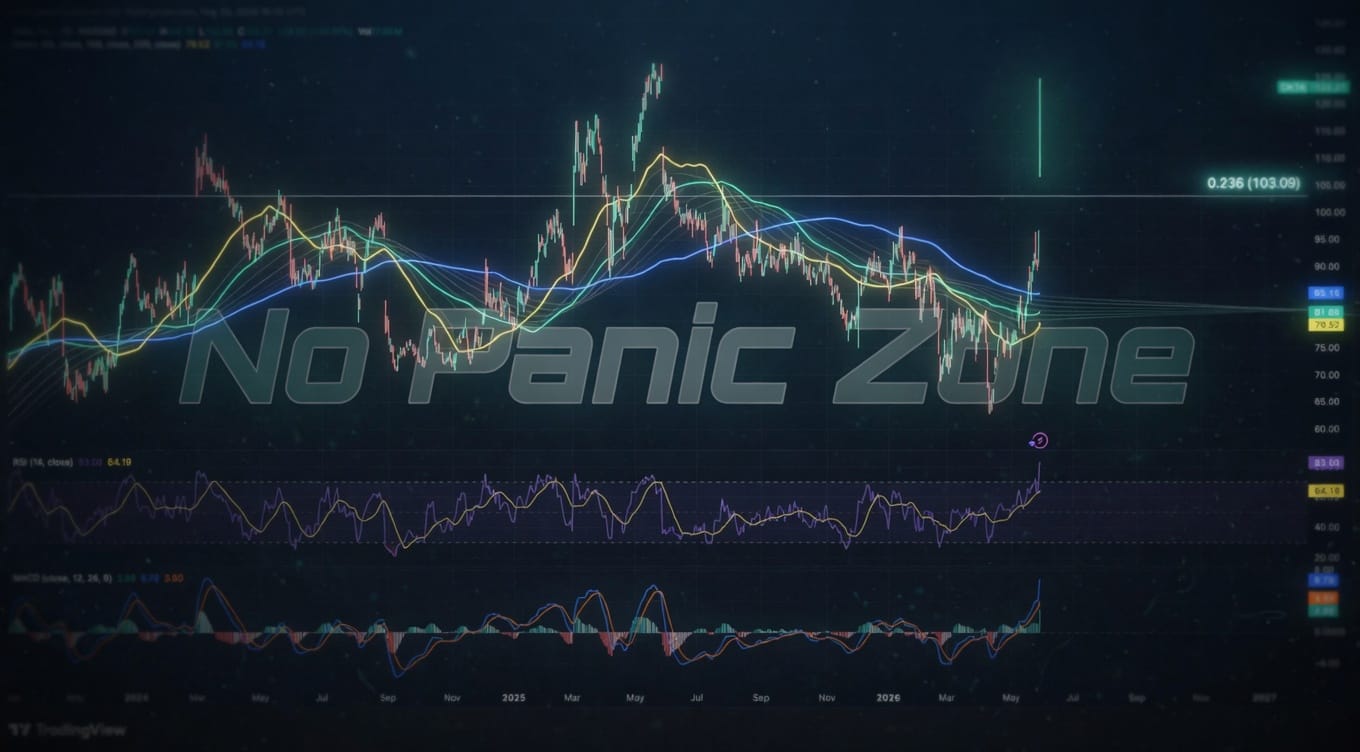
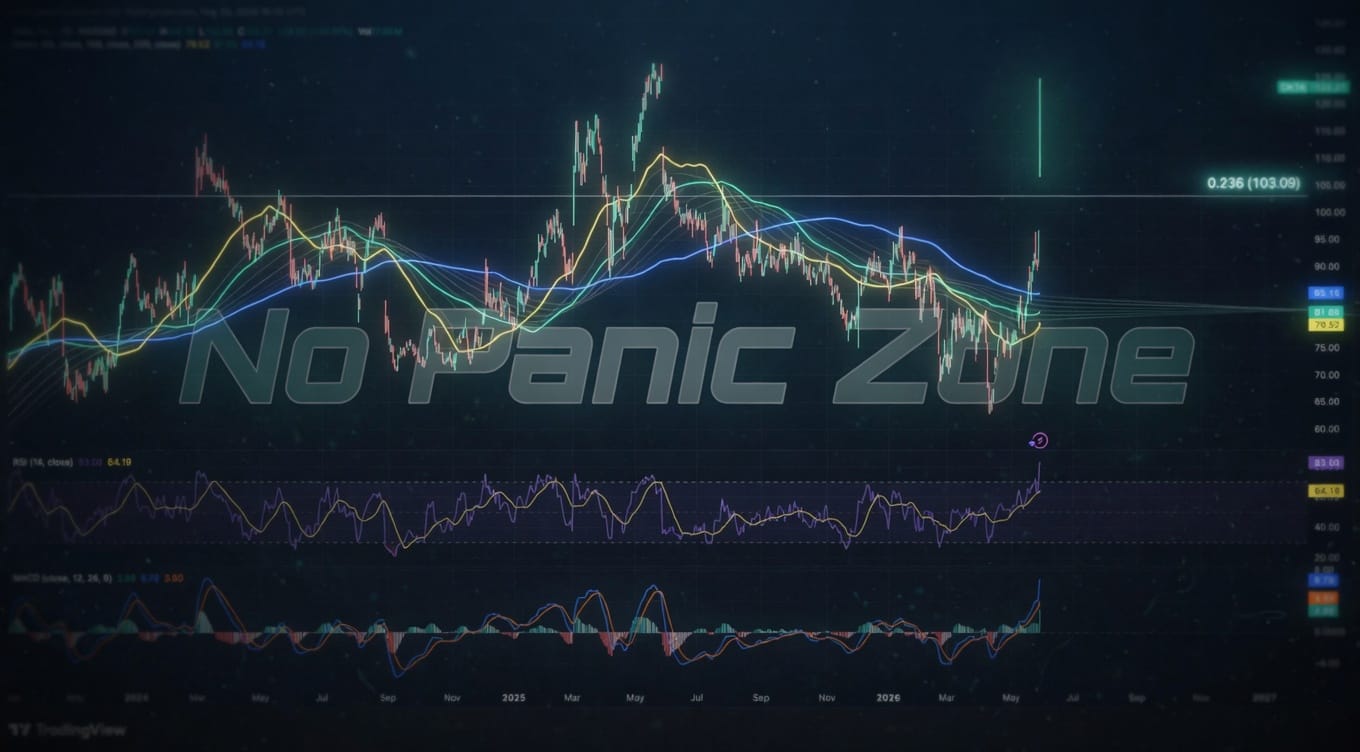
The technical setup doesn't care what analysts think. The chart doesn't pause mid-trend to check if Barclays raised their target. Support and resistance levels existed before analysts had Bloomberg terminals and they'll exist after the last analyst retires to write a memoir about all the calls they got right, excluding the others.
Nvidia will do what Nvidia does. Micron will follow semiconductors. Ferrari will sell cars to people who think depreciation happens to other brands. Rocket Lab will either go to space or it won't. DataDog will track something.
The biggest call is the one you didn't need an analyst to make.
Photo by on Unsplash


Leave a Comment