

Chip stocks went up and down and up again and ended higher. Retail traders checked oil prices seventeen times a day like it mattered. It didn't matter. The chart already knew where it was going.
Meta dragged a portfolio upward because that's what happens when you own things that go up. This counts as strategy in 2026. Buy the thing. Watch it rise. Claim genius. The opposite also happens but we don't talk about that until the suicide hotline gets pinned.
Oil kept Wall Street on edge. Oil keeps Wall Street on edge every week. Oil could cure cancer and Wall Street would still be on edge about it. Being on edge is not a market condition. It's a personality disorder with a Bloomberg terminal.
The AI trade marched higher but volatility tagged along because nothing says confidence like violent price swings in both directions. Some guy with twelve hundred dollars in Robinhood watched his semiconductor ETF jump six percent and drop four percent and jump five percent again and somehow concluded he understood momentum. He doesn't understand momentum. He understands refreshing his phone.
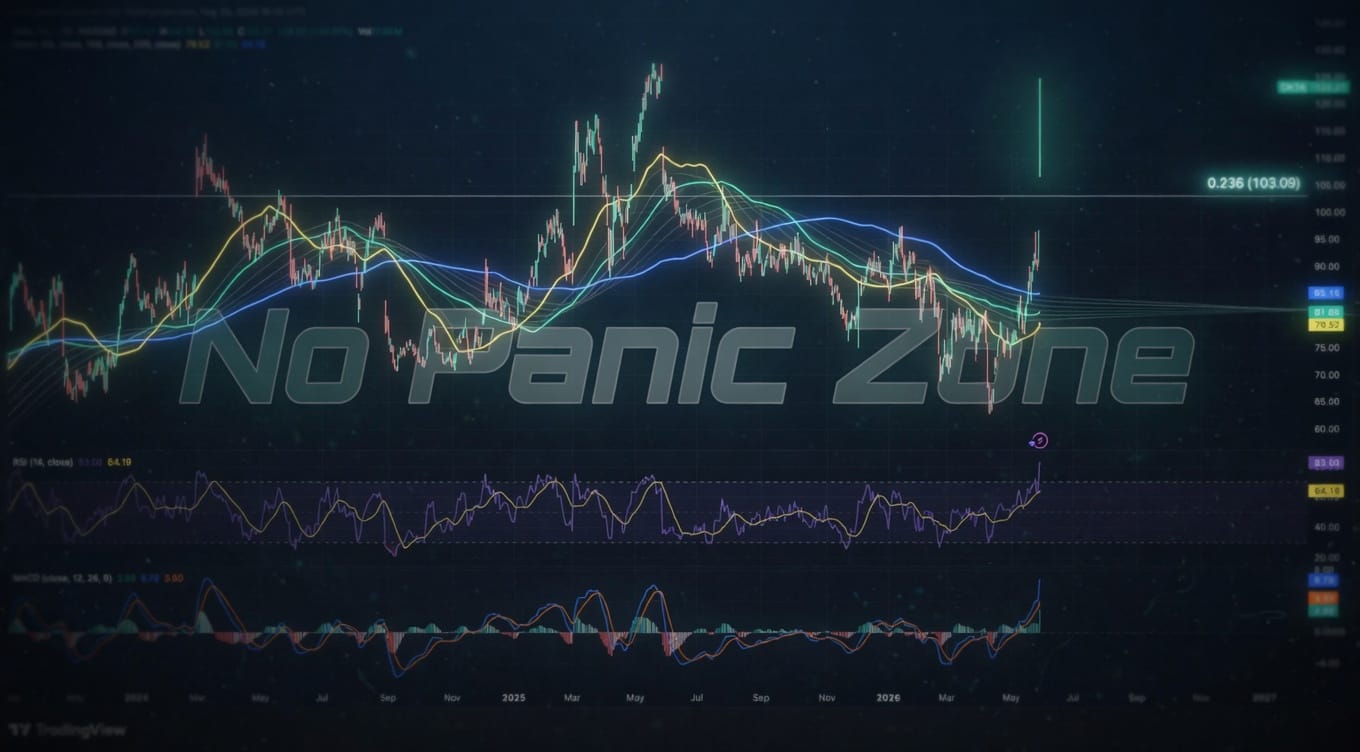
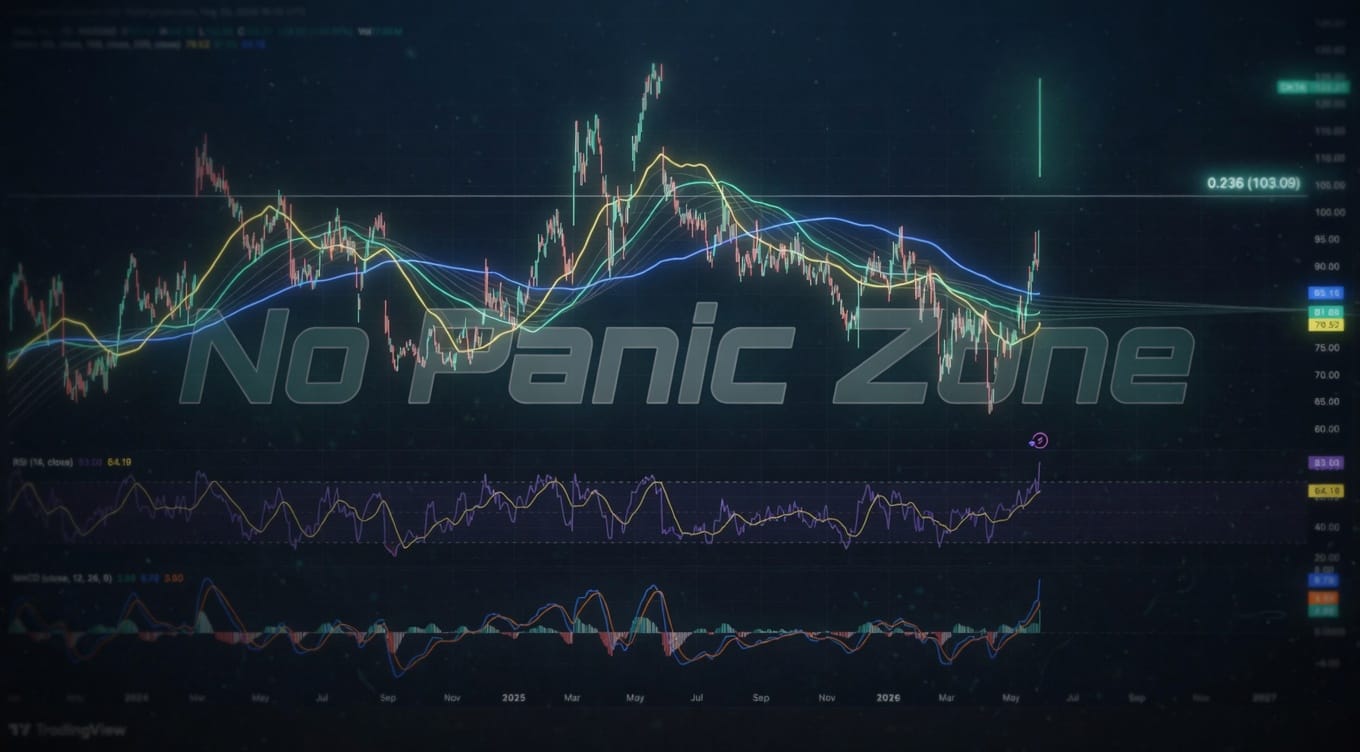
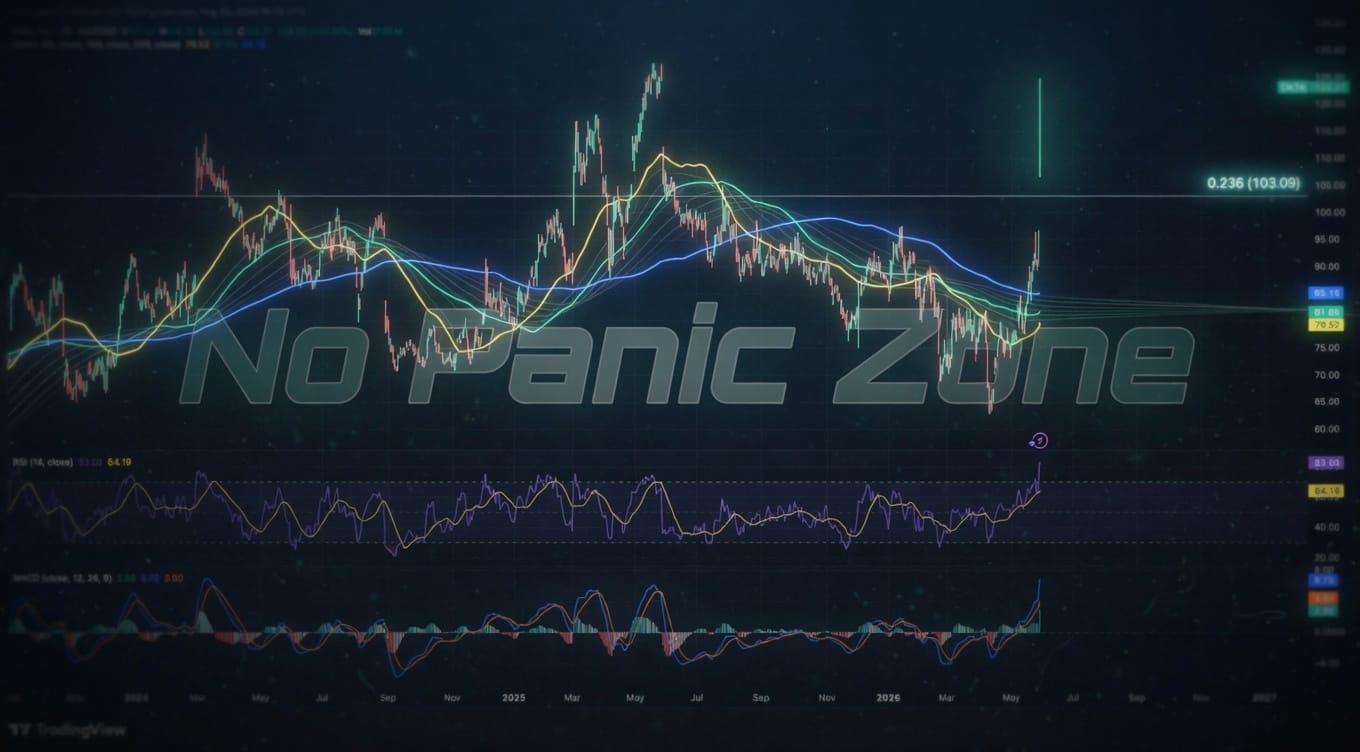
None of this required a headline. The chart showed a higher high and a higher low. That's the entire story. Everything else is just narrative wallpaper for people who can't read a f*cking trendline.
Oil concerns translated to exactly nothing because concerns never show up on a price chart. Concerns are what fundamental analysts call their feelings. Feelings don't have volume bars. The AI trade moved higher because buyers exceeded sellers at escalating prices. That's not a news event. That's just math with a semiconductor wrapper.
Retail will read this summary and think they learned something actionable. They'll check oil again tomorrow. They'll feel smart about Meta. They'll completely miss that the only thing that mattered was whether they were long before it went up, and they weren't.
Photo by Larry Nalzaro on Unsplash



Leave a Comment