

Neel Kashkari thinks rates might go up this year. He said this out loud. People wrote it down. Now you're reading about it.
The Minneapolis Fed President bases this prediction on inflation, which is apparently still a concern. The economy continues to feel the hit, according to Kashkari, who has access to the same lagging data you can pull up on your phone while sitting on the toilet. His edge is that he gets paid to have opinions about it. Your edge is that you don't have to testify before Congress when you're wrong.
Rate hike predictions are the financial media equivalent of weather forecasting, except meteorologists face consequences for being consistently incorrect. Fed officials simply adjust their dot plots and try again next quarter. The beauty of forecasting monetary policy is that by the time you're proven wrong, inflation has changed, employment data has shifted, and you can blame external factors. Accountability is for people who don't have Ph.D.s in Economics.
Retail traders will now spend the weekend reverse-engineering their entire portfolio strategy based on one guy's opinion about what might happen in the next seven months. They'll panic sell their growth stocks. They'll rotate into value. They'll buy gold. They'll read fourteen Twitter threads about inverted yield curves. Then in three months, Kashkari will say something different, and they'll do it all over again.
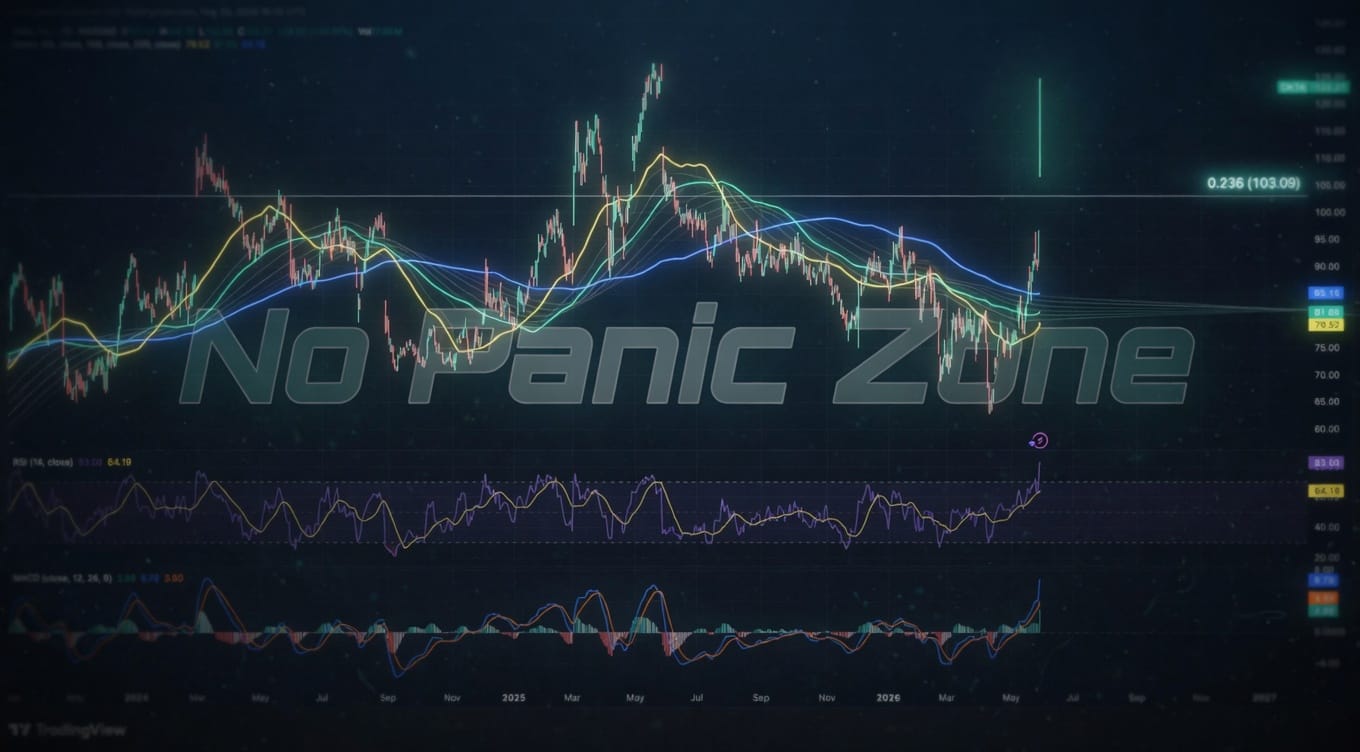
The technical chart doesn't care what Kashkari thinks. Price action doesn't pause to consider his testimony. Support and resistance levels weren't drawn by economists. They were drawn by order flow, and order flow is driven by people who are wrong in real-time with real money, not people who are wrong in theory with a government salary.
But sure, rebuild your entire trading thesis around a forecast that has the same statistical reliability as a coin flip wrapped in academic language.


Leave a Comment