

The Federal Reserve will not raise interest rates. Analysts reached this conclusion after observing weak jobs growth and lower oil prices. They announced their findings with the confidence of men who have never been right about anything.
Oil prices eased. Middle East tensions cooled. The Fed looked at these two variables and decided to pause. This is called monetary policy. Thousands of people have PhDs in this.
Retail traders spent the morning trying to figure out what a Fed pause means for their seventeen-share position in a semiconductor ETF they bought because a guy on Twitter said chips were the future. The future arrived. They lost money anyway. The Fed paused to consider their suffering and decided it was funny.
Jobs growth weakened. This means fewer people got hired. The Fed interpreted this as a reason not to make borrowing more expensive. The logic works if you squint and have spent your entire career in a building with no windows. Jerome Powell squinted. He has spent his entire career in a building with no windows.
Analysts say the Fed is unlikely to raise rates for now. For now means until the next data point scares them or until oil does literally anything else. The Fed will then reverse course and analysts will explain why they saw it coming. They will use the same confident tone they used today. Nobody will remember today.
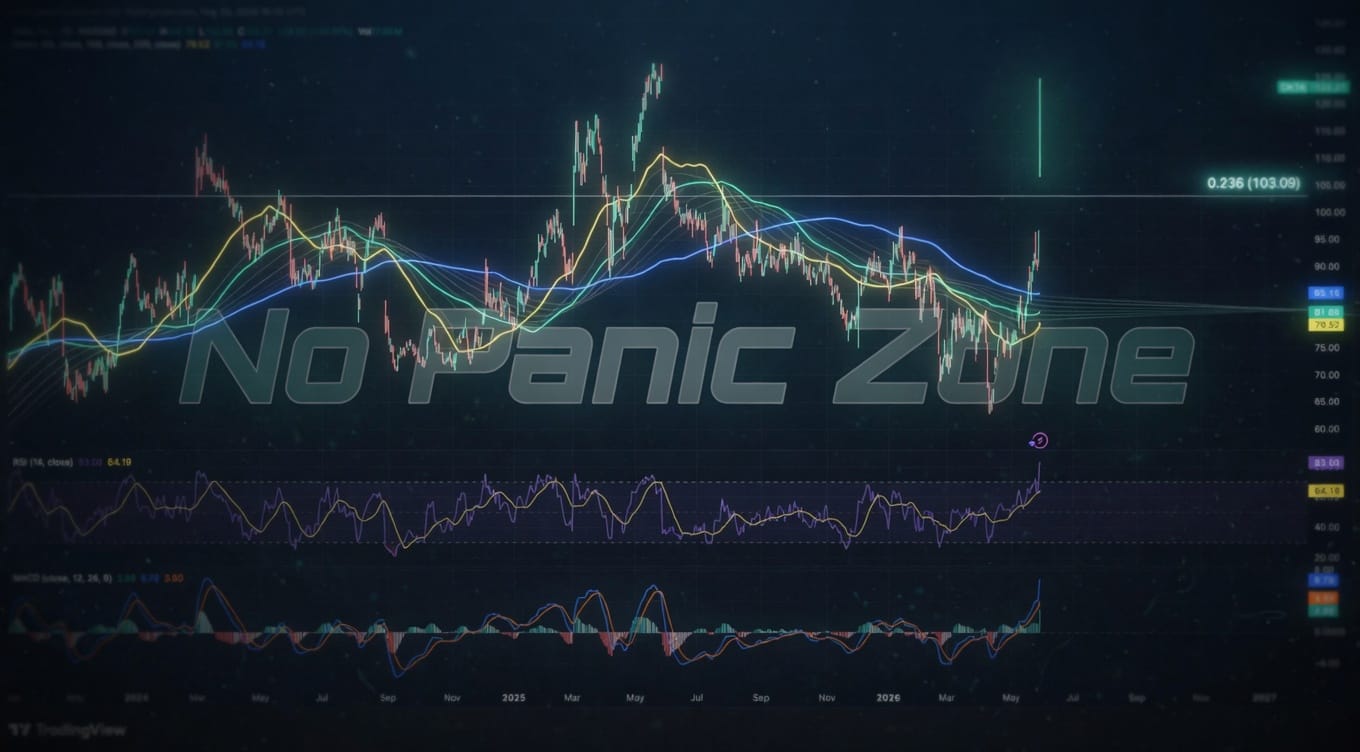
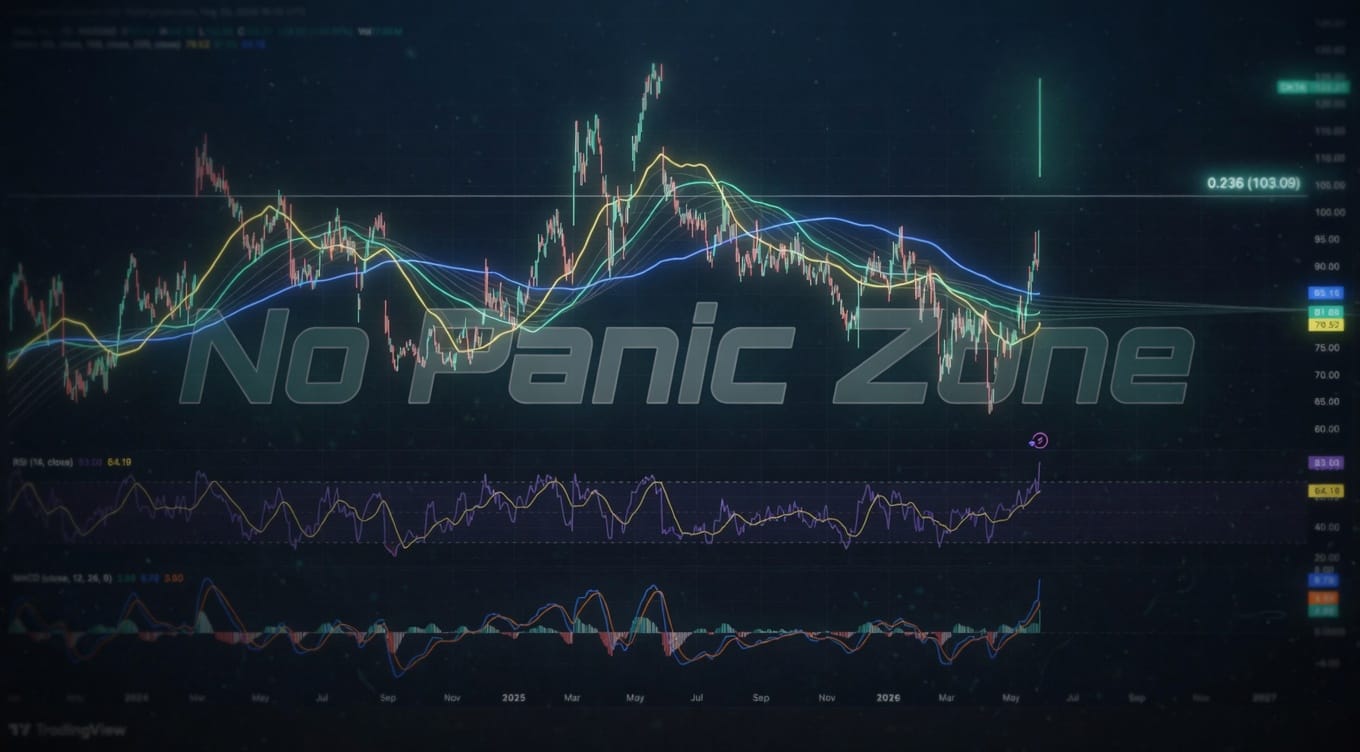
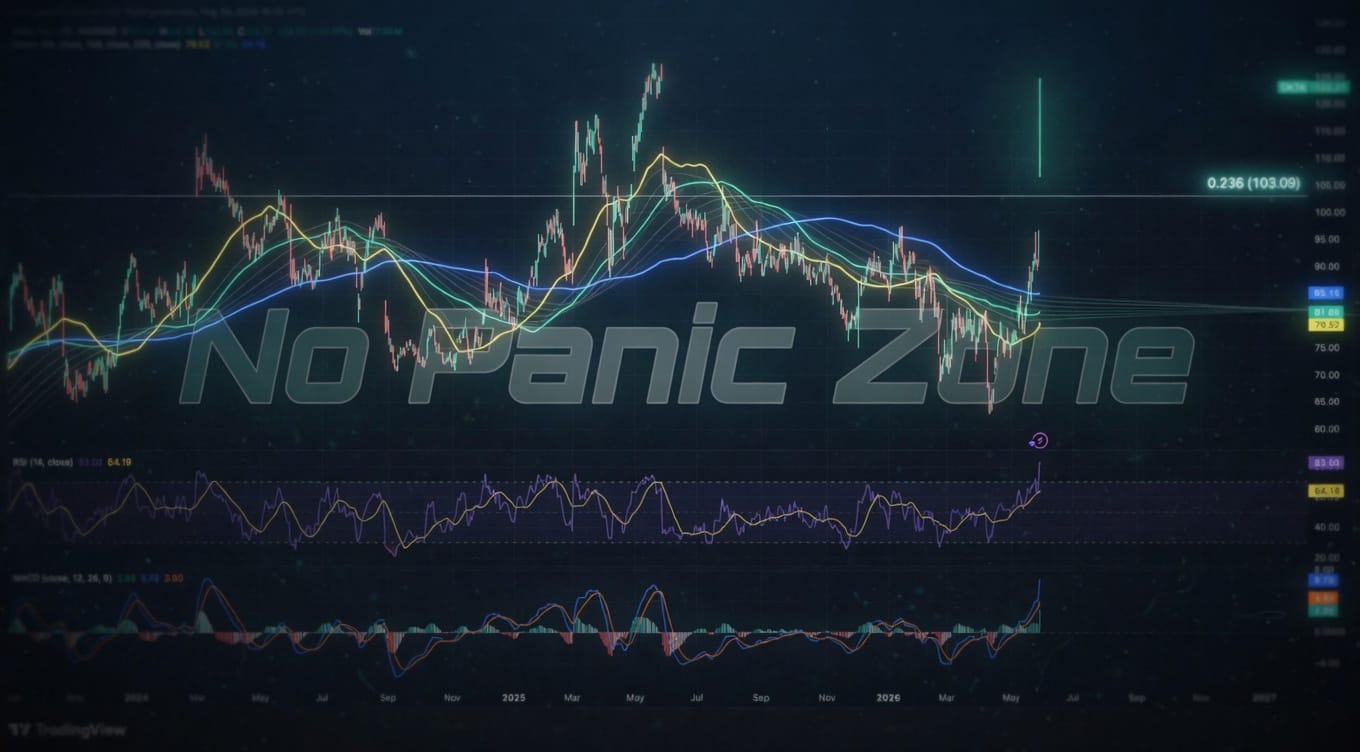
The market rallied on the news. Then it didn't. Then it did again. Technical analysts checked their charts and confirmed the price went up, then down, then up. They billed $400 an hour for this observation.
The Fed paused because two things happened that have nothing to do with each other but fit nicely in a headline. This is called data-driven policy. The data will change next week and so will the policy, but the analysts will still get paid.
Photo by Joachim Schnürle on Unsplash


Leave a Comment