

Core inflation came in at 3.4% in May. Analysts expected 4.1%. The Fed's preferred gauge missed expectations by seventy basis points and financial media treated it like the Zapruder film.
Here's what happened next: absolutely nothing you couldn't have predicted six months ago by drawing a line on a chart with a crayon.
Retail traders saw the headline and immediately checked their phones to see if Jerome Powell had personally texted them an apology. He had not. They then opened their brokerage apps to discover their portfolios had moved in a direction. That direction was determined by algorithms that began executing trades four microseconds after the data release, which means the average human reading this headline participated in exactly none of the actual price discovery.
The number is also the highest since October 2023. That was seven months ago. Calling something the highest in seven months is like calling yourself the tallest person in a room with only one other person in it. Congratulations on your achievement.
But let's focus on what matters here. The Fed has a preferred gauge. They prefer it the way a drunk prefers whichever bar is still open. PCE shows what they want it to show until it doesn't, at which point they'll pivot to core PCE, or super-core, or some other metric they just remembered exists.
Meanwhile, some guy named Trevor just bought calls because the number was lower than expected and puts because the number was higher than October and now he's hedged, which is another word for "confused with extra steps."
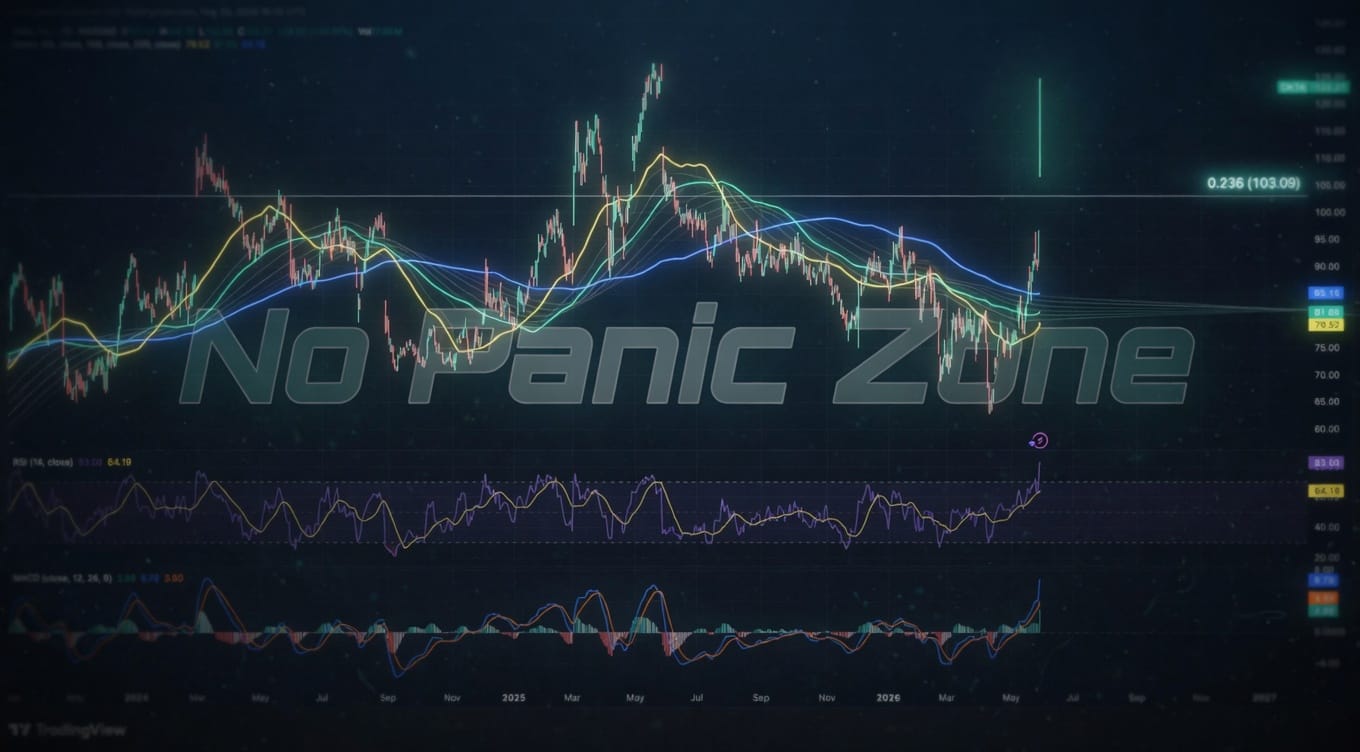
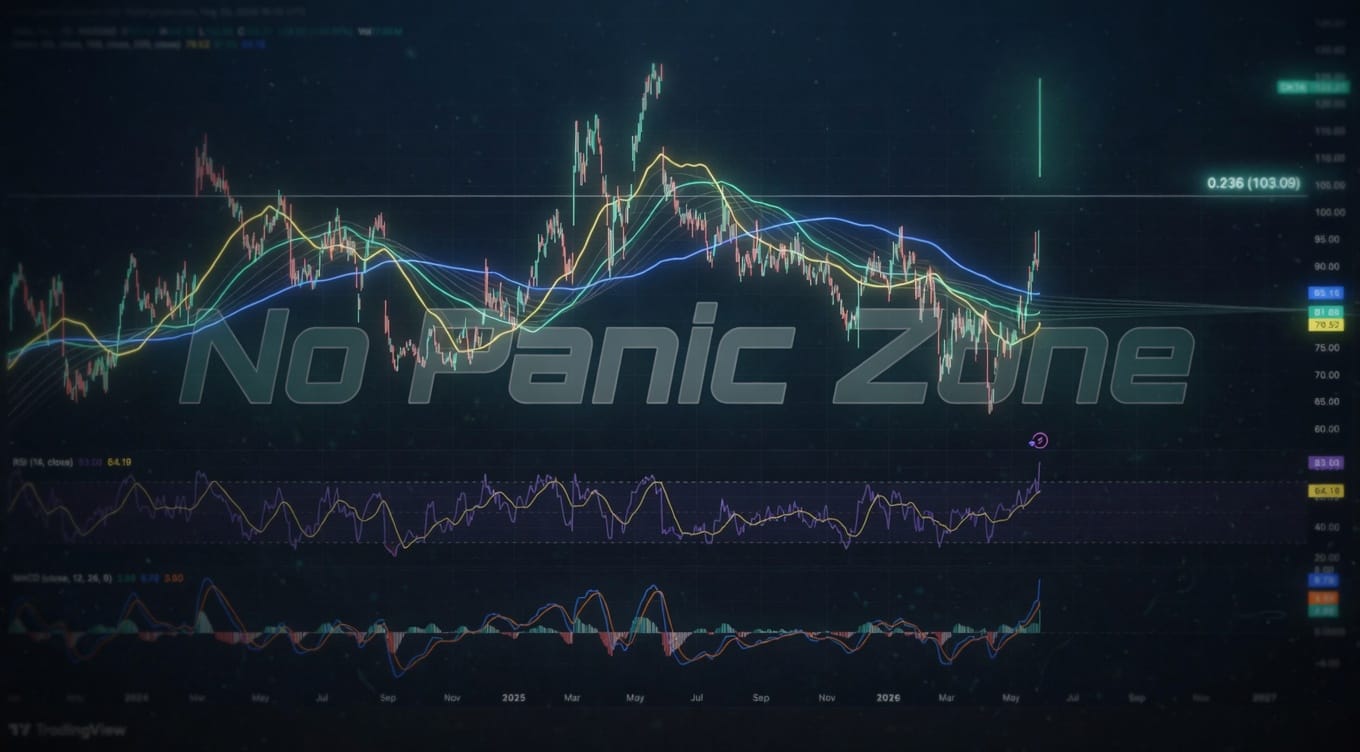
None of this matters. The chart already knew inflation was going to do this. It was drawn into the price three weeks ago by someone who doesn't read headlines because they're too busy making money while you're still Googling what PCE stands for.
Photo by on Unsplash


Leave a Comment