

The International Energy Agency announced Friday that global oil demand will decline for the first time since 2020. The year we all stayed home and watched the price of crude go negative while day traders discovered options for the first time. That first time.
The IEA spent months analyzing supply chains and consumption patterns and economic indicators to conclude that people might use less oil this year. They published charts. They ran models. They issued a formal report with their logo on it. Then they warned that tensions between the U.S. and Iran could complicate things further.
Right. Because what this forecast really needed was a geopolitical disclaimer. The kind of hedge that lets you be wrong in both directions. Demand drops and you called it. Demand spikes because of a war and you called that too. It's the analytical equivalent of betting red and black at the same time and telling everyone you're a gambler.
Retail traders read this headline and immediately started googling "inverse oil ETFs." They found sixteen of them. They bought the one with the highest daily volume because that's how you pick investments when you think the news matters. They'll check the price Monday morning and wonder why it moved the opposite direction. Then they'll blame algorithms.
The report did not mention that oil demand forecasts have the predictive accuracy of a drunk guy throwing darts at a calendar. It did not mention that the IEA has revised its demand estimates in nine of the last six quarters. It definitely did not mention that by the time you read a forecast about oil demand, seventeen other things have already changed the actual demand for oil.
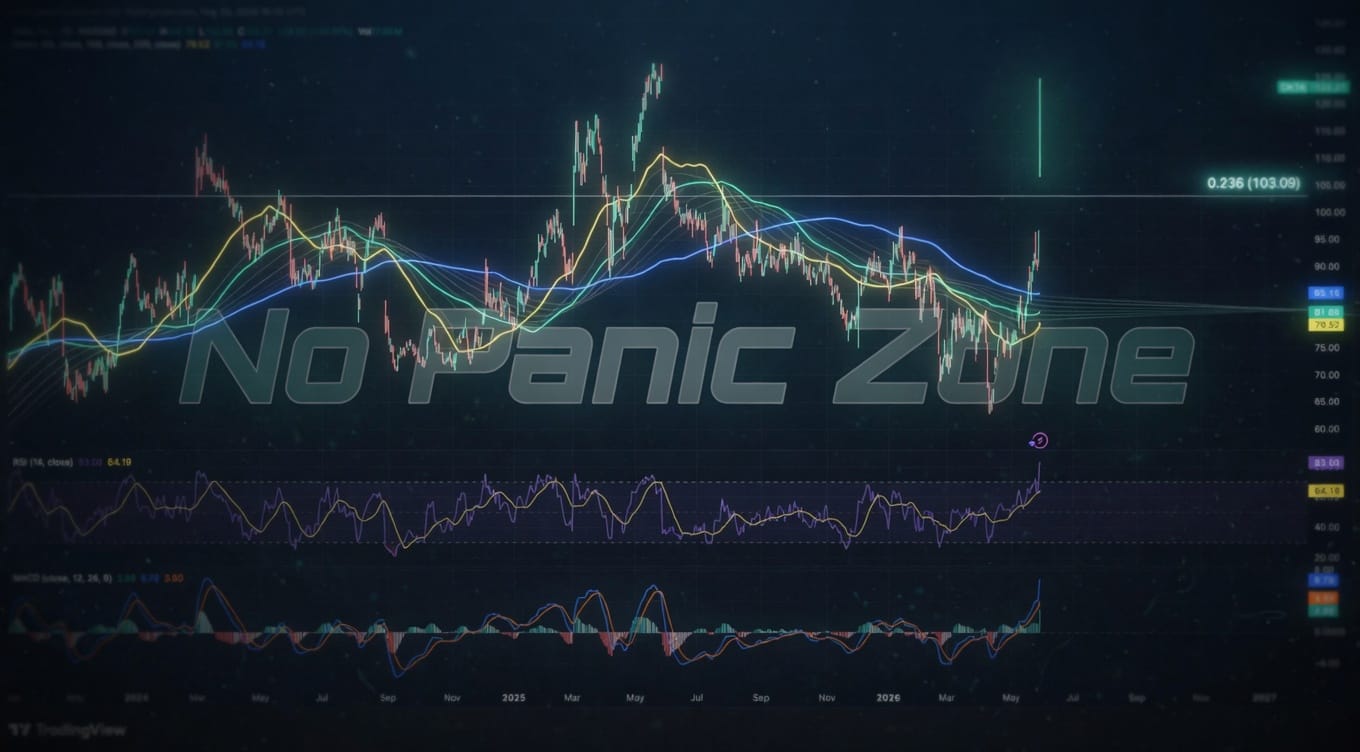
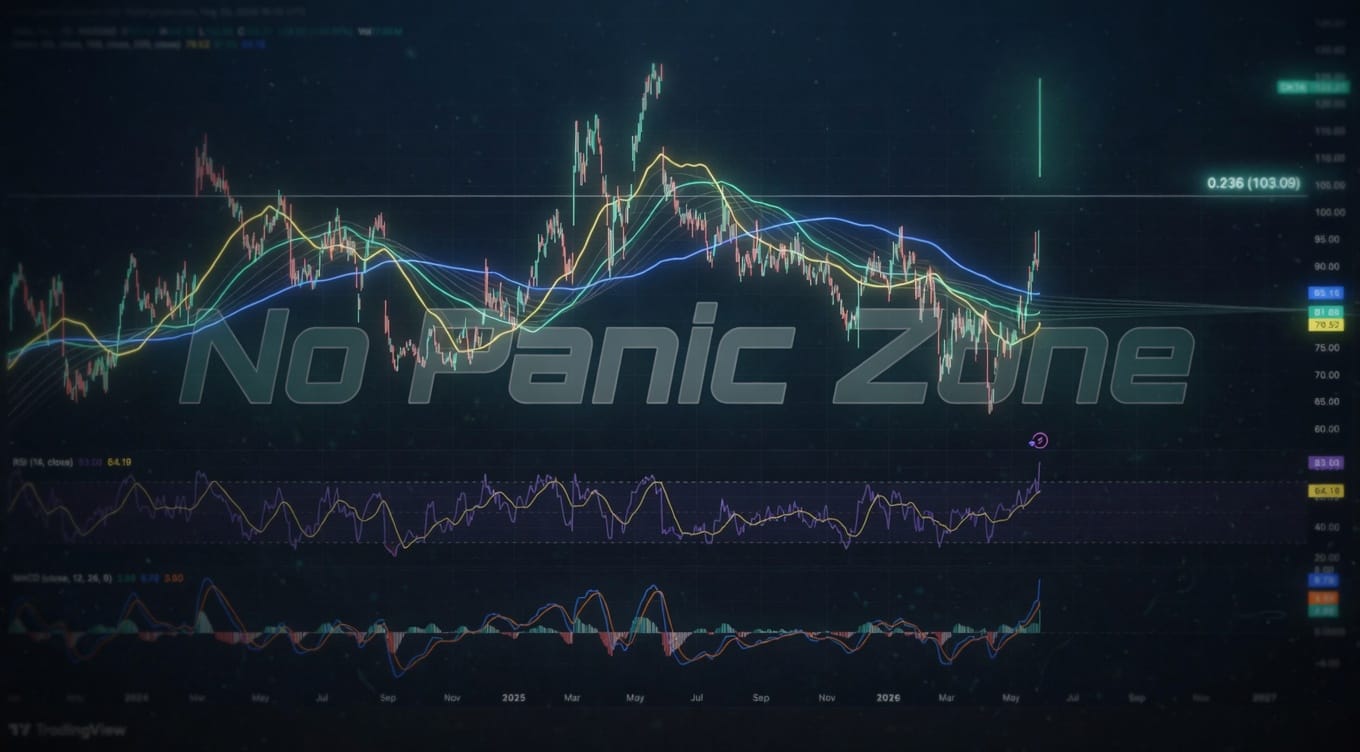
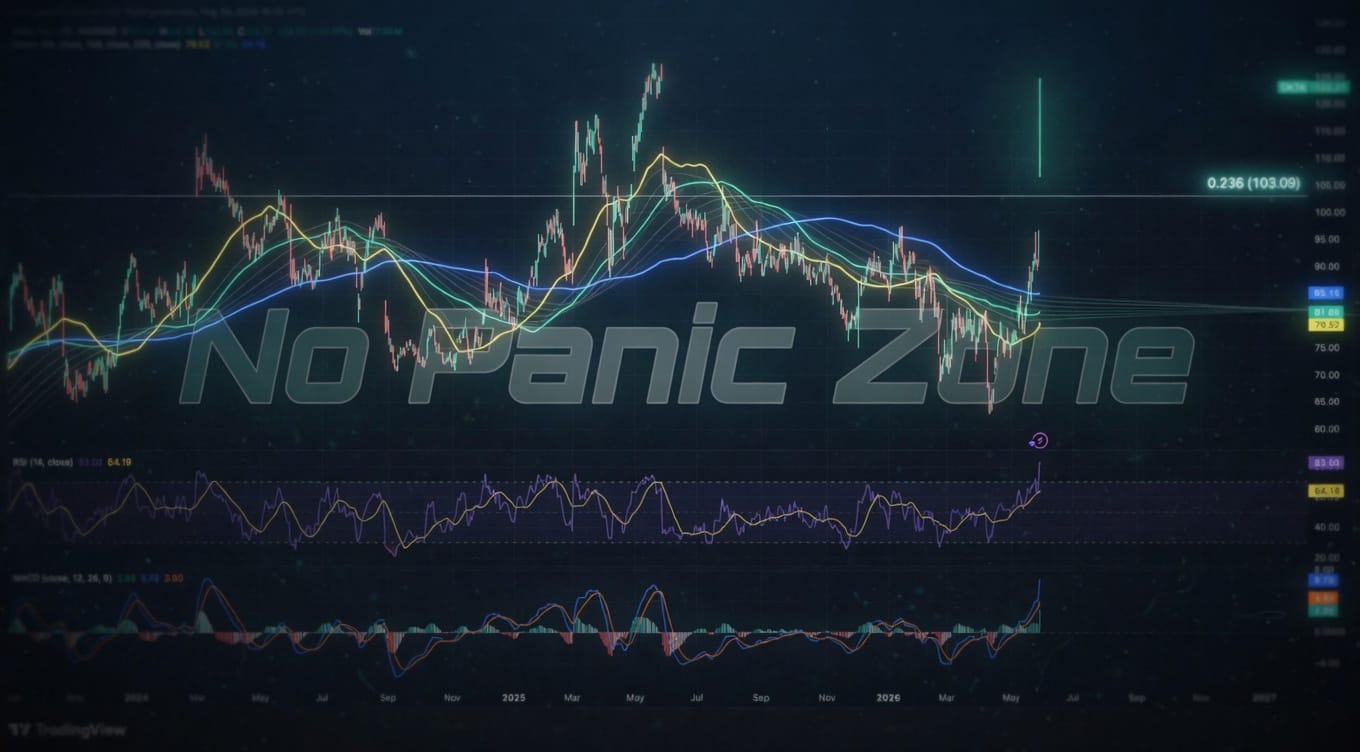
But sure. First decline since 2020. Write that down. Put it in your trading journal right next to your technical levels and your moving averages and yourother shit that doesn't work.
Photo by on Unsplash




Leave a Comment