
Iran sold 40 million barrels of oil at a 20% premium because the U.S. blockade ended and the Strait of Hormuz reopened. The ceasefire allowed crude shipments to resume through a waterway that had been functionally closed during the conflict. This is what happens when supply gets choked off and then suddenly isn't.
The premium exists because Iran can now move oil again. Not because of OPEC meetings. Not because of technical indicators. Not because some guy on Twitter posted a cup-and-handle pattern on crude futures. The boats can go through the strait without getting blown up. Price goes up when you can sell the thing you're sitting on.
Retail traders spent the conflict drawing trendlines on WTI charts and talking about resistance levels while Iran just waited for the shooting to stop. They burned account balance on options spreads predicting oil moves based on the 50-day moving average. Iran loaded tankers and waited for the waterway to clear. One of these strategies involved understanding that boats need open water.
The 20% premium is not a signal. It's not a pattern. It's what buyers pay when 40 million barrels show up after months of nothing coming through the most important oil chokepoint on earth. The Strait of Hormuz moves about 21 million barrels per day in normal times. It moved almost none during the conflict. Now it moves again and Iran charges more because they can.
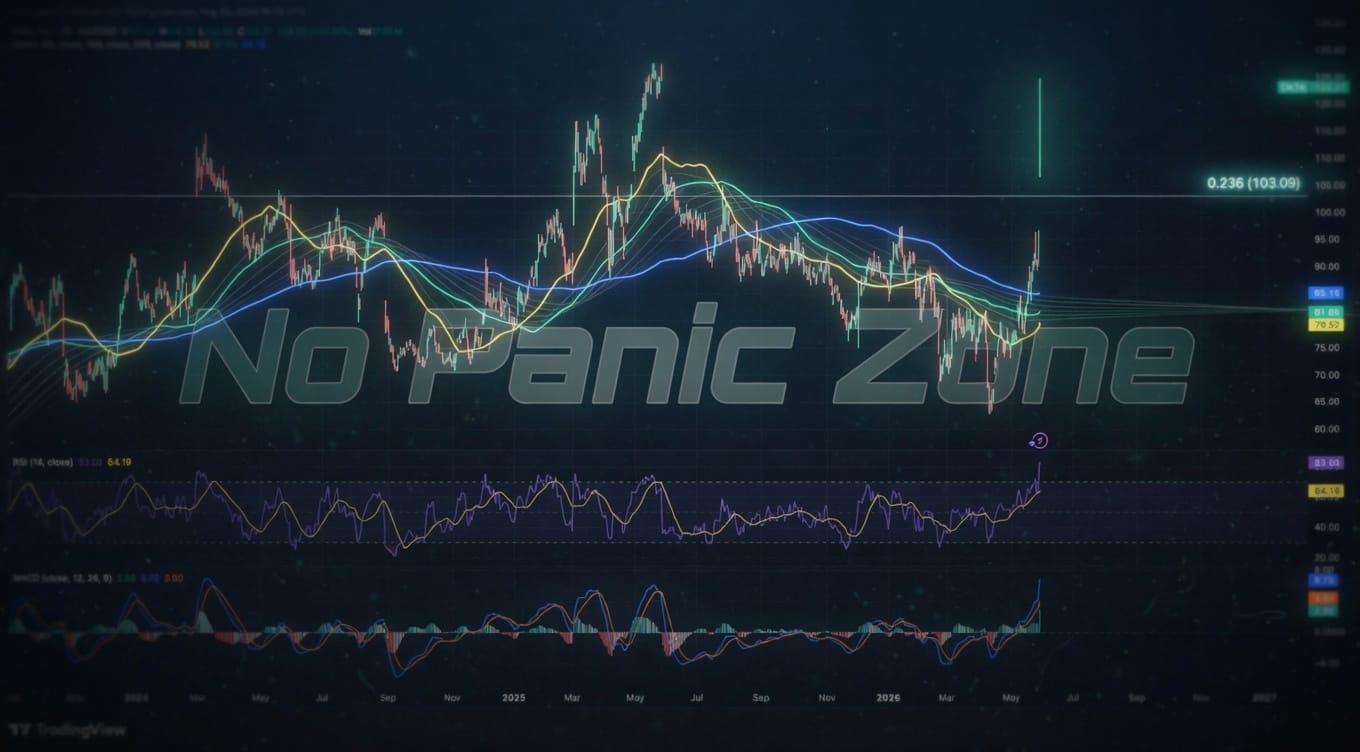
Every technical analyst who spent the blockade calculating Fibonacci retracements on energy stocks should print out their charts and mail them to the Iranian oil ministry with a thank-you note for the reminder that geopolitics beats your f*cking wedge pattern every single time.
Photo by on Unsplash

Leave a Comment