

Jim Cramer watched Samsung report earnings and decided this meant AI leadership was shifting. Not over a quarter. Not over a year. Over the time it takes most people to digest lunch.
Samsung's numbers came out. AI hardware stocks sold off. Some lagging tech names bounced. Cramer saw a pattern. The pattern was one trading session. He called it a shift in leadership. Leadership used to mean something you earned over months or years through consistent execution and market share gains. Now it means Nvidia went down and Oracle went up on a Thursday.
Retail traders heard "shift in AI leadership" and started rotating their portfolios like they were rebalancing a 401k. They sold the chips. They bought the laggers. They did this because a man on television said Samsung's earnings—Samsung, a company that makes refrigerators and phones and also some chips—signaled something about the future of artificial intelligence.
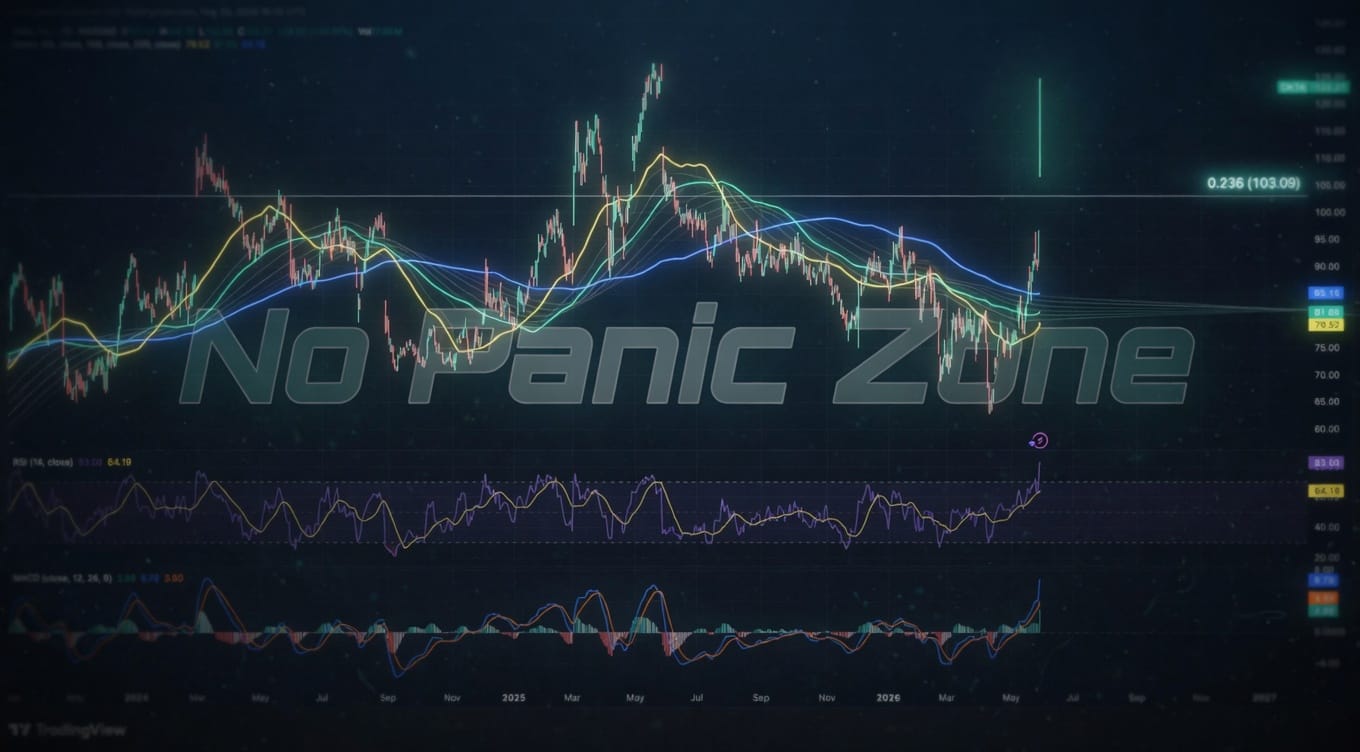
The technical analysis here is simple. Draw a line from the opening bell to the closing bell. If it points down, that's a sell-off. If it points up on a different stock, that's a rebound. Connect those two lines in your mind and you've got yourself a narrative. Add the word "shift" and you've got a segment.
Here's what actually happened. Some stocks went down. Other stocks went up. This occurs every single day the market is open. Sometimes it happens because of earnings. Sometimes it happens because a pension fund rebalanced. Sometimes it happens because algorithms detected momentum and piled in. The reason doesn't matter because you're not fast enough to trade it anyway.
Cramer's out here calling audibles based on one day of correlation while his viewers are still trying to figure out how to pronounce "Nvidia."
Photo by Jonathan Kemper on Unsplash



Leave a Comment