
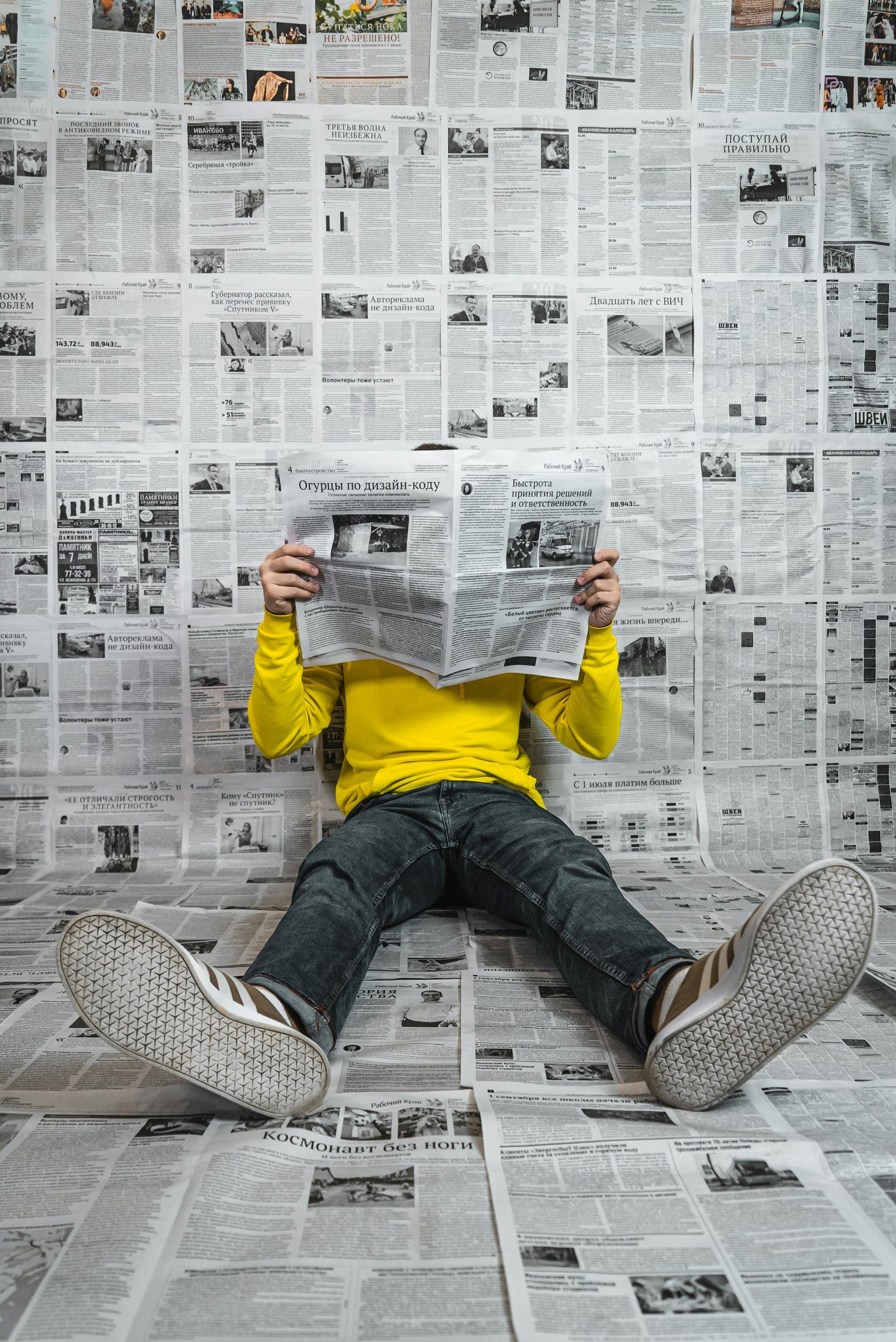
South Korea has found a sustainable economic engine. Boy bands. The central bank can relax. Fiscal policy takes a back seat. Seven guys with choreography will carry GDP growth for the next decade.
BTS fans spend money on concerts. They buy plane tickets. They sleep in hotels. They eat food. Economists call this "tourism." The rest of us call it "flying across an ocean to watch strangers dance."
Here's what's beautiful about this model. Traditional economic stimulus requires infrastructure spending, tax policy, maybe some quantitative easing. Takes years. Costs billions. South Korea skipped all that. They trained some singers. Now teenagers from Ohio liquidate their Robinhood accounts to visit Seoul.
The multiplier effect works like this: Girl in Kansas City buys a BTS album. Streams their music eight thousand times. Maxes out her credit card on merch. Eventually saves enough for a trip. Books a flight. Rents a room. Eats Korean food she can't pronounce. Takes photos at every location mentioned in a music video from 2019. Returns home broke but fulfilled. Her mom calls the bank to dispute charges. The bank says no. South Korea's GDP ticks up another point.
Financial analysts will tell you this is unsustainable. They'll mention demographic challenges and export dependencies and semiconductor cycles. They're missing the point. None of that matters when you've weaponized parasocial relationships at scale.
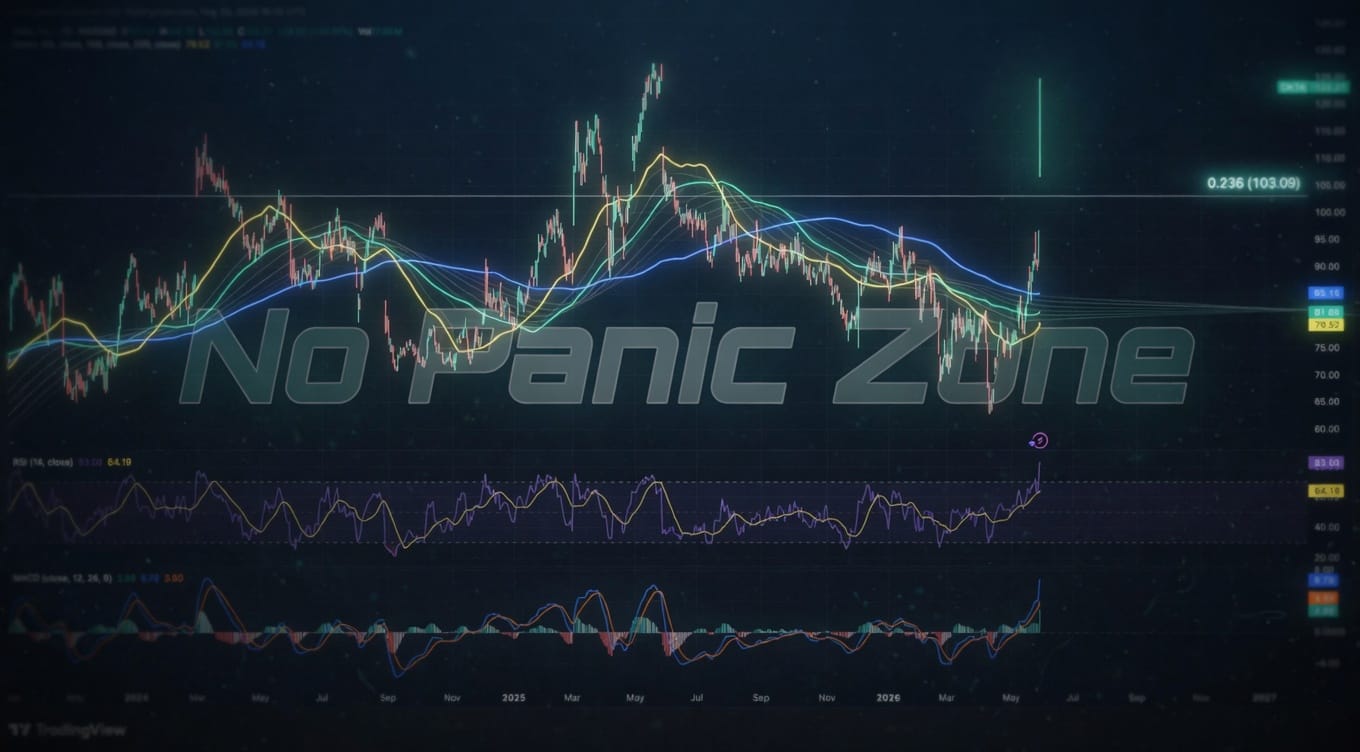
Some portfolio manager in Connecticut is shorting Korean equities right now because the technicals look weak. He's running Monte Carlo simulations. Stress testing correlations. Building hedges. Across the world, a sixteen-year-old just bought her third piece of BTS luggage. Guess which one of them is moving markets.
The real innovation here is that South Korea doesn't even need the band to release new music. Fans will spend money on the back catalog forever. Disney wishes they had this model. At least Mickey Mouse doesn't have to worry about military service.
Photo by on Unsplash




Leave a Comment