

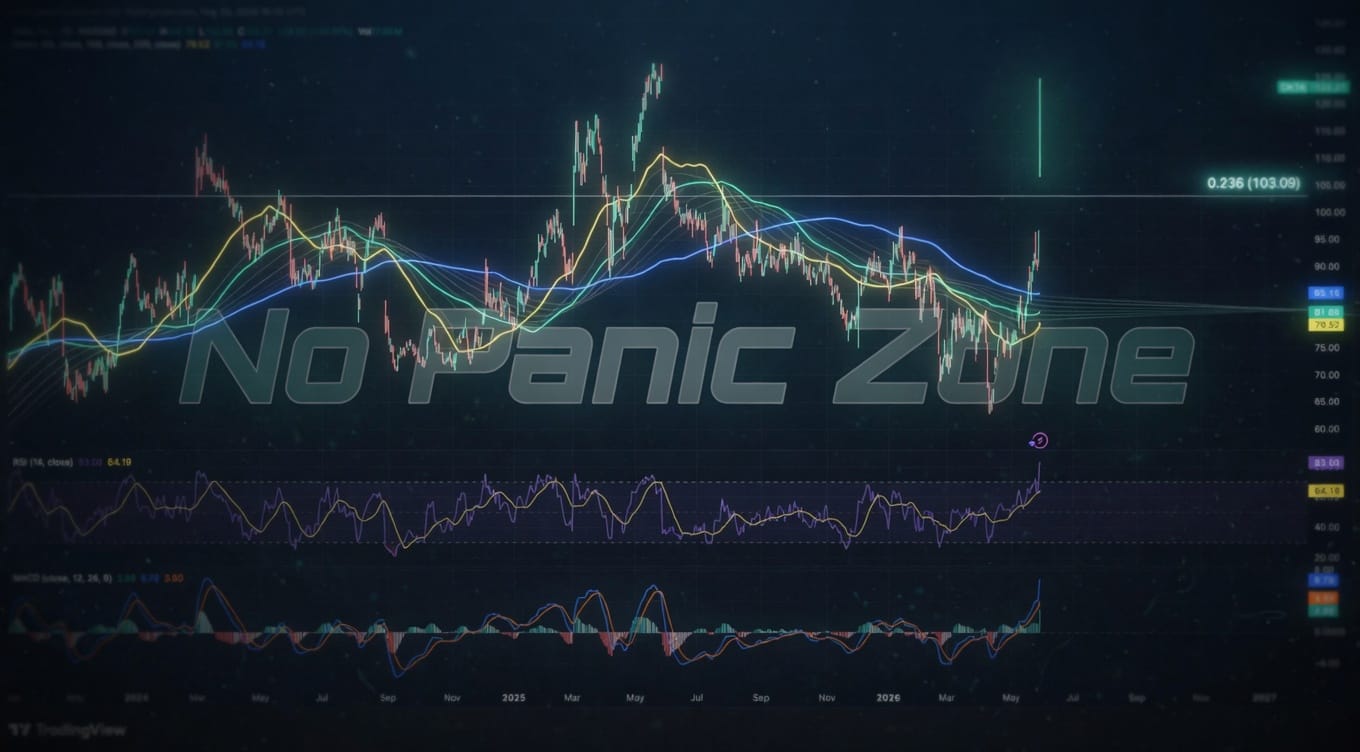
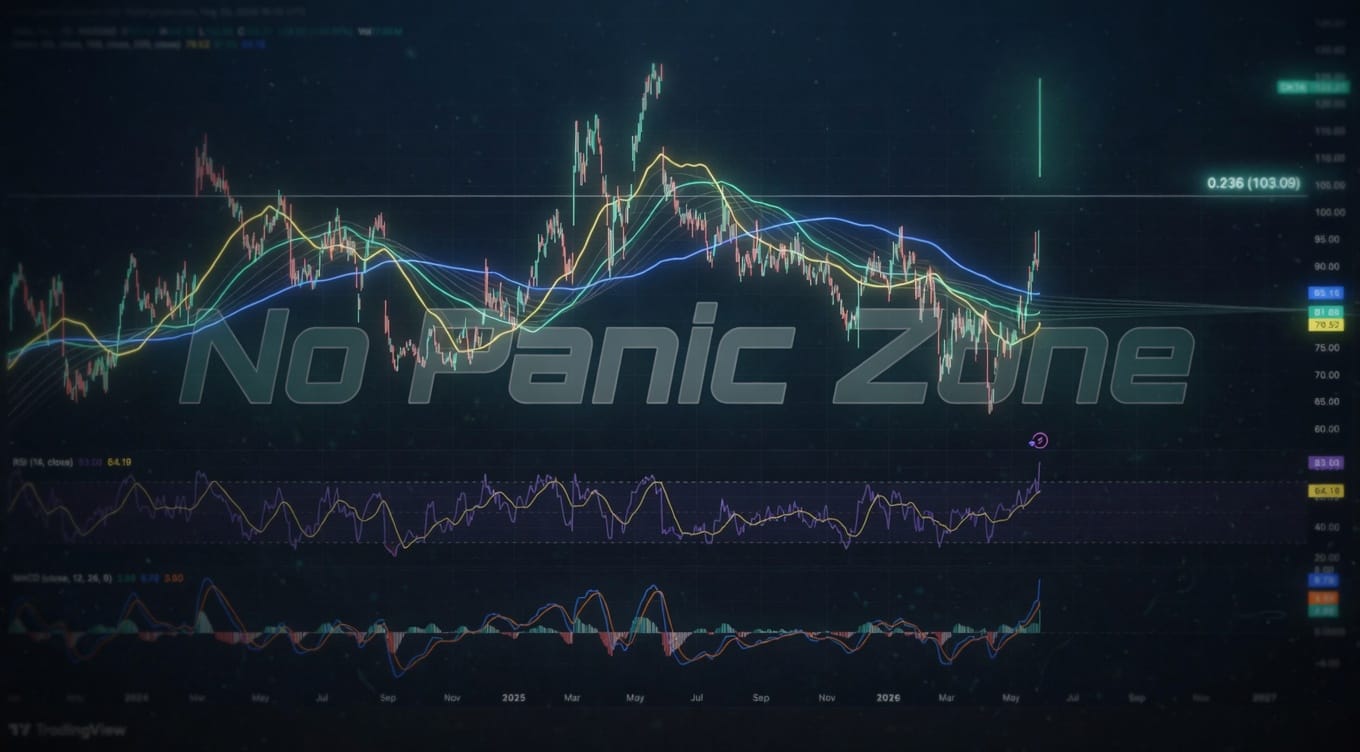
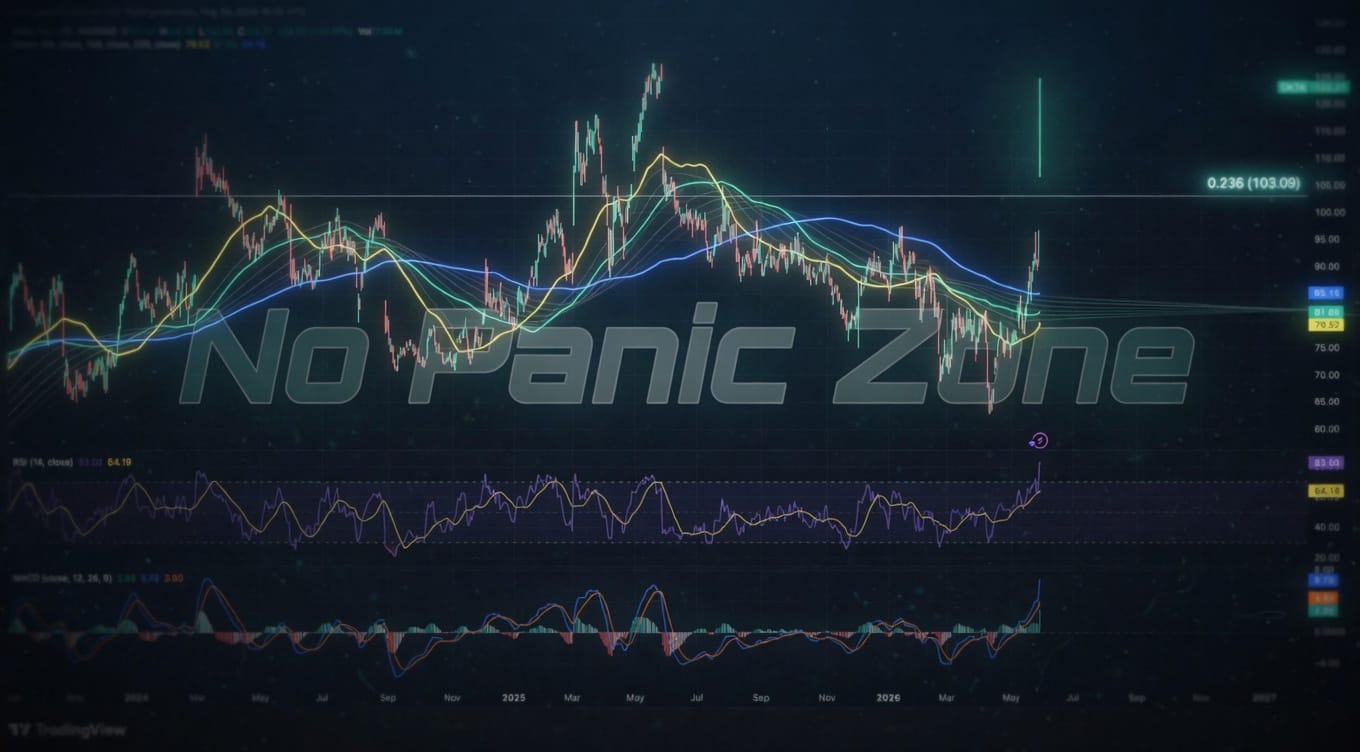
Nvidia's stock is down. Kalshi traders—people who bet on events using a platform most Americans still think is a typo—now predict the company's chip prices will fall. This is price discovery. Congratulations to everyone involved for reinventing the concept of a forward curve but with worse liquidity.
The premise here is that retail traders on a prediction market know something the actual chip buyers don't. The same people who thought GameStop was undervalued at $400 are now handicapping semiconductor ASPs. Makes perfect sense. Why consult supply chain analysts when you can ask a guy named Kyle who read three headlines and has $200 in his Kalshi account?
Nvidia sells chips that cost more than a used Honda Civic. Demand has been infinite because every company on Earth decided it needs to build an AI chatbot that still can't spell restaurant correctly. But sure, chip prices are coming down. Probably because Kalshi user BoomerSlayer69 put his lunch money on it.
The stock struggles. Traders make predictions. None of this changes the fact that Nvidia either will or will not charge less for chips, and a bunch of people betting on the outcome has the same predictive power as a Magic 8-Ball dunked in Red Bull.
Here's what actually happens. Nvidia sets prices based on supply, demand, and whatever Jensen Huang feels like charging while wearing a leather jacket. Kalshi traders set prices based on vibes and whatever they half-remember from a CNBC segment they watched while scrolling TikTok. One of these groups builds GPUs. The other can't build a diversified portfolio.
Prediction markets work until they don't. Then everyone acts surprised that betting on chip prices isn't the same as understanding chip prices. Turns out wagering is not due diligence, but nobody tell Kalshi that or they'll have to shut down the whole site.
Photo by Mariia Shalabaieva on Unsplash


Leave a Comment