
Traders on Kalshi bet the Nasdaq-100 ends 2026 above 30,000. They expect a cooler second half. Translation: the index rallied hard after some geopolitical mess and now these geniuses think it'll just sit there. Revolutionary.
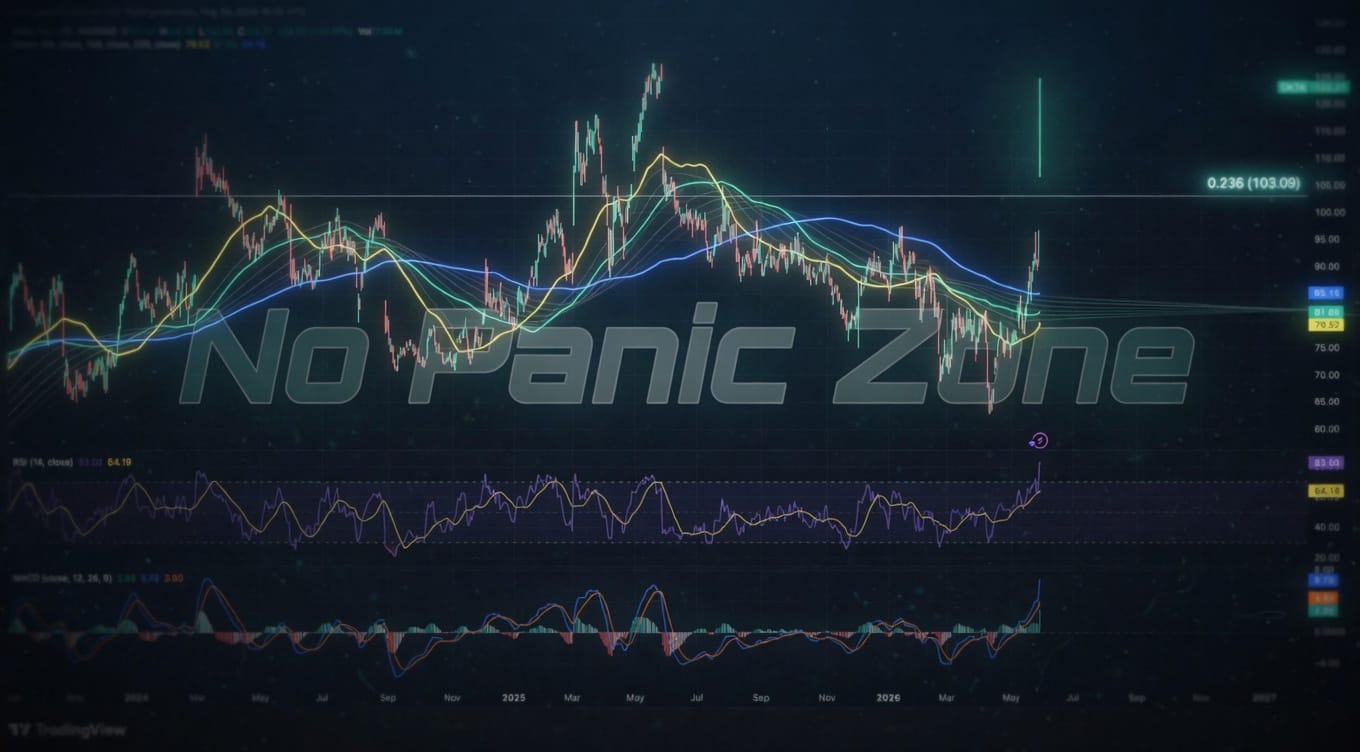
The Nasdaq hit lows during a U.S.-Iran war. Then it bounced. Now speculators think the bounce is done bouncing. This is technical analysis at its finest: something went down, then up, so obviously it goes sideways next. The three-move theory beloved by everyone who's ever looked at a chart for eight seconds.
Kalshi exists so people can bet on anything. Will it rain? Will the Fed blink? Will the Nasdaq close above an arbitrary round number that means nothing? The answer is always maybe, but you can lose money finding out. It's like a casino except the odds are somehow worse and you have to pretend you're hedging.
These traders think 30,000 is the number. Not 29,850. Not 30,200. Exactly 30,000, as if markets respect human psychology's fondness for zeroes. They don't. But retail needs a target, so they pick one that sounds official. Round numbers feel safe. They aren't.
The second half will be cooler. Cooler than what? Cooler than a rally that followed a war? That's the bar? Congratulations on predicting that the market won't gain 40% in six months during peacetime. Someone get these people a plaque.
The Nasdaq-100 closed July 7, 2026 somewhere. It'll close December 31 somewhere else. Kalshi traders think they know which side of 30,000 that somewhere is. They're risking real money on a hunch dressed up as conviction. The house always wins, and in this case the house is math, time decay, and the fact that nobody knows anything.
Speculators bought the dip, rode it up, and now they're calling the top by predicting it won't be a top. Flawless.
Photo by on Unsplash



Leave a Comment