

Mortgage rates are high. Home prices hit record levels. Existing home sales dropped. Builder sentiment tanked. Journalists wrote headlines explaining why people without money can't buy expensive things.
Groundbreaking stuff.
The housing market is "hurting" this summer, which is a polite way of saying nobody can afford a $450,000 starter home at 7% interest. Consumers are stressed. Probably because their monthly payment on a three-bedroom ranch now exceeds what their parents paid for the entire house in 1987.
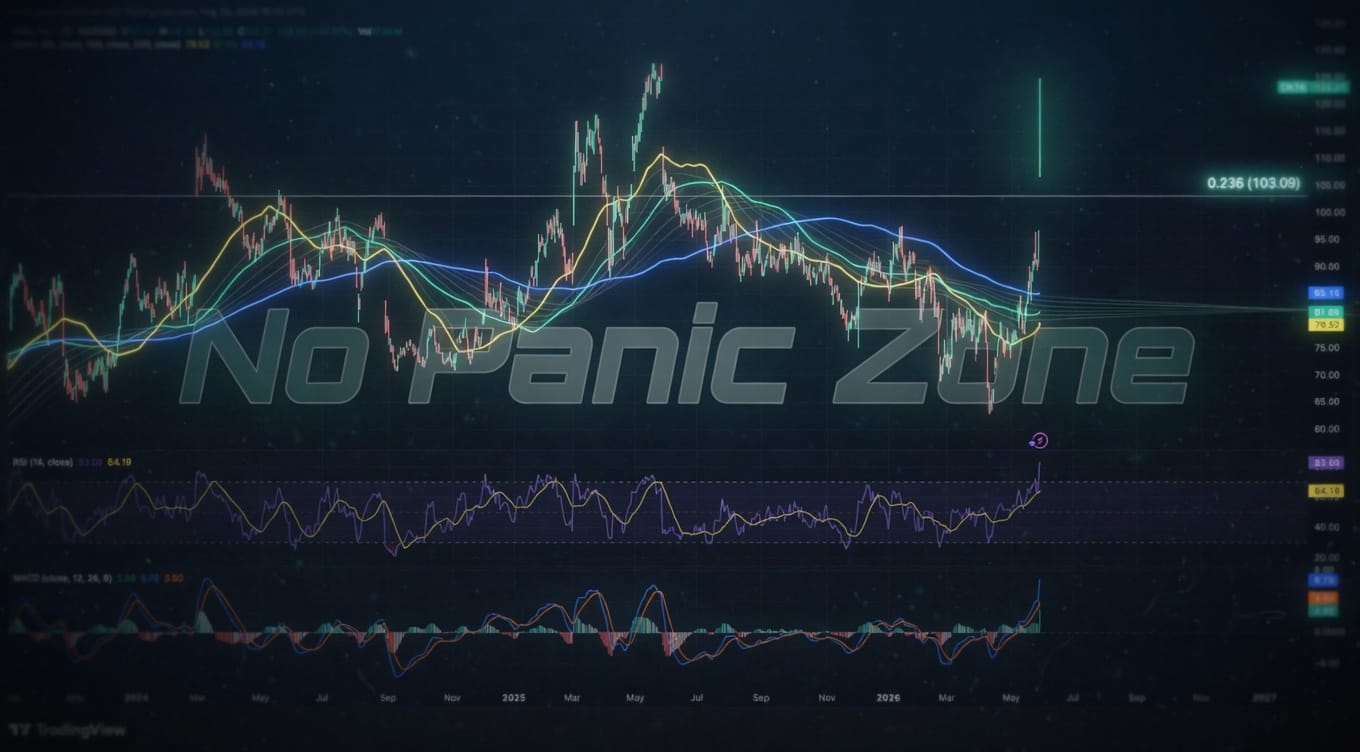
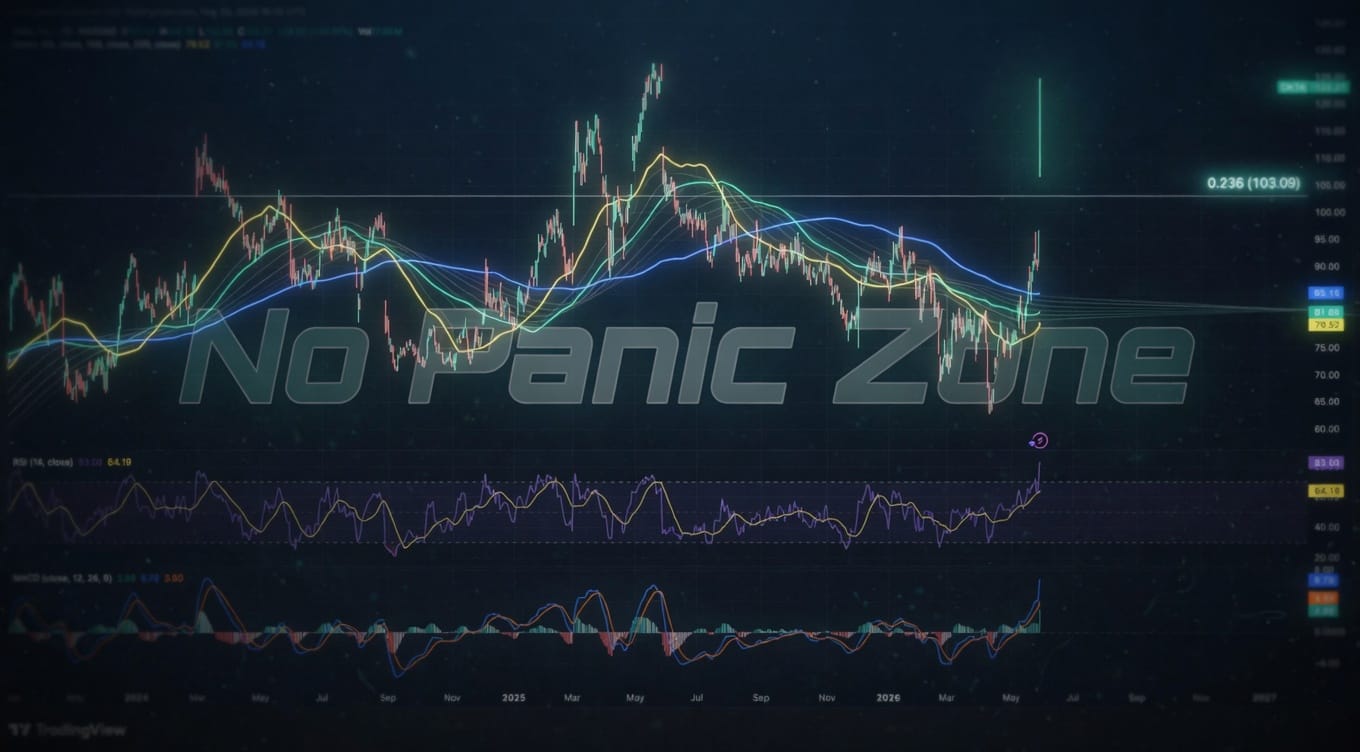
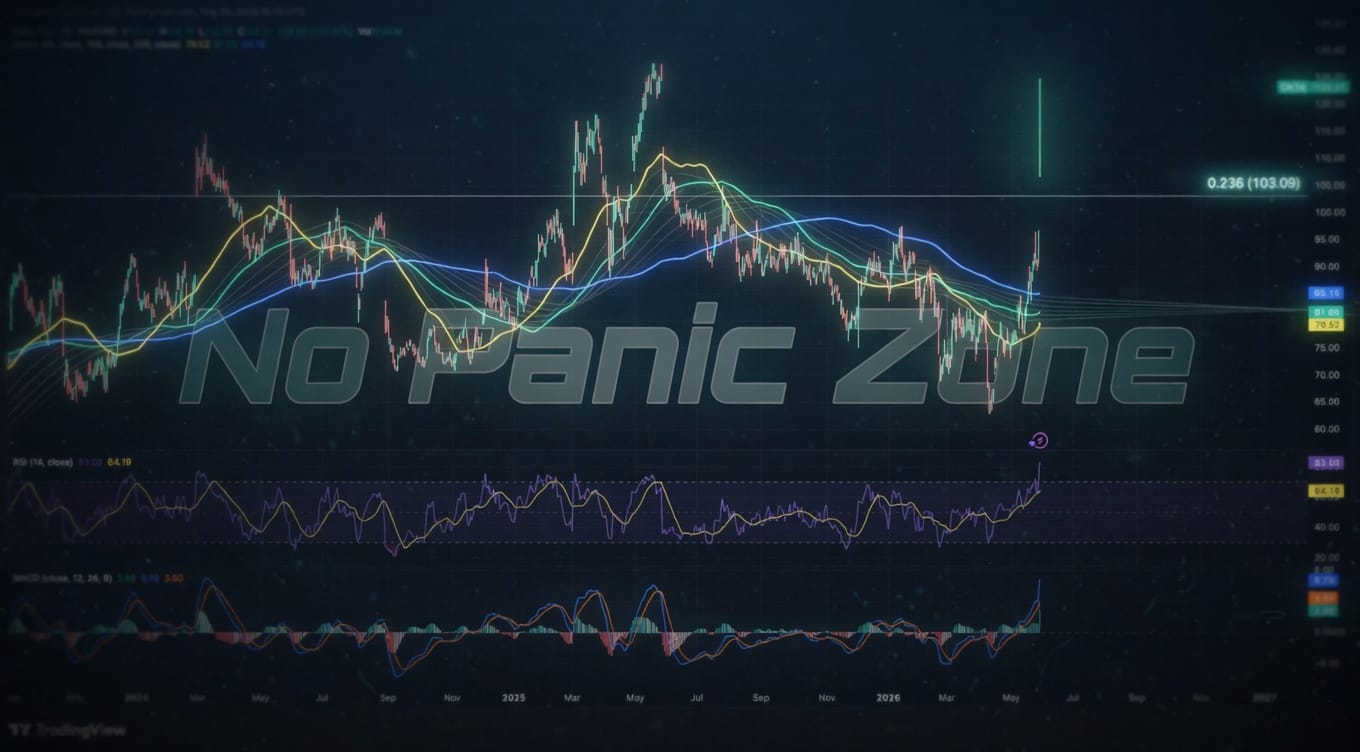
But here's the thing about technical analysis: none of this matters. Draw your lines. Watch your indicators. The chart doesn't care if Kevin from Portland is stressed about his debt-to-income ratio. The chart doesn't read articles about builder sentiment. The chart just moves.
Retail traders are out here reading summaries about mortgage rates like they're about to crack the housing market code. They'll bookmark this article. Share it in their Discord. Talk about how they're waiting for the perfect entry point. Then they'll watch house prices climb another 8% while they optimize their decision-making process.
The builders are sad. Their sentiment dropped. They polled a bunch of guys who frame houses for a living and discovered morale is low when nobody's buying houses. This qualifies as financial news in 2026.
You know what else happened this summer? The S&P moved. Bonds moved. Commodities moved. None of them stopped to read a sentiment survey first.
Every housing market article follows the same template: rates are up, prices are up, affordability is down, experts are concerned. Then six months later prices are higher and the same experts write the same article with bigger numbers. The wheel spins. Retail reads the news. The news becomes obsolete before they finish reading it.
But sure, let's pretend this headline contains actionable information instead of just confirming that expensive things remain expensive when money costs more to borrow.
Photo by Artful Homes on Unsplash




Leave a Comment