

Nvidia released Cosmos 3 Edge. Not Cosmos 3. Not Cosmos Edge. Cosmos 3 Edge. The same naming convention Ford uses when they can't decide if a vehicle should seat five or seven.
The company also announced it's expanding Japan's physical AI ecosystem. Physical AI. That's what we're calling robots now. Because saying robots makes investors think of the trash compactor scene in Star Wars and physical AI makes them think of quarterly earnings growth.
Japan gets the expansion. Not Taiwan. Not South Korea. Japan. The country that spent three decades perfecting humanoid robots that can pour tea and still can't figure out why their population keeps shrinking. Nvidia looked at that track record and said yes, more of this.
Cosmos 3 Edge runs on something called edge computing. Edge computing means the processing happens locally instead of in a data center. It's faster. It's more efficient. It costs more. Retail traders will hear edge and assume it means competitive advantage. It does not. It means the device you're holding does the math instead of a warehouse in Virginia.
The model is designed for robotics and autonomous systems. Autonomous systems. Self-driving cars that still need a human behind the wheel. Delivery drones that require a licensed pilot within visual range. Warehouse robots that stop moving when someone drops a cardboard box. Autonomous the way a toddler is autonomous after you childproof the house and remove everything sharp.
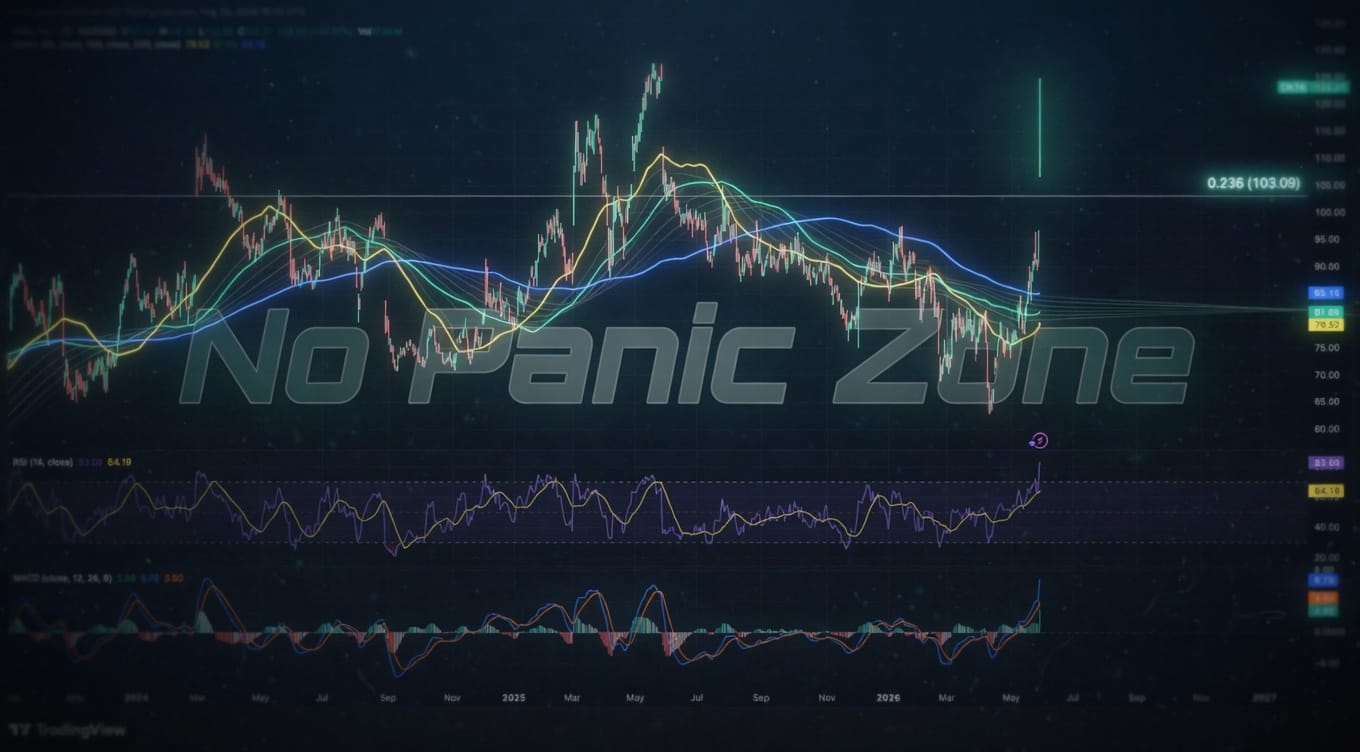
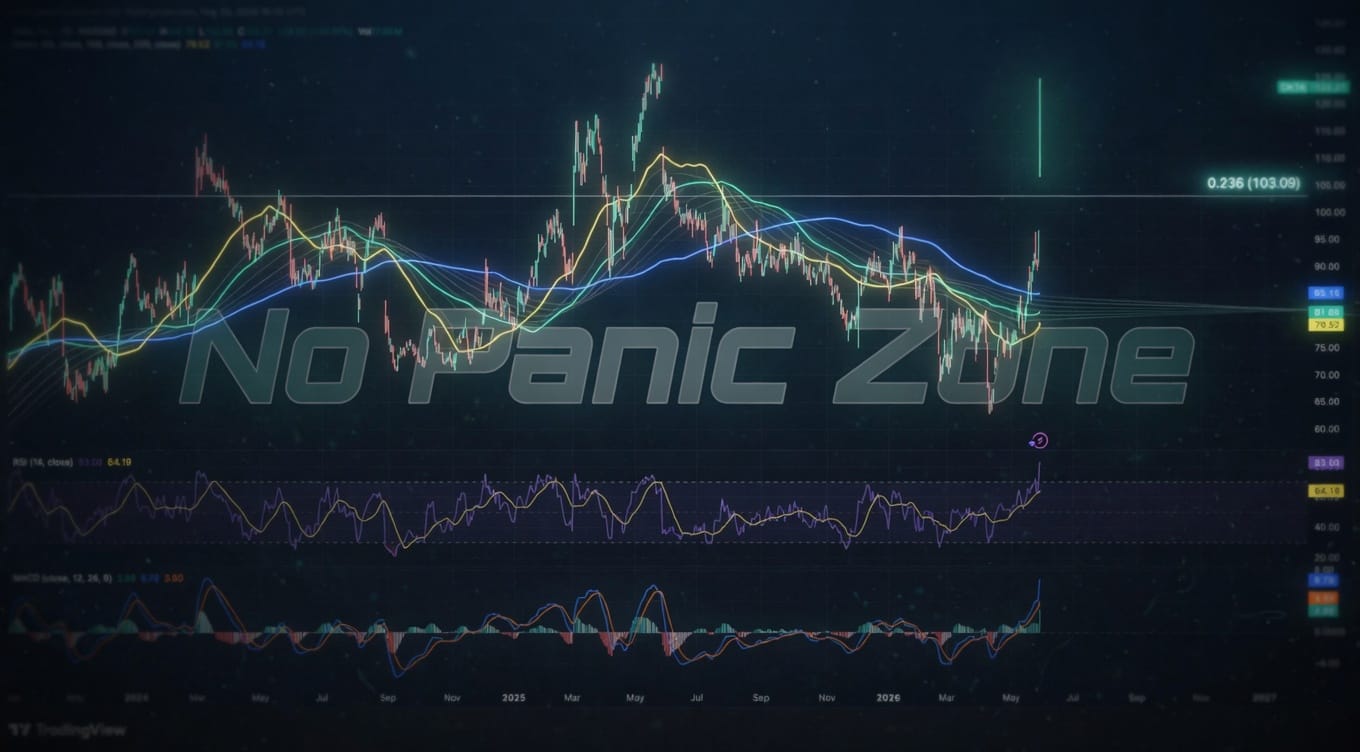
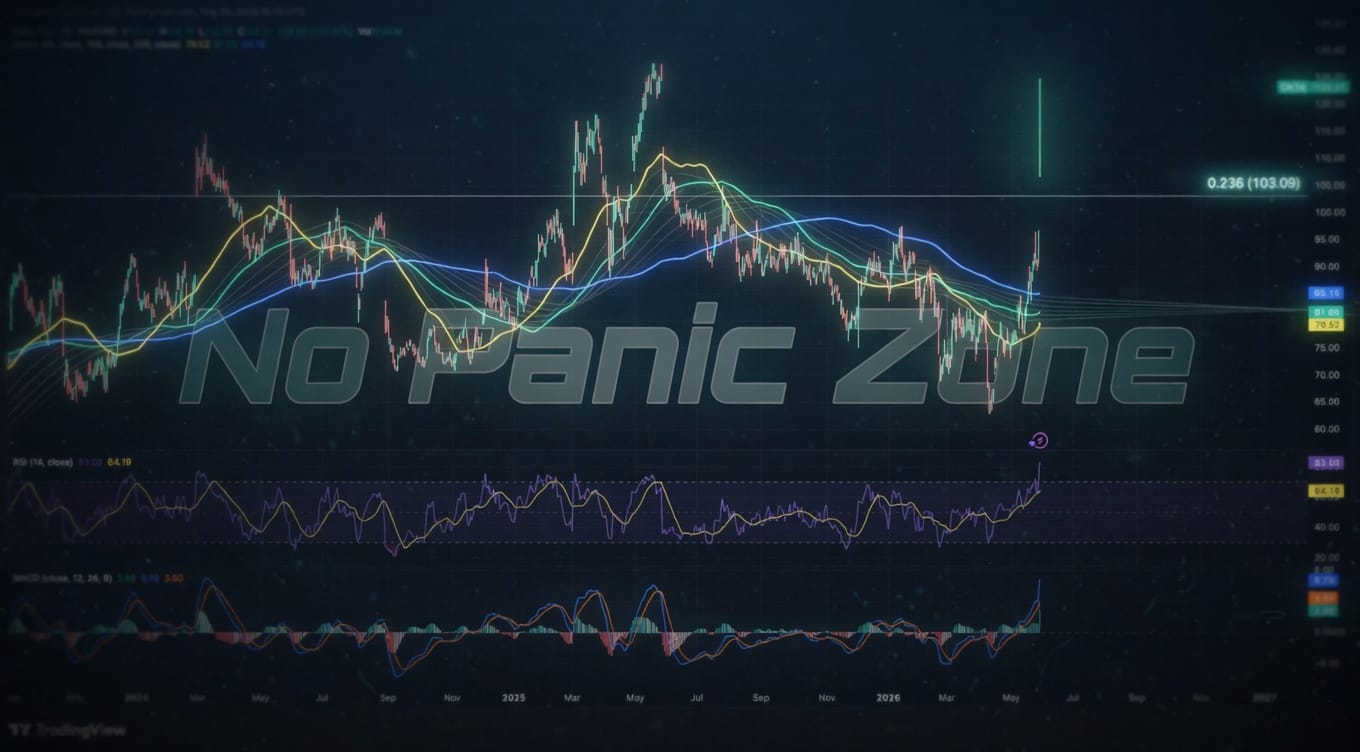
This announcement will not affect Nvidia's stock price. Nothing affects Nvidia's stock price anymore. The stock went up 780% in eighteen months and now exists outside the normal rules of valuation. Analysts will upgrade their price targets. Retail traders will buy calls. The stock will do whatever it was going to do anyway because it stopped listening to announcements sometime in 2024.
Japan's physical AI ecosystem now includes Nvidia's latest technology, which means Japanese robots will crash into walls 8% faster than they did before.
Photo by on Unsplash




Leave a Comment