

Shipping traffic through the Strait of Hormuz is bouncing back one week after the U.S. and Iran signed a peace deal. The ships are moving again. Confidence remains fragile. This is the part where I'm supposed to tell you what it means for your portfolio.
It means nothing.
Twenty percent of the world's oil passes through that strait. Did you price that in last week? No. Did you price it in yesterday? Also no. Will you price it in tomorrow? You'll try. You'll fail. You'll blame algorithms.
The deal is interim. That's diplomat-speak for "we'll be back here in six months." But retail traders saw the headline and bought energy stocks like they'd cracked the Da Vinci Code. They read "Strait of Hormuz" and felt smart for knowing where it is. It's between Iran and Oman. Congratulations. You passed seventh grade geography. Your Chevron calls still expired worthless.
Fragile confidence threatens recovery. What a sentence. Confidence is always fragile. Recovery is always threatened. This is like saying water is wet but the wetness remains uncertain. Yet somewhere right now a day trader is highlighting that phrase in yellow and building a three-monitor thesis around it.
The ships are moving. They moved last month too. They'll move next month. The only thing that changed is some people signed a document that other people will ignore whenever it becomes convenient. But you read "U.S.-Iran deal" and thought you'd spotted an edge. You hadn't. You'd spotted a headline. Those are different things.
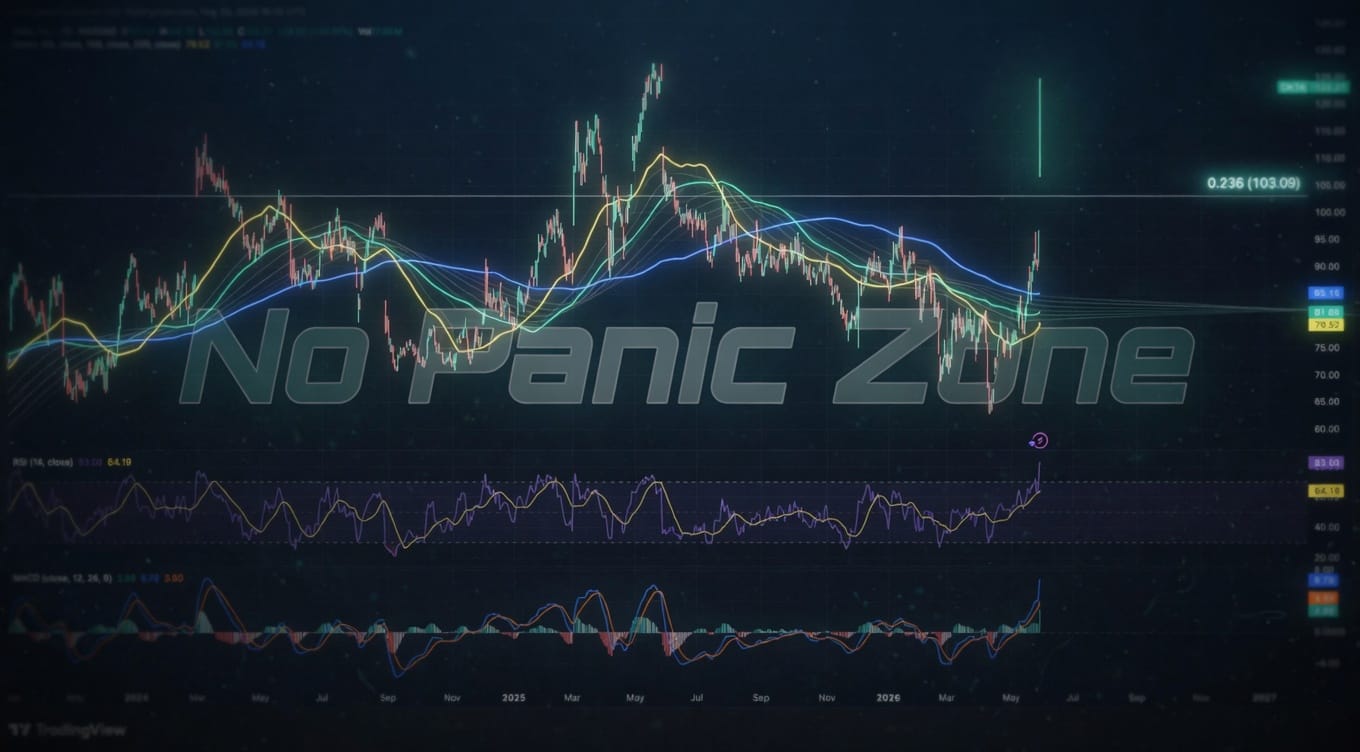
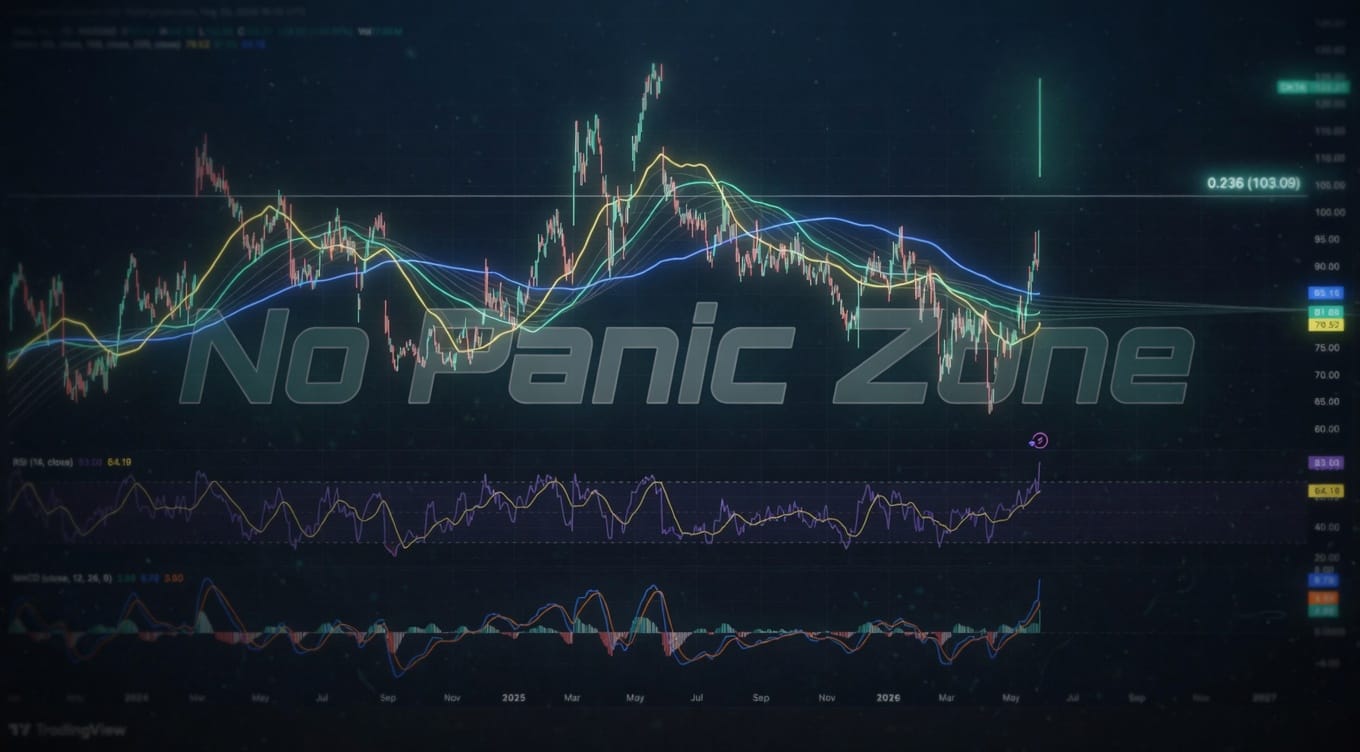
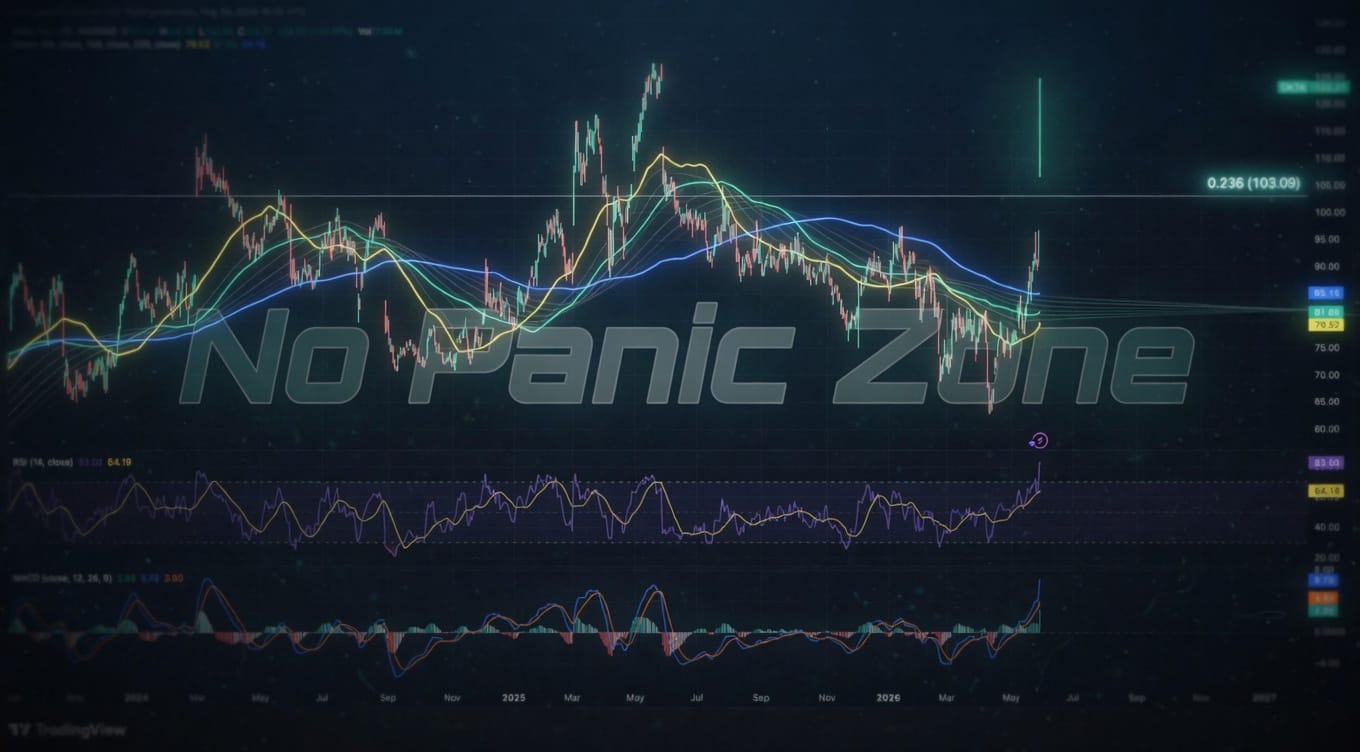
The technical setup on crude futures hasn't changed. The charts don't care about diplomacy. They care about where the last guy bought and where the next guy will panic. Everything else is a bedtime story investors tell themselves so they can sleep through the drawdown.
One week after the deal and the ships are back. One week after your last blown trade and you're back too, hunting for the next geopolitical catalyst like it's f*cking Pokemon.
Photo by on Unsplash


Leave a Comment