
Iran and the United States traded strikes over the Strait of Hormuz. American forces hit Iranian targets. Iran fired back at U.S. military bases in multiple Gulf states. The oil chokepoint that handles a third of global seaborne petroleum trade is now a live conflict zone.
Retail traders checked their portfolios. Saw red. Blamed the Middle East. These are the same people who couldn't locate the Strait of Hormuz on a map if you gave them three tries and a globe with only five countries labeled.
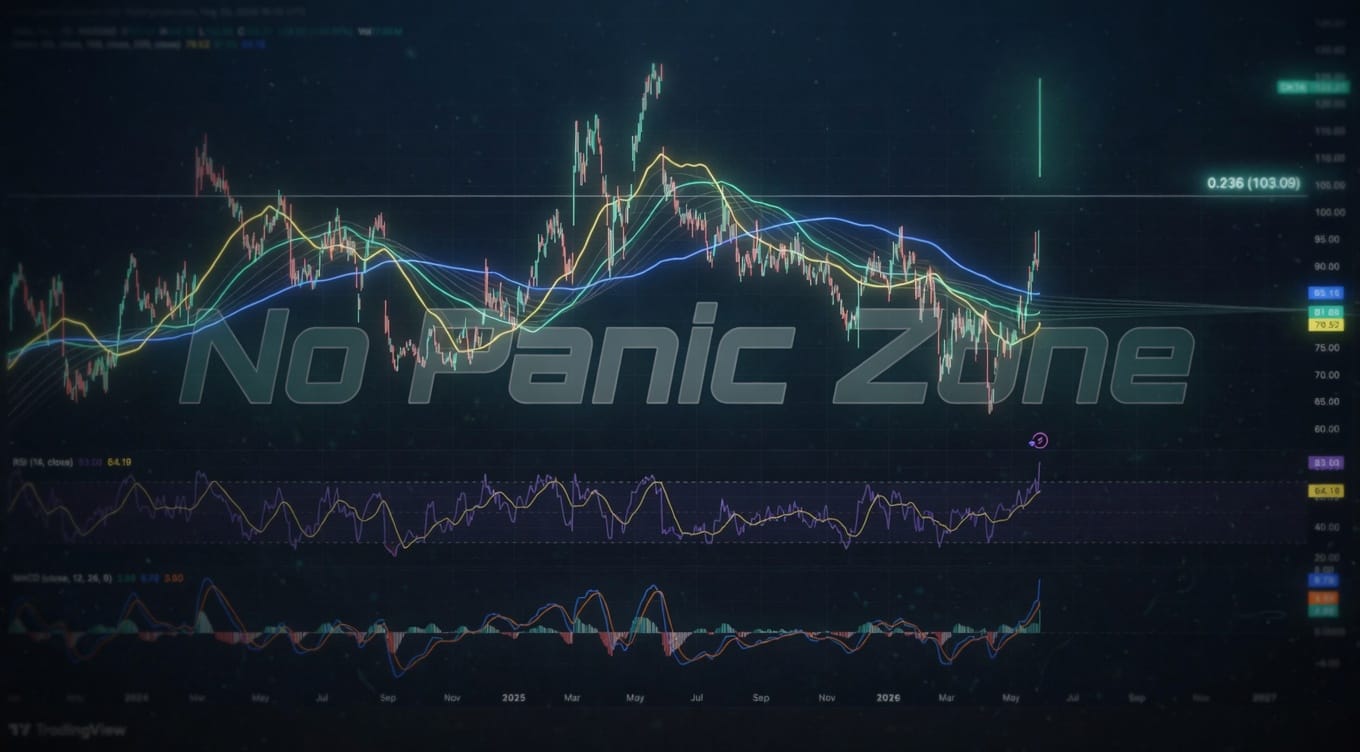
The technical setup hasn't changed. Support levels don't care about Iranian missiles. Resistance doesn't move because the Fifth Fleet got nervous. Your stop loss isn't going to consult the Pentagon before it triggers. The 200-day moving average didn't attend the UN Security Council meeting.
Some guy in New Jersey is now an expert on regional escalation dynamics. He read a headline. Watched a TikTok about the Strait. Decided this changes everything about his SPY calls expiring Friday. He's down 40% since January but sure, the problem is Tehran.
The chart looked like sh*t before the strikes. The chart looks like sh*t after the strikes. You were losing money last week when the Gulf was peaceful. You're losing money this week when it's not. The variable that changed is not the variable that matters.
Iran could close the Strait tomorrow. Oil could hit $200. Your trading account would still be bleeding out because you bought a momentum stock at the top and held it through three earnings misses. Geopolitics is just the excuse you tell yourself instead of admitting you don't know what you're doing.
The missiles flew. The bases got hit. And somewhere in America, a guy with $1,200 in Robinhood just blamed his losses on a conflict he can't spell.
Photo by on Unsplash


Leave a Comment