

The S&P 500 closed at 7,610. Subtract 20% and you get 6,088. This is called math.
Financial journalists discovered subtraction this week and decided it was a summer forecast. They're now calculating bear market thresholds for every index like they're helping you plan a vacation. The Dow needs to drop this much. The Nasdaq needs to fall that much. Here are the odds. Place your bets.
Nobody knows the odds. Not one person. If someone knew the odds of a bear market this summer they wouldn't be writing articles about it. They'd be on a yacht doing whatever people on yachts do. Ignoring their children probably.
But retail traders will read this headline and think it's actionable intelligence. They'll open their Robinhood app and start hedging against a number that someone pulled from basic arithmetic and a calendar season. Summer. As if the market checks the weather before it crashes.
The S&P could hit 6,088 tomorrow or never. Both are equally useful predictions. You know what else it could do? Close at 7,611. Then the whole article gets rewritten with new numbers and everyone pretends the old numbers never existed.
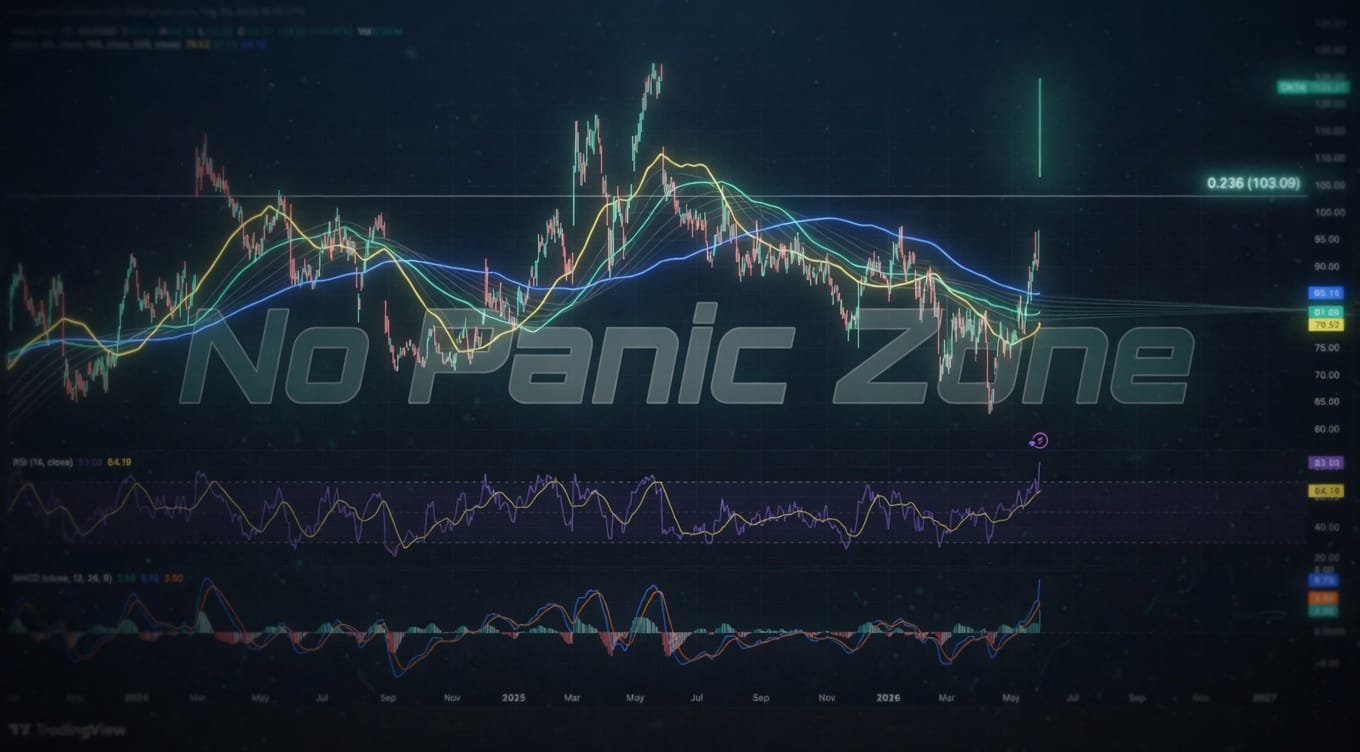
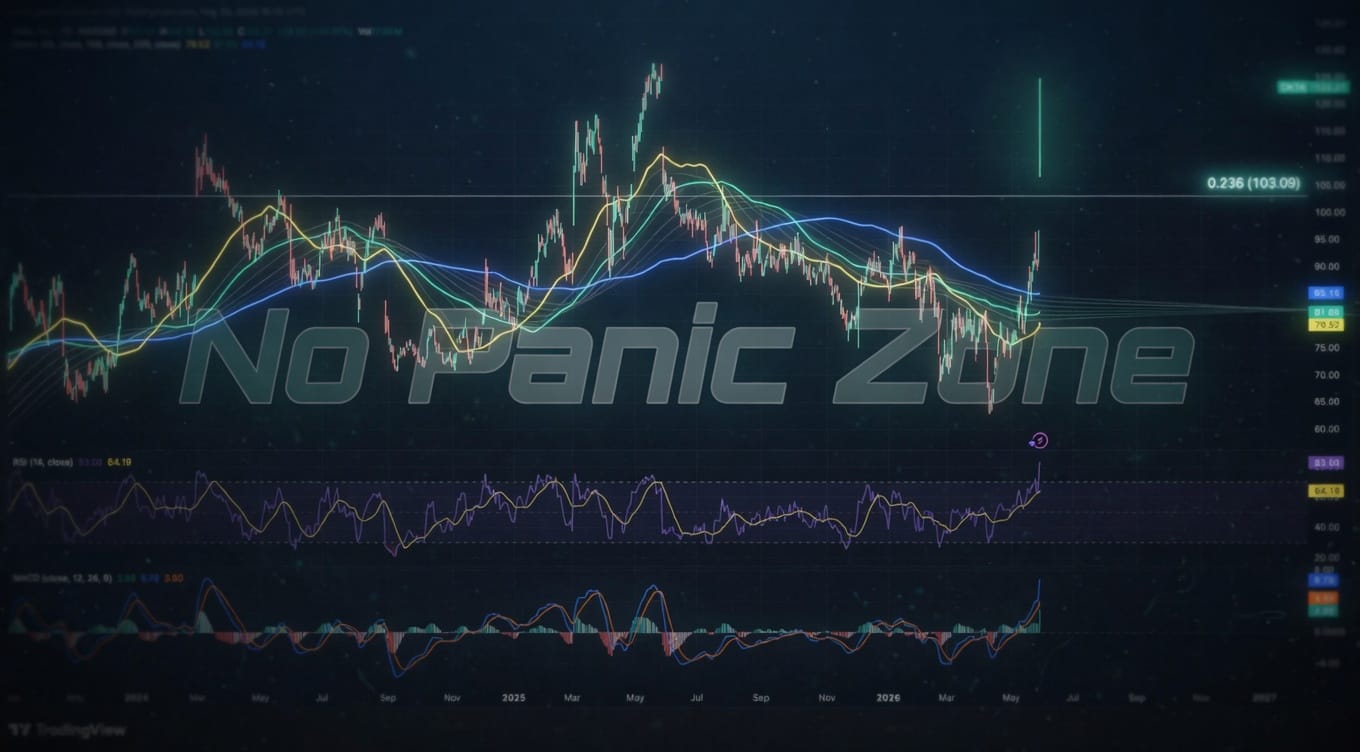
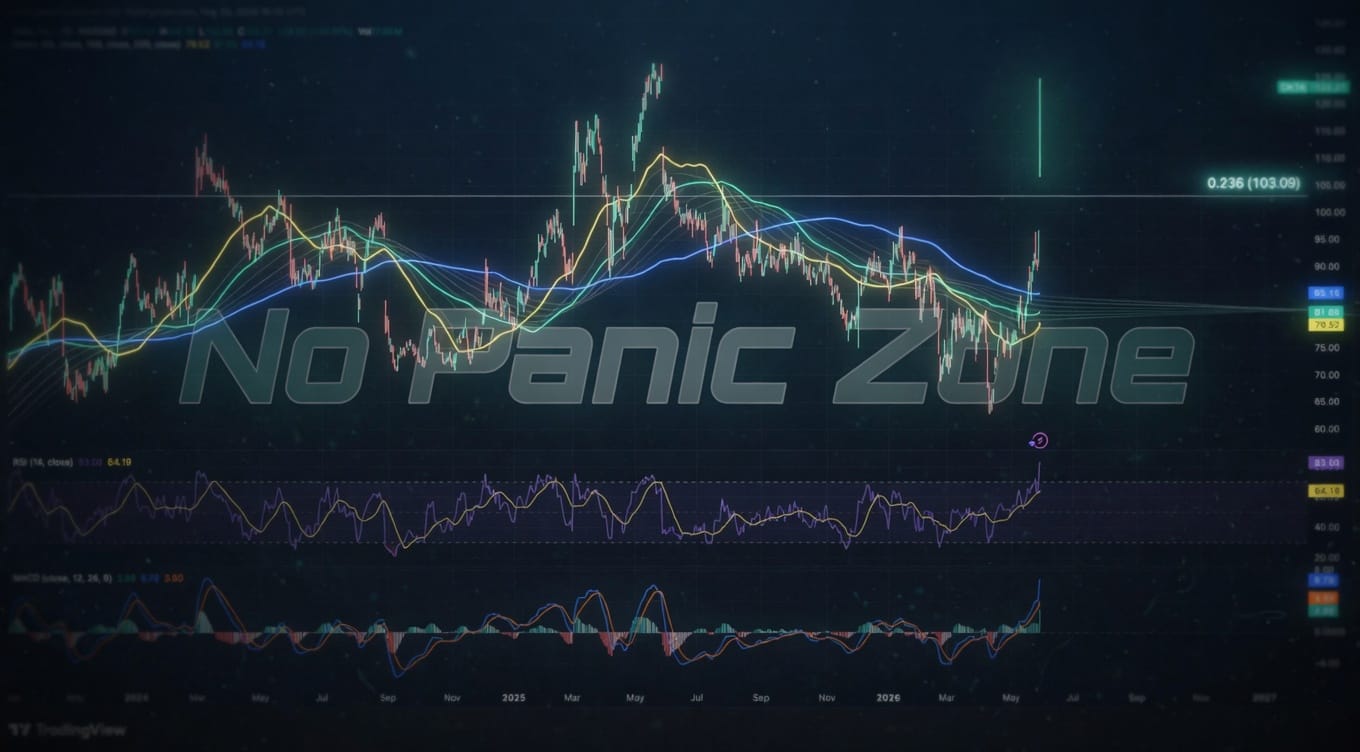
This is technical analysis. Draw lines between old prices. Calculate percentages. Assign probabilities you cannot possibly know. Publish before lunch. Some guy named Derek in Minnesota will read it on his phone and sell his entire portfolio at a loss because someone did multiplication in public.
The best part is the word odds. Sounds scientific. Sounds like someone ran the numbers through a model. They didn't. They subtracted twenty from one hundred and acted like they predicted the future.
Photo by Maxim Hopman on Unsplash


Leave a Comment