

They bought the stock on June 3. Then they bought more. Now they're buying it again. Three purchases in two weeks.
This is what happens when someone confuses accumulation with a strategy. Dollar-cost averaging has a name because it needed one. Before that it was just called being wrong repeatedly at different prices.
The stock has a "bright long-term future." Every stock has a bright long-term future when you're down 14% and need to justify another entry. The human brain will construct entire fictional narratives about technological innovation and market positioning just to avoid admitting it caught a falling knife with its face.
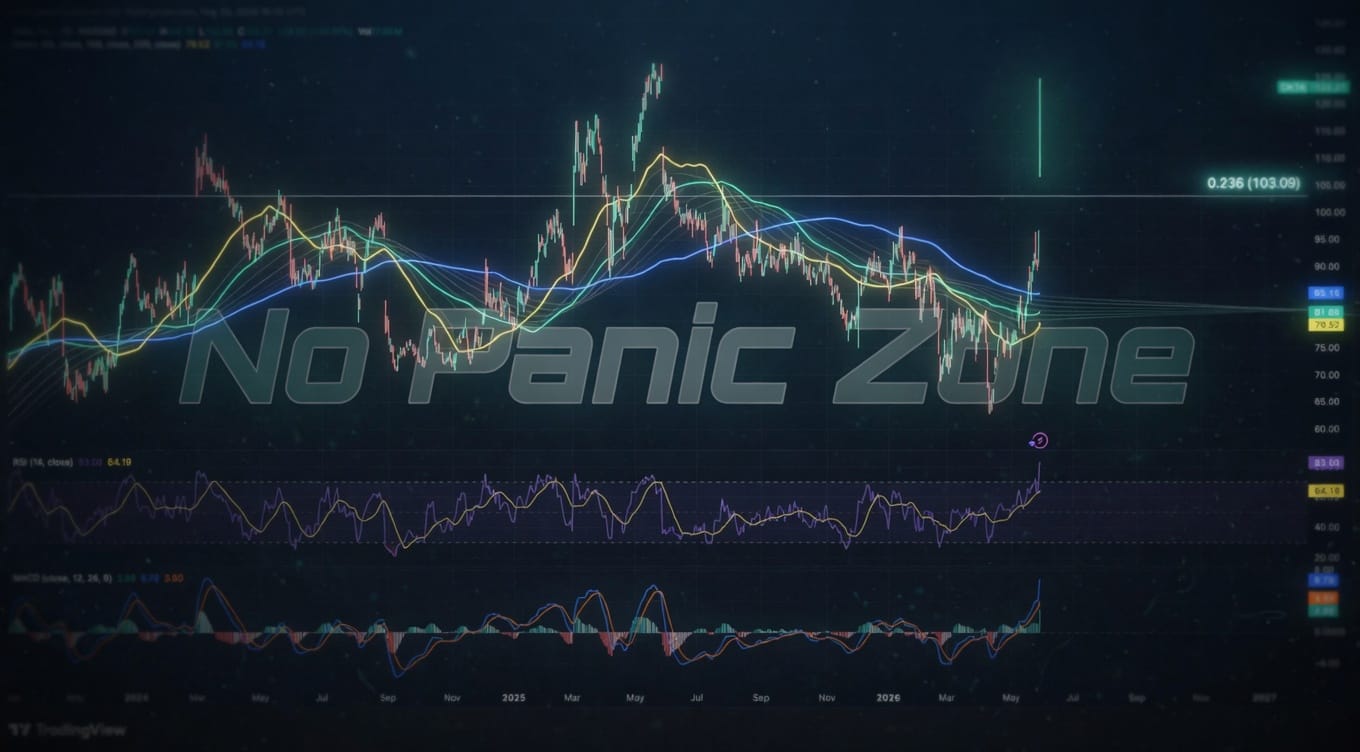
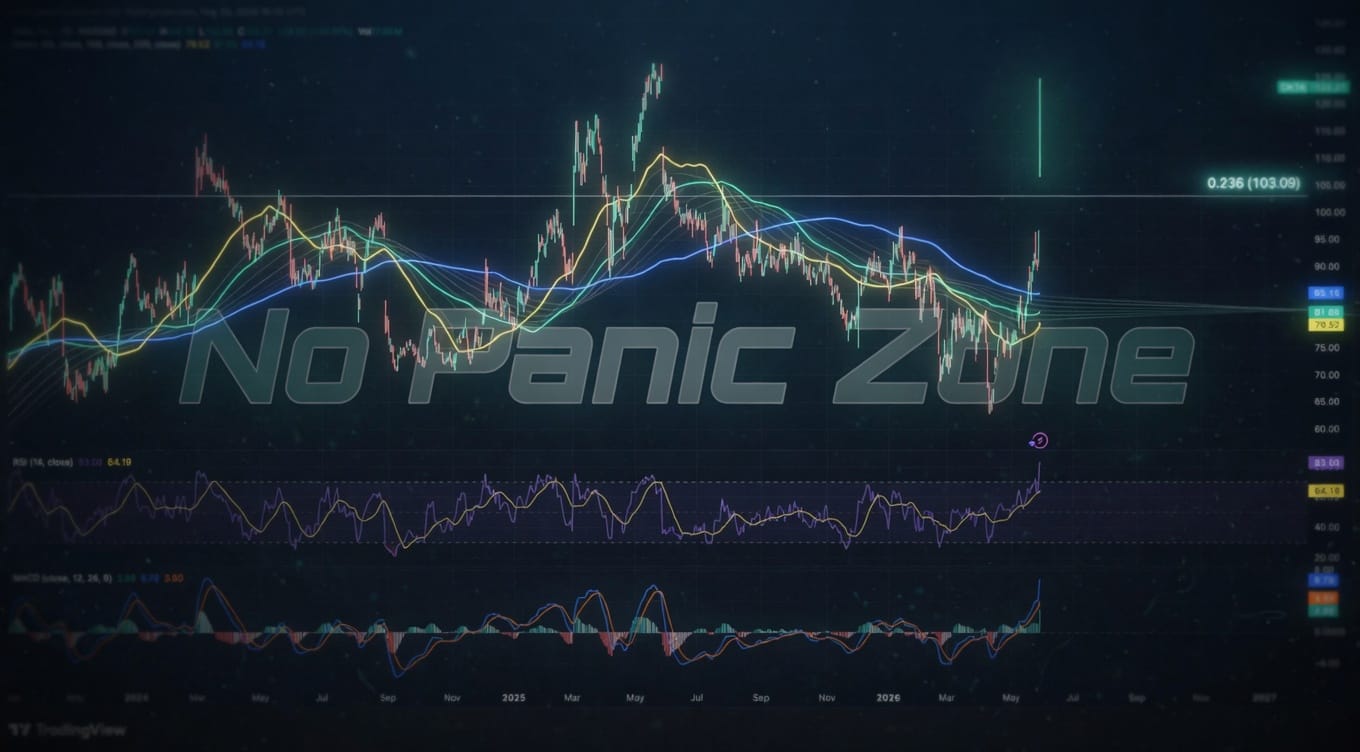
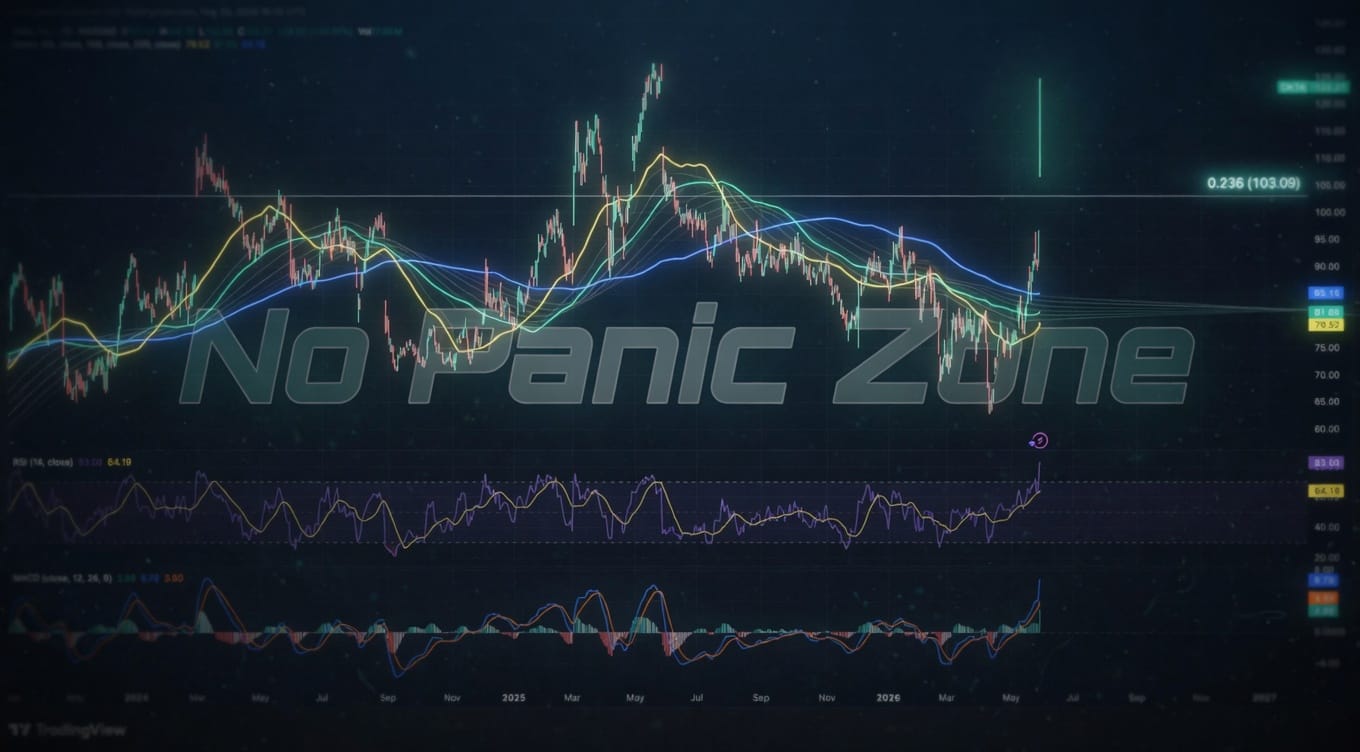
Technical analysis says the following: if you bought something, then bought more of it, then had to buy even more of it, you f*cked up the first two times. Support levels don't care about your thesis. They break. Then they become resistance. Then you write a newsletter about long-term value while your unrealized losses compound like interest on a payday loan.
The phrase "since adding it to our portfolio" does heavy lifting here. It means thirteen days ago. The long-term future started less than two weeks ago. At this pace they'll own the entire float by August and still be typing newsletters about their "high conviction" position.
Retail traders read this headline and think it's bullish. Institutional money reads it and knows exactly what it means: someone is underwater and averaging down while calling it accumulation. The stock doesn't know you believe in it. The stock is just a series of limit orders and stop losses, and right now yours are the wrong ones.
Buy signal number three is just the first two buy signals refusing to admit they were sell signals.
Photo by Daniel Silva on Unsplash



Leave a Comment