

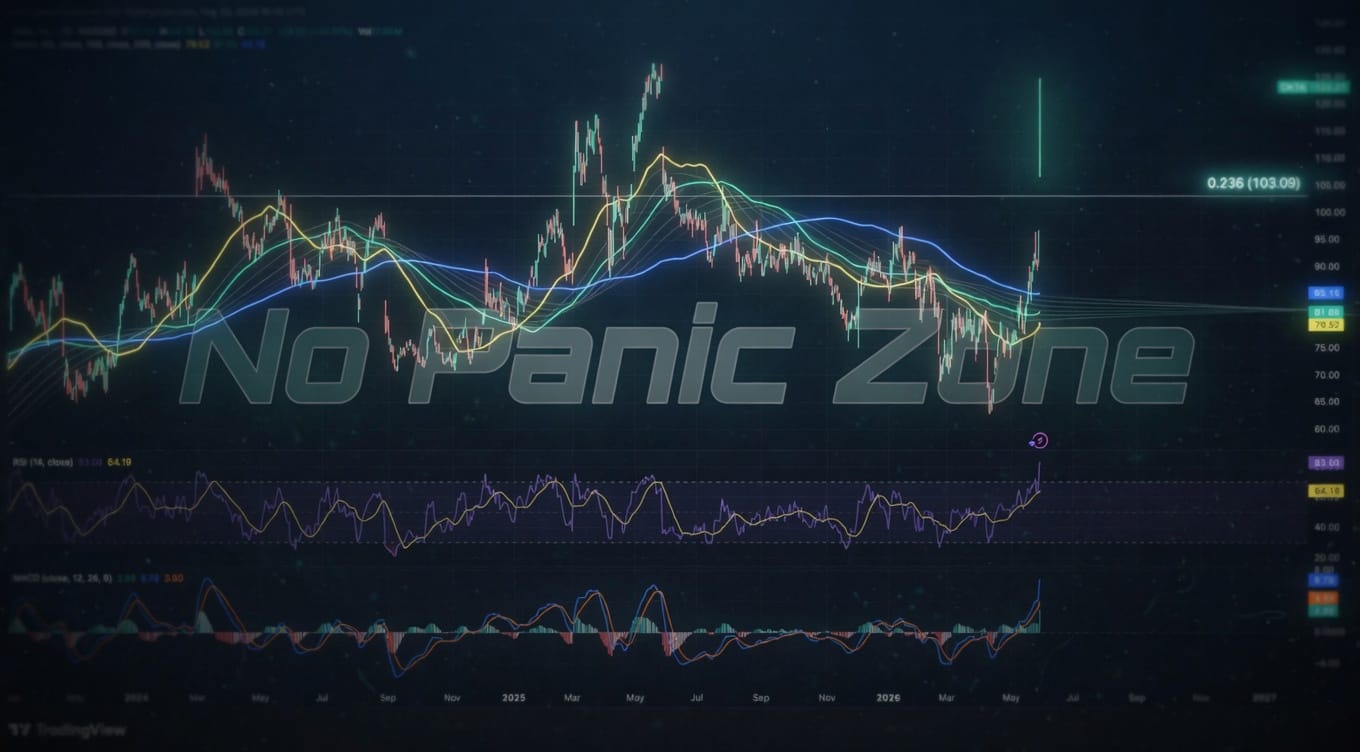
Jeremy Siegel just compared the AI rally to the Industrial Revolution. Fantastic news for everyone who bought NVIDIA at the top. Your portfolio is now historically significant. Frame those losses. Put them on the mantle next to your dog's ashes and that participation trophy from fifth grade.
Siegel teaches at Wharton, which means he's forgotten more about markets than you'll ever know. He's also forgotten that comparing anything to the Industrial Revolution is what every bubble enthusiast does right before the bubble pops. The railroads were the future. Then the internet was the future. Now it's chatbots that can't count the number of R's in "strawberry." Progress marches on.
Friday's sell-off is "rarely the top" according to Siegel. Notice how he didn't say "never the top." Just "rarely." You know what else is rare? A Wharton professor losing his own money on bad calls. They collect speaking fees and tenure. You collect margin calls and divorce papers.
The Industrial Revolution gave us factories and child labor laws and eventually a middle class. The AI revolution is giving us a search engine that hallucinates and college kids who can't write their own essays anymore. Totally the same thing. Both involve machines replacing workers, which is great unless you're a worker, which you probably are.
Siegel's argument is that this rally is different from previous bubbles. Every bubble is different until it isn't. The dot-com bubble was different because of the internet. The housing bubble was different because real estate only goes up. This bubble is different because the robots are really smart this time. The robots can write code and generate images and tell you confidently that 2 plus 2 equals 5.
Retail traders heard "rarely the top" and decided that means "definitely not the top" and loaded up on more call options they don't understand. They're comparing themselves to Industrial Revolution investors now. Those guys built railroads across continents. You bought fractional shares on Robinhood between TikToks.
The top happens when professors start saying it's different this time, but sure, go ahead and confuse an Ivy League endorsement with investment advice.
Photo by Kelly Sikkema on Unsplash



Leave a Comment