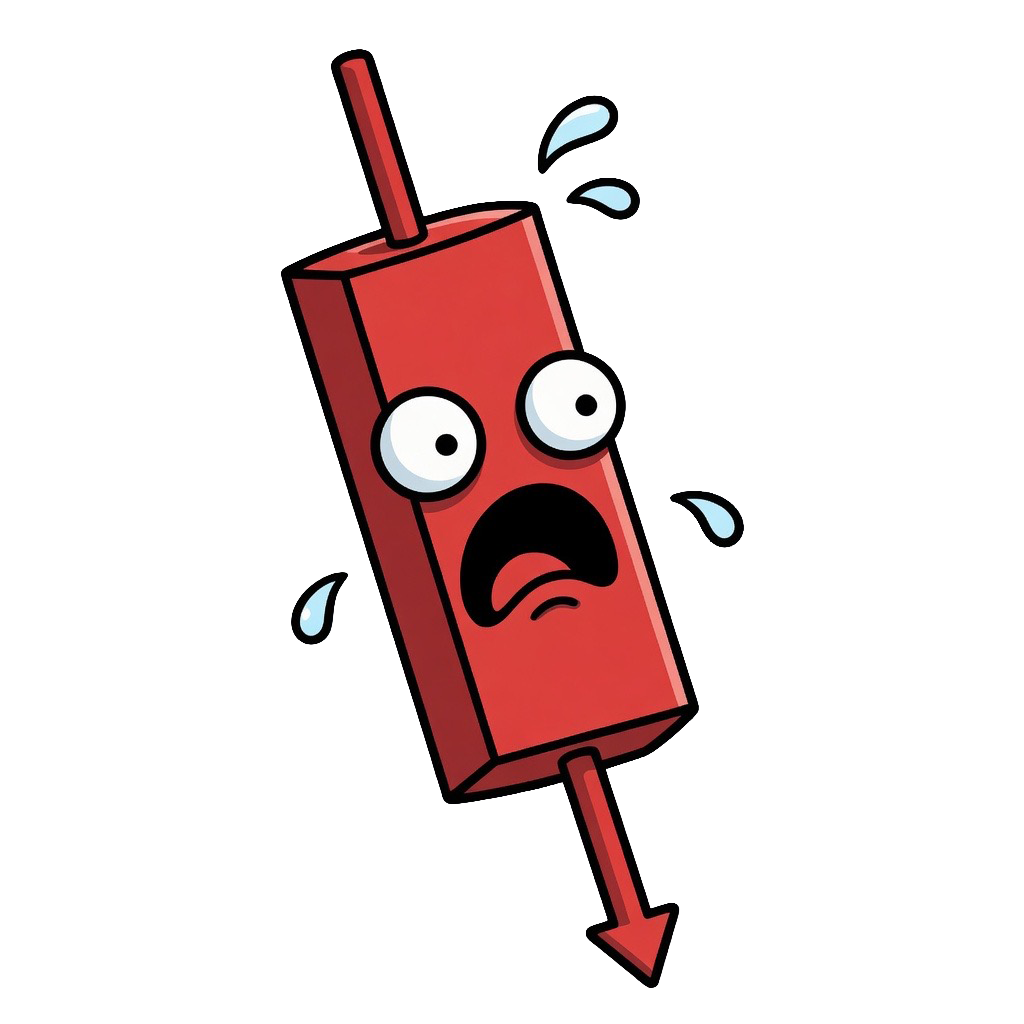
AirSculpt Technologies (AIRS) is a body-contouring medical aesthetics company that grew rapidly through 2023 but has since hit a wall. Revenue has been sliding for two consecutive fiscal years — from a peak of nearly $196 million in 2023 down to $152 million in fiscal 2025 — while profitability has deteriorated meaningfully. The company is now posting negative operating and net margins, its current ratio sits well below 1.0 (meaning short-term liabilities exceed short-term assets), and EBITDA has collapsed from nearly $20 million in 2023 to just over $1 million in 2025. The one mildly encouraging sign in the most recent quarter (Q1 2026) is that capital expenditures have dropped to almost nothing, suggesting management is pulling back hard on expansion spending — but that could reflect caution as much as fiscal discipline. On balance, AIRS is navigating a challenging stretch: a shrinking top line, thin-to-negative margins, and a liquidity position that warrants close watching.
Snapshot & Big Picture
AirSculpt Technologies operates a network of premium body-sculpting centers across the United States and internationally, offering its proprietary AirSculpt® procedure — a minimally invasive alternative to traditional liposuction. The company went public in late 2021 and initially rode strong consumer demand for elective aesthetic procedures. However, since peaking in 2023, the business has faced a meaningful demand slowdown, reflected in back-to-back annual revenue declines and a profitability profile that has moved sharply negative.
| Fiscal Year | Revenue | EBITDA | Operating Margin | Net Margin |
|---|---|---|---|---|
| 2019 | $41.2M | $5.6M | 1.6% | -5.4% |
| 2020 | $62.8M | $15.7M | 16.0% | 12.1% |
| 2021 | $133.3M | $22.4M | 11.8% | 7.9% |
| 2022 | $168.8M | $3.5M | -2.7% | -8.7% |
| 2023 | $195.9M | $20.0M | 5.0% | -2.2% |
| 2024 | $180.4M | $10.3M | -0.9% | -4.4% |
| 2025 | $151.8M | $1.2M | -7.6% | -7.7% |
Latest Quarter Snapshot (Q1 2026)
The most recent data — more current than the annual figures — comes from the 10-Q for the quarter ended March 31, 2026. Revenue came in at $39.4 million for the quarter, with an operating margin of -4.6% and a net margin of -6.1%. EBITDA was $1.2 million. The current ratio improved slightly to 0.75, and the debt-to-equity ratio fell to 0.45 — the lowest in the company's reported history — suggesting some deleveraging has occurred. Capital expenditures in Q1 2026 were essentially negligible at just $51,000 (0.1% of revenue), a dramatic pullback from recent annual levels. While one quarter of near-zero capex isn't necessarily a trend, it signals that management is not actively investing in new center openings or significant facility upgrades at this time.
Profitability
The profitability trajectory at AIRS is concerning. The company was genuinely profitable — on both an operating and net basis — in 2020 and 2021, when it was scaling rapidly and the elective aesthetics market was booming post-pandemic. Margins compressed sharply in 2022 as the company invested heavily in expansion, recovered partially in 2023, and have since deteriorated again. Fiscal 2025 marks the worst operating margin (-7.6%) in the company's reported history, and EBITDA of just $1.2 million on $152 million in revenue is razor thin. Gross margin data was not available in any of the SEC filings provided, so a gross-level profitability breakdown cannot be presented here. The consistent gap between EBITDA and operating/net margins points to meaningful depreciation, amortization, and interest expense burdens sitting below the EBITDA line.
Financial Health & Capital Expenditures
AIRS's liquidity position has weakened steadily. The current ratio — which measures whether a company can cover its short-term obligations with short-term assets — stood at 1.79 in 2021, dropped below 1.0 by 2022, and has remained below 1.0 through fiscal 2025 (ending the year at 0.55). A current ratio persistently below 1.0 indicates that current liabilities exceed current assets, which can create cash flow pressure, especially if revenue continues to decline. The Q1 2026 figure of 0.75 is a modest improvement but still below parity.
On the debt side, the debt-to-equity ratio has trended downward from a peak of 1.18 in 2022 to 0.64 in 2025 and further to 0.45 in Q1 2026, which is a positive directional signal — though the context of shrinking equity (from accumulated losses) should be kept in mind when interpreting this ratio.
Capital expenditure trends tell an interesting story about the company's investment cycle:
| Period | Capital Expenditures | CapEx as % of Revenue |
|---|---|---|
| FY 2019 | $4.4M | 10.8% |
| FY 2020 | $3.7M | 5.9% |
| FY 2021 | $7.1M | 5.3% |
| FY 2022 | $12.9M | 7.7% |
| FY 2023 | $9.9M | 5.1% |
| FY 2024 | $14.0M | 7.8% |
| FY 2025 | $2.4M | 1.6% |
| Q1 2026 | $0.05M | 0.1% |
Capital intensity ramped up meaningfully in 2022 and 2024 — consistent with center build-outs — and has since collapsed in 2025 and into Q1 2026. This sharp drop in capex implies that the company has largely halted its physical expansion. While this preserves cash in the near term, it also suggests limited growth investment, which may constrain the company's ability to re-accelerate revenue without a return to spending.
Growth
The revenue CAGR figures below capture the company's growth profile across available time windows. A 10-year CAGR is not available because AIRS does not have 10 years of SEC filing history — the company only went public in late 2021, and filings in the provided dataset extend back only to fiscal year 2019.
| Window | Start Year | End Year | Start Revenue | End Revenue | CAGR |
|---|---|---|---|---|---|
| 3-Year | FY 2022 | FY 2025 | $168.8M | $151.8M | -3.5% |
| 5-Year | FY 2020 | FY 2025 | $62.8M | $151.8M | 19.3% |
| 10-Year | N/A | N/A | N/A | N/A | Not available — insufficient filing history |
The 5-year CAGR of 19.3% reflects the company's explosive growth phase from 2020 through its post-IPO expansion — an impressive headline figure that, however, flatters the current picture considerably. The 3-year CAGR of -3.5% is more representative of where the business stands today: a company that has been contracting, not growing, over the most recent three fiscal years. The divergence between these two numbers underscores how quickly the growth story has shifted.





Leave a Comment