
California AG Rob Bonta went on CNBC to discuss blocking a merger between companies that make content nobody watches on platforms nobody uses. He said settling would require "robust structural remedies." That's lawyer speak for "I have no f*cking idea what we want but it needs to sound important."
Paramount merged with Skydance. Now they want Warner Bros. Discovery. Three dying media companies trying to combine into one slightly less dying media company. It's like watching three drowning men form a committee to discuss buoyancy.
Bonta thinks this creates a monopoly. A monopoly on what exactly? Streaming services that lose billions per quarter? Content libraries full of shows your parents might have watched in 2009? The exclusive right to fire thousands of employees while executives collect bonuses?
Retail traders heard "merger" and "lawsuit" and immediately started googling which ticker to buy. They don't know what Paramount owns. They don't know what Warner Bros. Discovery is. They definitely don't know what Skydance does. But they know mergers mean volatility and volatility means they can lose money faster than usual.
David Faber nodded along during the interview. He's been covering media mergers since the AOL Time Warner days. He's seen this exact movie before. Different companies. Same ending. Thousands of layoffs. One new logo. Executive bonuses that could fund a small nation.
The structural remedies will be announced eventually. They'll sound tough. The companies will comply. The merger will happen anyway. Three years later nobody will remember why anyone cared.
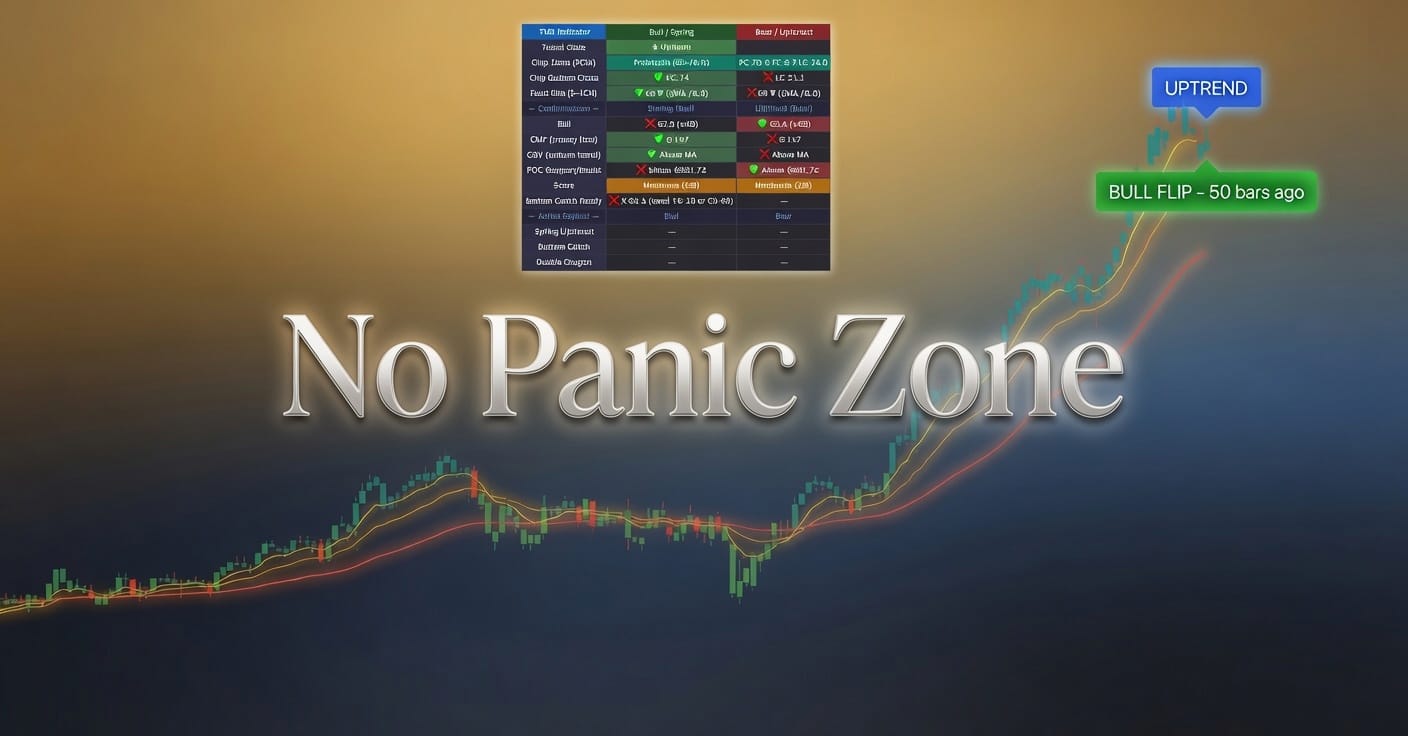
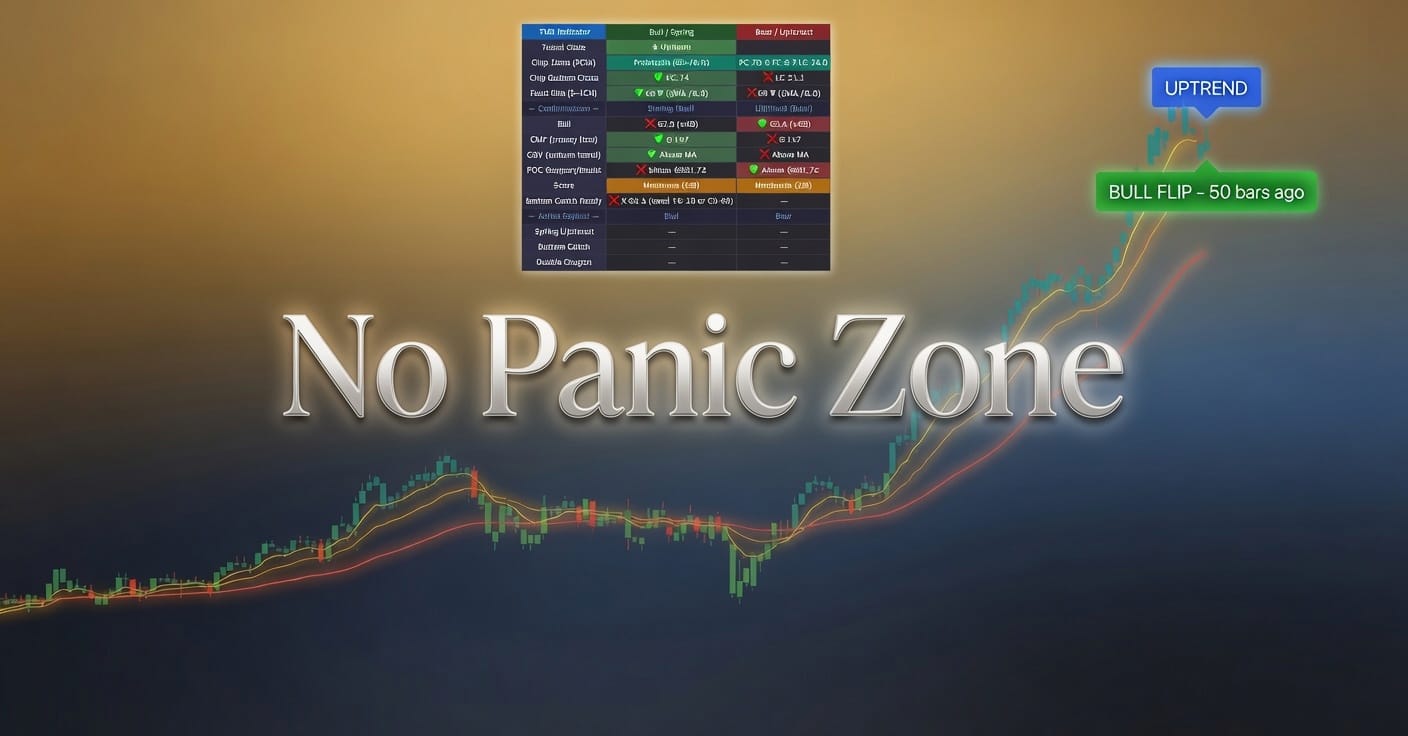
The chart doesn't care about antitrust lawsuits. It doesn't care about structural remedies. It definitely doesn't care that California's AG can construct a sentence that means absolutely nothing while sounding incredibly serious about it.
Photo by Bermix Studio on Unsplash





Leave a Comment