
The United States and Iran agreed to a 60-day ceasefire. Then the U.S. military attacked Iranian targets. The ceasefire lasted approximately zero days.
A commercial tanker got hit in the Strait of Hormuz. Someone decided this was the perfect time to work toward a resolution. That someone was wrong. Turns out firing missiles at each other is easier than talking. Who could have predicted this.
Retail traders are now panic-googling "Strait of Hormuz oil supply chain" as if crude futures weren't already pricing in geopolitical chaos every single day since 1973. Your Robinhood account doesn't care about Middle East tension. It cares that you bought calls on a defense contractor with a 47 P/E ratio because some guy on Twitter said Raytheon goes brrrr.
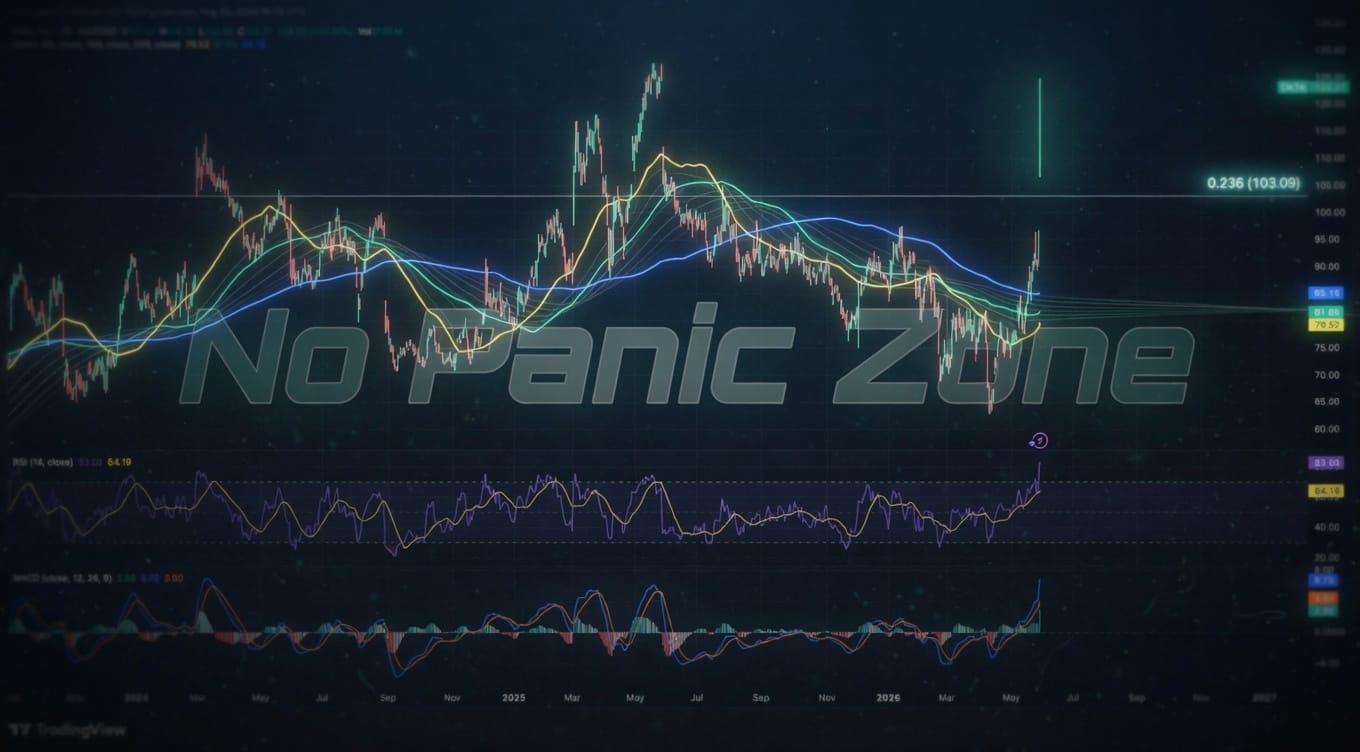
The technical picture remains unchanged. Support holds at who gives a f*ck. Resistance sits at this changes nothing. The 200-day moving average of military conflict in this specific waterway suggests we've seen this headline seventeen times in the past decade. Each time, some genius decides it's different now. Each time, it isn't.
Iran and the United States are attempting to work toward a resolution. They're doing this by shooting at things. Bold strategy. Really shows commitment to the peace process. Nothing says diplomatic breakthrough like cruise missiles.
The tanker was commercial. Not military. Just a regular boat trying to move oil from one place to another place so people can drive their cars and heat their homes. Got hit anyway. The invisible hand of the free market works in mysterious ways.
Your stop-loss won't save you from this. Your technical analysis of a 15-minute chart means nothing when destroyers start launching ordnance. But you'll buy the dip anyway, because you read somewhere that war is bullish, and you think bullish means you should be long, and you don't know what long means but it sounds positive.
The ceasefire continues as scheduled.
Photo by on Unsplash



Leave a Comment