Airfare went up. Consumers responded by buying macramé supplies and calling it a portfolio diversification strategy. This is what passes for economic resilience in 2026.
The headline wants you to believe people are making rational trade-offs. Travel got expensive so they picked up watercolors instead. Substitute goods theory in action. Except nobody who drops $400 on premium hiking boots was ever going to Cancún in the first place. They were going to think about Cancún while filling a virtual shopping cart at 11 p.m. and then buying climbing rope instead.
Hobbies getting pricier means manufacturers figured out they could charge more. Acrylic paint that cost eight dollars now costs twelve. Consumers paid twelve. Groundbreaking stuff. The invisible hand didn't guide anyone toward thrift. It guided them toward a YouTube tutorial on resin art that requires seventy dollars in supplies to make a coaster worth thirty cents.
Outdoor sports are booming because people convinced themselves that owning technical gear counts as exercise. A $300 carbon fiber fishing rod does not catch fish better than a $40 one but it does catch feelings. Specifically the feeling that you are the kind of person who owns a $300 carbon fiber fishing rod. That feeling costs exactly $260.
The term funflation exists because someone in marketing needed to rebrand "you are paying more for the same shit" into something that sounds like a lifestyle choice. It worked. Consumers heard funflation and nodded like it explained why their credit card statement now includes a line item for sea glass jewelry supplies.
Arts and crafts spending is up because TikTok convinced a generation that monetizing hobbies is the same as having hobbies. Nobody crochets for relaxation anymore. They crochet for content. They film themselves crocheting. They buy ring lights to film themselves crocheting. The crochet is incidental.
Retail traders spent travel money on embroidery floss and still think they are beating inflation.
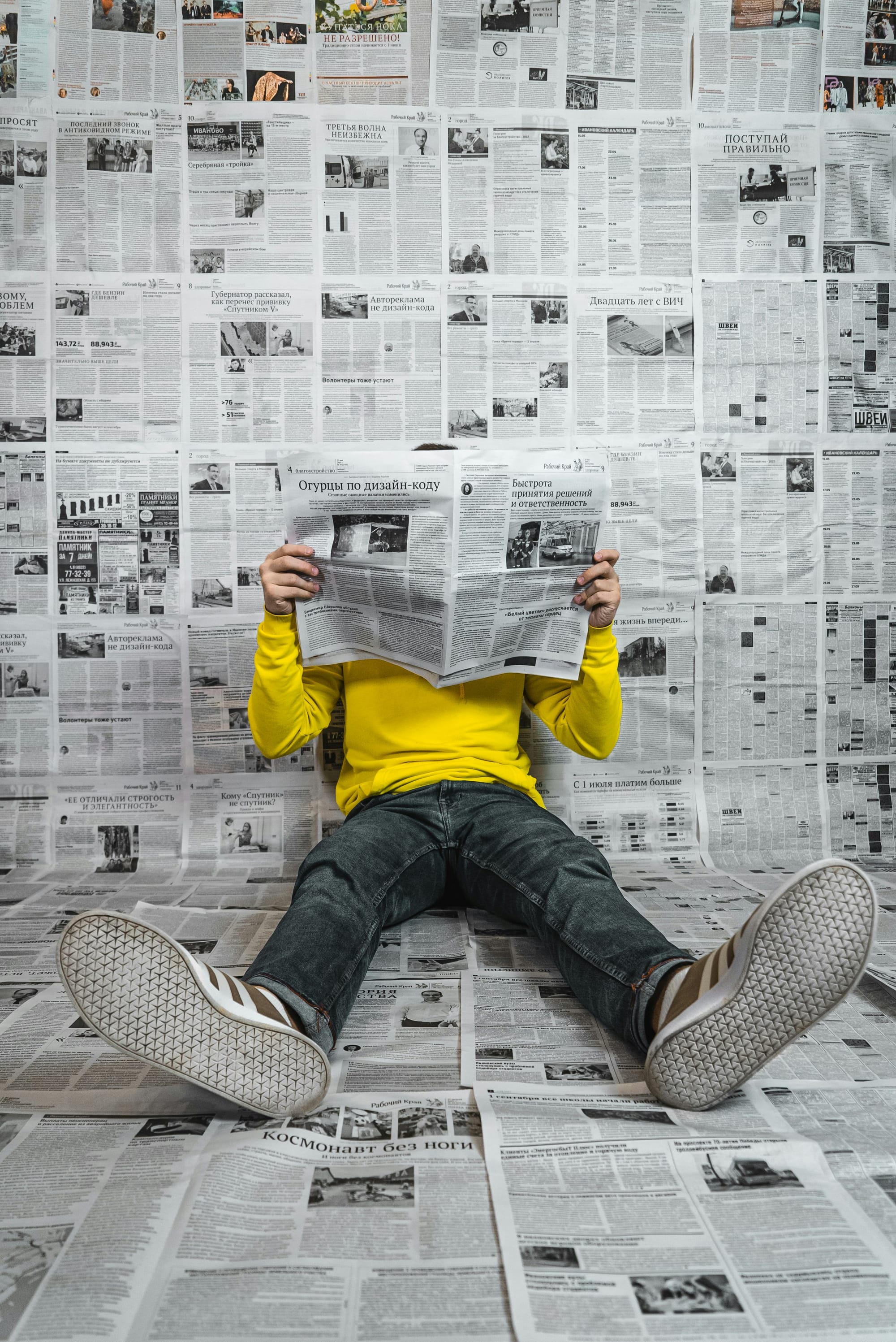
Photo by on Unsplash








Leave a Comment