
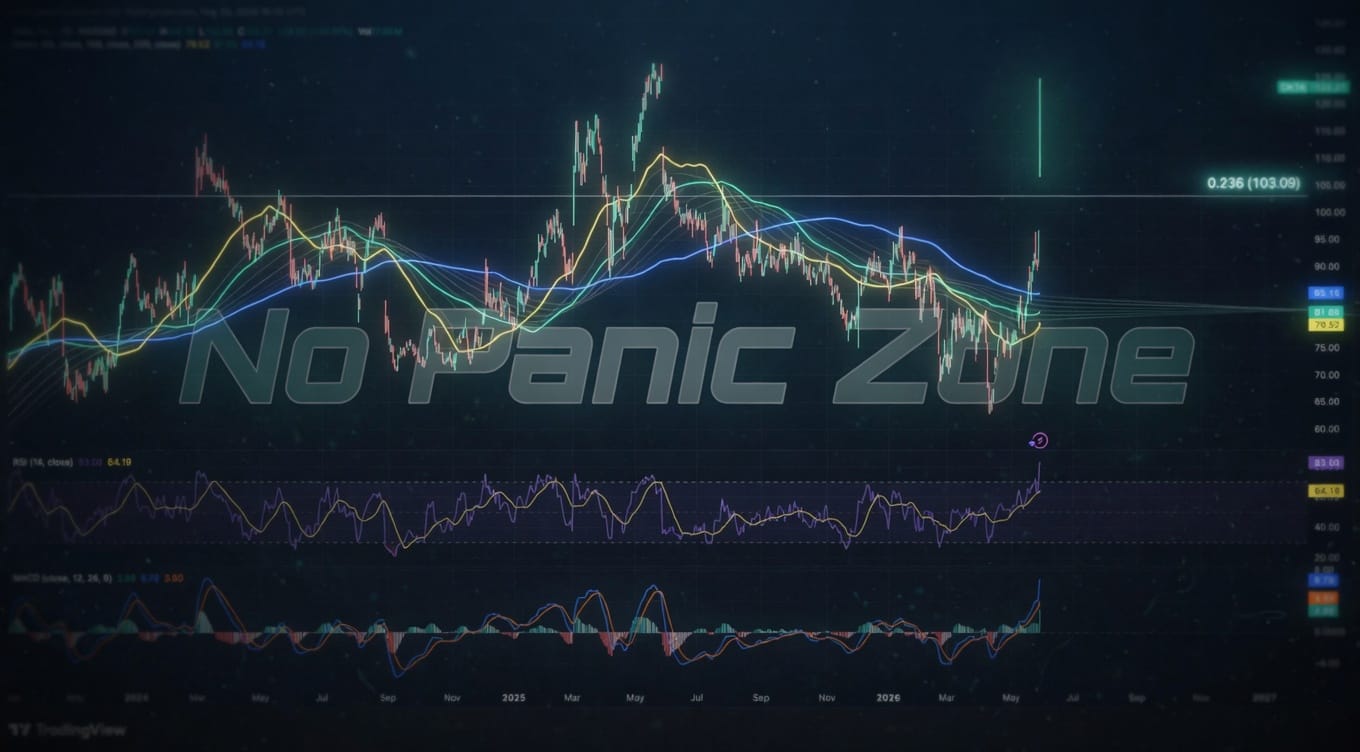
Kevin Warsh held his first rate decision meeting Wednesday and immediately formed task forces to overhaul Federal Reserve operations. The chart didn't move. Nobody knows what operations need overhauling. Nobody asked.
Task forces are what happens when an organization wants credit for solving a problem without actually solving the problem. You announce the formation. You staff it with people who already have jobs. You meet quarterly. You produce a PowerPoint deck in eighteen months that recommends further study.
Warsh could have just made changes. He runs the place. But that would require knowing what changes to make, and making them carries risk. Task forces carry no risk. They're pure optionality. If something goes right, you say the task force found efficiencies. If something goes wrong, you say the task force is still gathering input from stakeholders.
Retail traders heard this news and immediately checked their portfolios to see if Jerome Powell's face had been permanently replaced on their mental dartboard. It had not. They do not understand that one Fed chairman is perfectly interchangeable with another, like replacing a broken printer with an identical model that will also jam every third page.
The rate decision itself happened. Rates stayed where they were or moved twenty-five basis points in some direction that will be fully priced out by next Tuesday. The S&P moved forty points on the announcement, then reversed thirty of them when someone read the actual statement, then reversed again when someone else pointed out the statement said nothing.
The task forces will meet in conference rooms with whiteboards and catered sandwiches, and in two years they will recommend the Fed keep doing exactly what it's been doing, except with a new logo and a slightly different org chart that puts Kevin's college roommate one level higher than he was before.
Photo by on Unsplash



Leave a Comment