

The United States and Iran stopped shooting at each other near the Strait of Hormuz. Ships can now pass through without exploding. Oil traders who spent the weekend building Excel models about supply chain apocalypse can delete those files.
Here's what happened. Military exchanges occurred. Fears mounted about global oil disruption. Then both countries agreed to knock it off. Commercial vessels resumed normal operations. The crisis lasted approximately seventy-two hours, which is coincidentally how long it takes most retail traders to lose money on geopolitical panic trades.
Every dipsh*t with a Robinhood account saw the weekend headlines and immediately started googling "how to buy oil futures" and "what percentage of global oil goes through Hormuz" as if that information would help them time anything correctly. They couldn't. The pause happened before markets opened Monday. Their research was obsolete before their first sip of coffee.
The Strait of Hormuz carries about 21 million barrels of crude per day. That's a real number. It matters to actual oil companies with actual ships. It does not matter to someone trading USO calls from a studio apartment because they read a tweet about Iranian gunboats. Those are different activities.
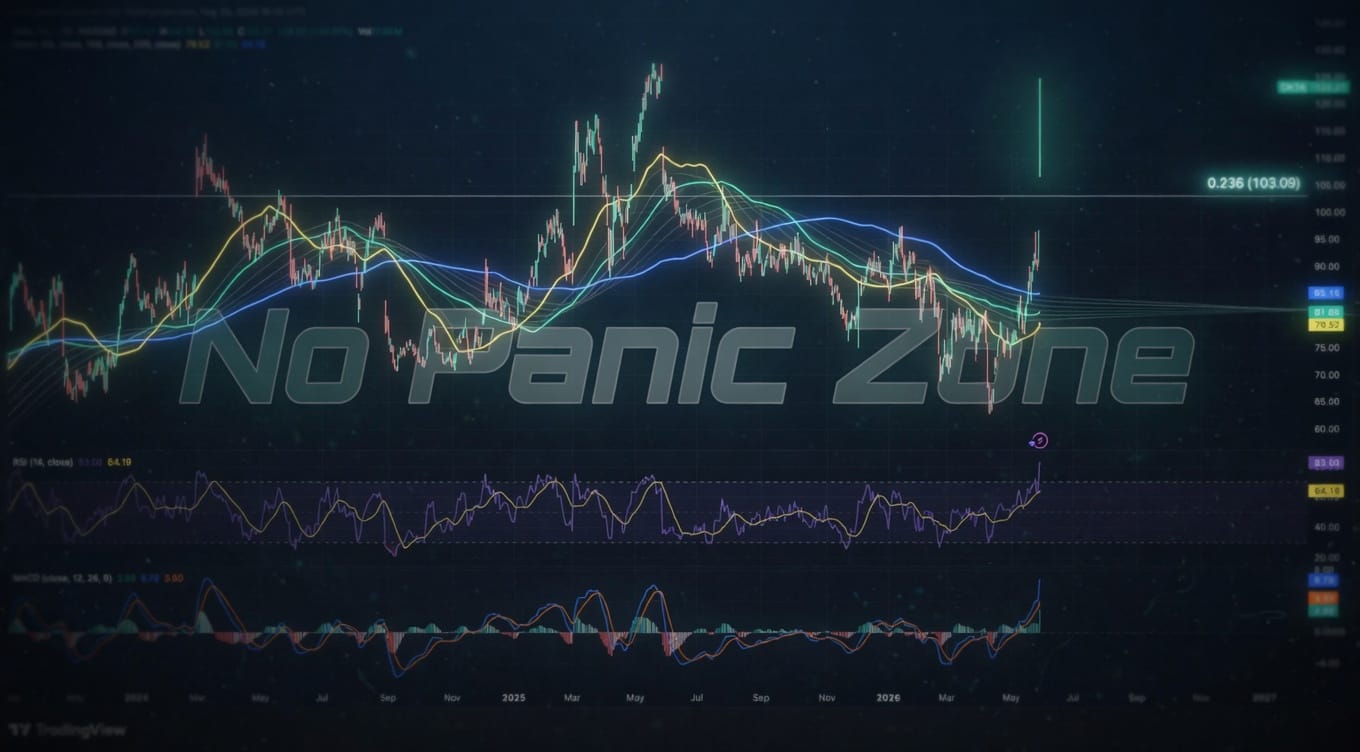
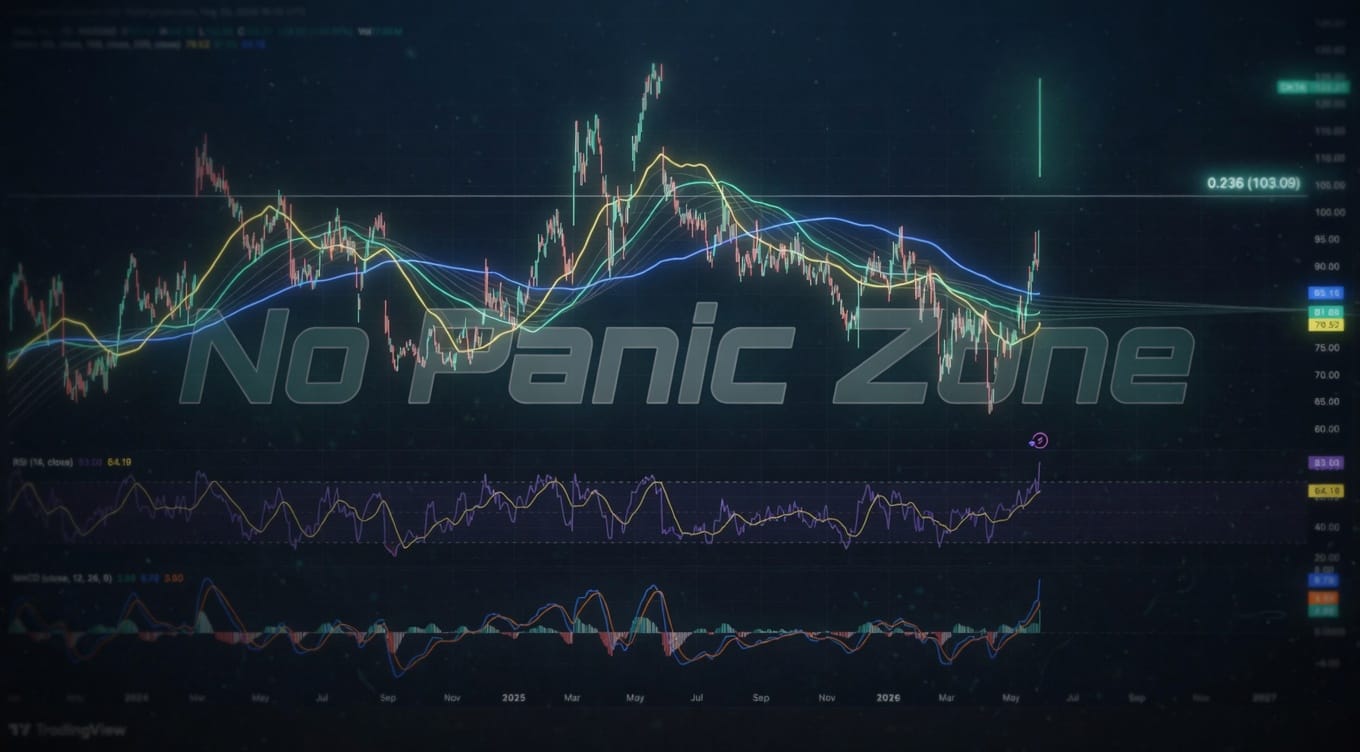
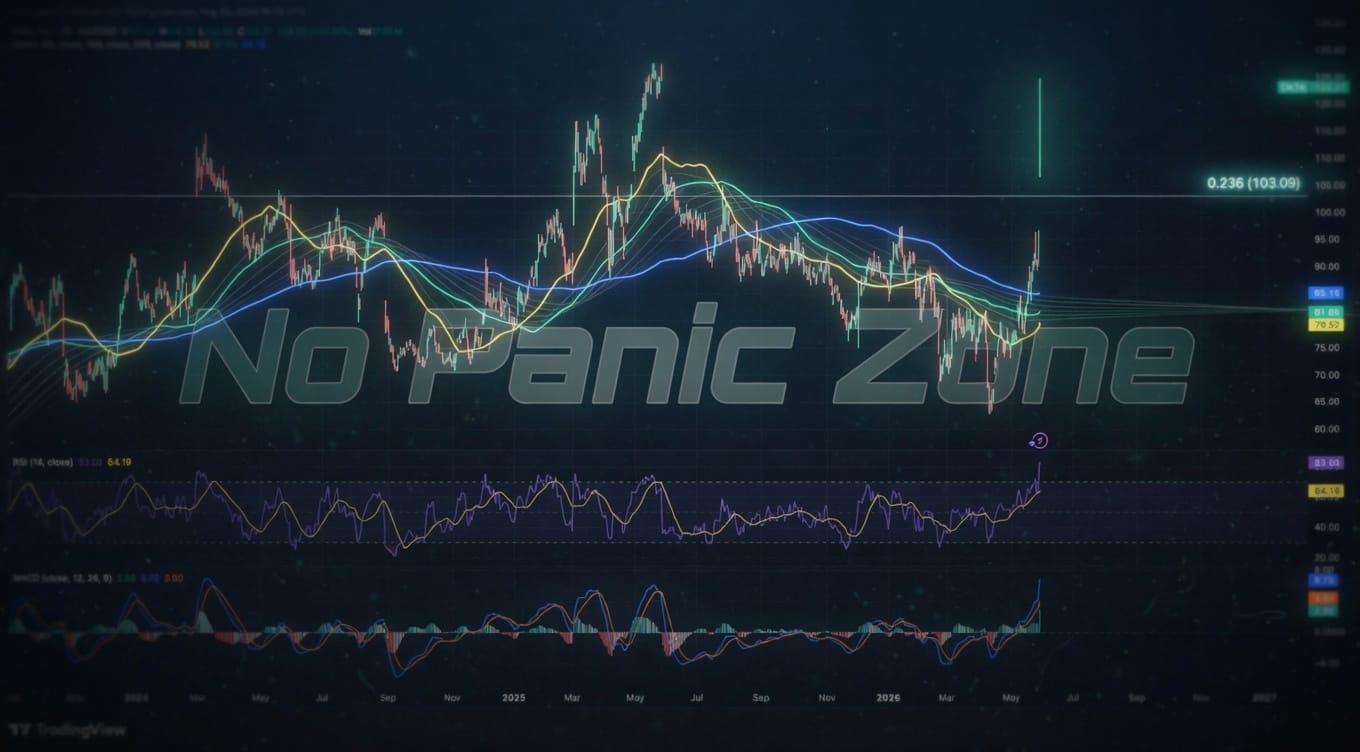
Technical analysts don't care if the strait closes permanently or turns into a water park. Support and resistance levels remain unchanged by the presence or absence of military conflict. A trendline drawn three months ago does not redraw itself because two countries decided to pause hostilities. The chart is the chart.
Retail traders will now spend this week explaining to themselves why they didn't catch the geopolitical de-escalation trade, as if that's a repeatable strategy and not just gambling with extra steps and a Bloomberg Terminal screenshot. They'll be ready next time. Next time they'll definitely predict when sovereign nations will stop fighting. Next time they'll read the right Twitter thread at the right moment. Next time their stop-loss won't trigger at the exact bottom.
Next time the Strait of Hormuz will stay closed and their puts will print and they'll retire to Bali and everyone will clap.
Photo by on Unsplash



Leave a Comment