
The United States and Iran agreed to stop shooting at each other near the Strait of Hormuz. Commercial shipping resumed. Oil traders who spent the weekend building spreadsheets about supply chain Armageddon can delete those files now.
Hormuz handles about 21 million barrels of oil per day. That's roughly a third of seaborne crude. The weekend featured military exchanges. Then both sides decided they'd rather not find out what happens when you close the world's most important oil chokepoint. Brave stuff.
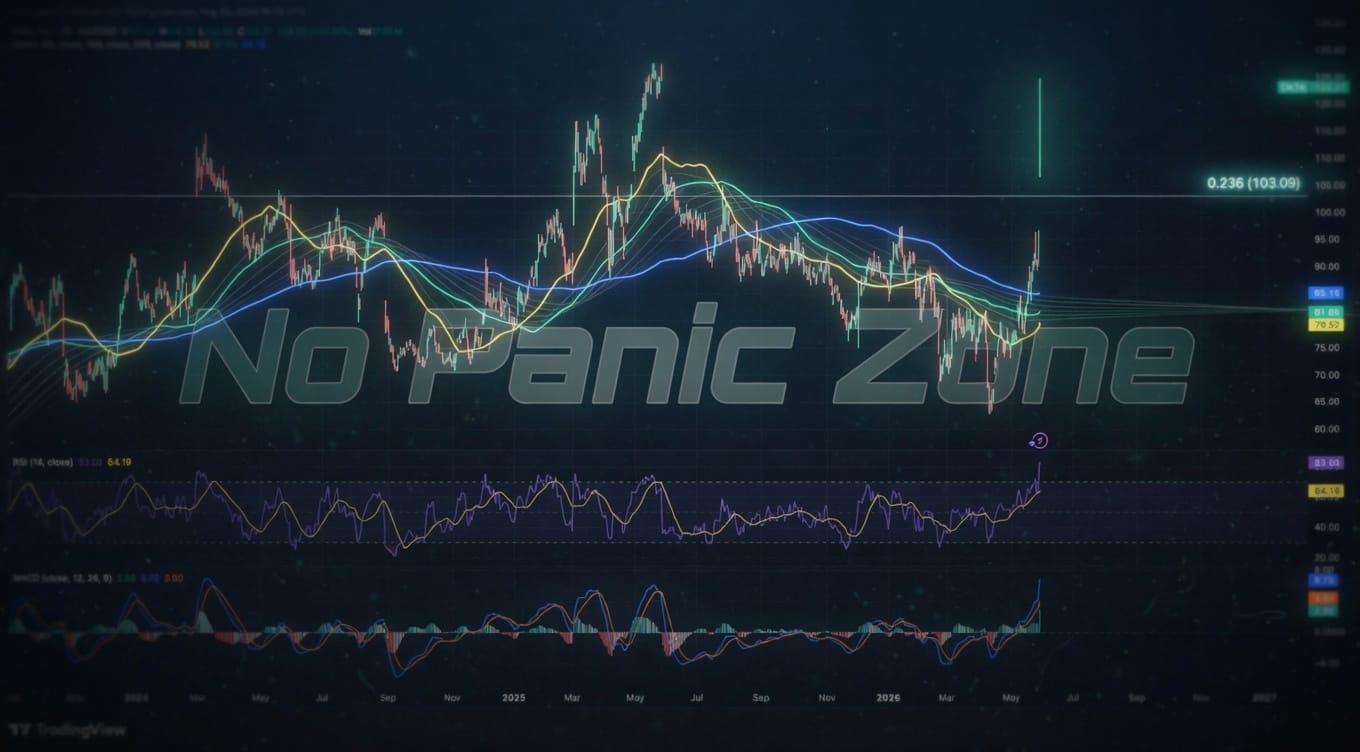
Retail traders saw the clashes and immediately began constructing narratives about $200 oil. They bought energy ETFs at Monday's open. The pause was announced six hours later. Those positions are now underwater. The technical setup never changed. Support held exactly where it always holds. Resistance did what resistance does.
Iran and the U.S. have been doing this dance since 1979. They escalate. They pause. Shipping stops. Shipping resumes. The pattern repeats with the reliability of a metronome. Yet every single time, someone treats it like unprecedented breaking news that will reshape global markets forever.
The Strait of Hormuz is 21 miles wide at its narrowest point. Closing it would require sustained military action neither side wants. Opening it requires both sides to stop pretending they want sustained military action. This is not complicated.
Commercial vessels are moving freely again. Oil prices will do whatever they were going to do anyway. The weekend's drama changed nothing about supply. It changed nothing about demand. It gave cable news something to yell about for 48 hours.
Somewhere right now a day trader is convinced he would've timed this perfectly if only he'd seen the news faster, as if geopolitical brinksmanship operates on a schedule you can chart with Fibonacci retracements.
Photo by on Unsplash



Leave a Comment