
Investors and economists are deliberating. That's the word they're using. Deliberating. As if Iran and the U.S. haven't been doing this exact dance every eighteen months since 1979.
The article promises to tell you which parts of the stock market and economy could be affected. Could be. Not will be. Not are. Could be. This is the financial journalism equivalent of a fortune cookie that reads "Something might happen eventually."
Here's what actually occurs every time this headline runs: Oil stocks jump because someone remembered oil comes from places. Defense contractors get a bump because missiles cost money. Then some CNBC contributor in a purple tie explains why this time is different. It never is.
Retail traders will now spend the week googling "Iran ETF" and buying shares of companies they cannot pronounce while their technical indicators show absolutely nothing useful about geopolitical risk. The VIX will spike. Someone will tweet about the Strait of Hormuz. A guy named Brett will explain to his coworkers that he's been "hedging Middle East exposure" since last Thursday.
Brett has no hedges. Brett bought call options on an oil stock because it was cheaper than buying the actual shares. Brett does not know what a hedge is.
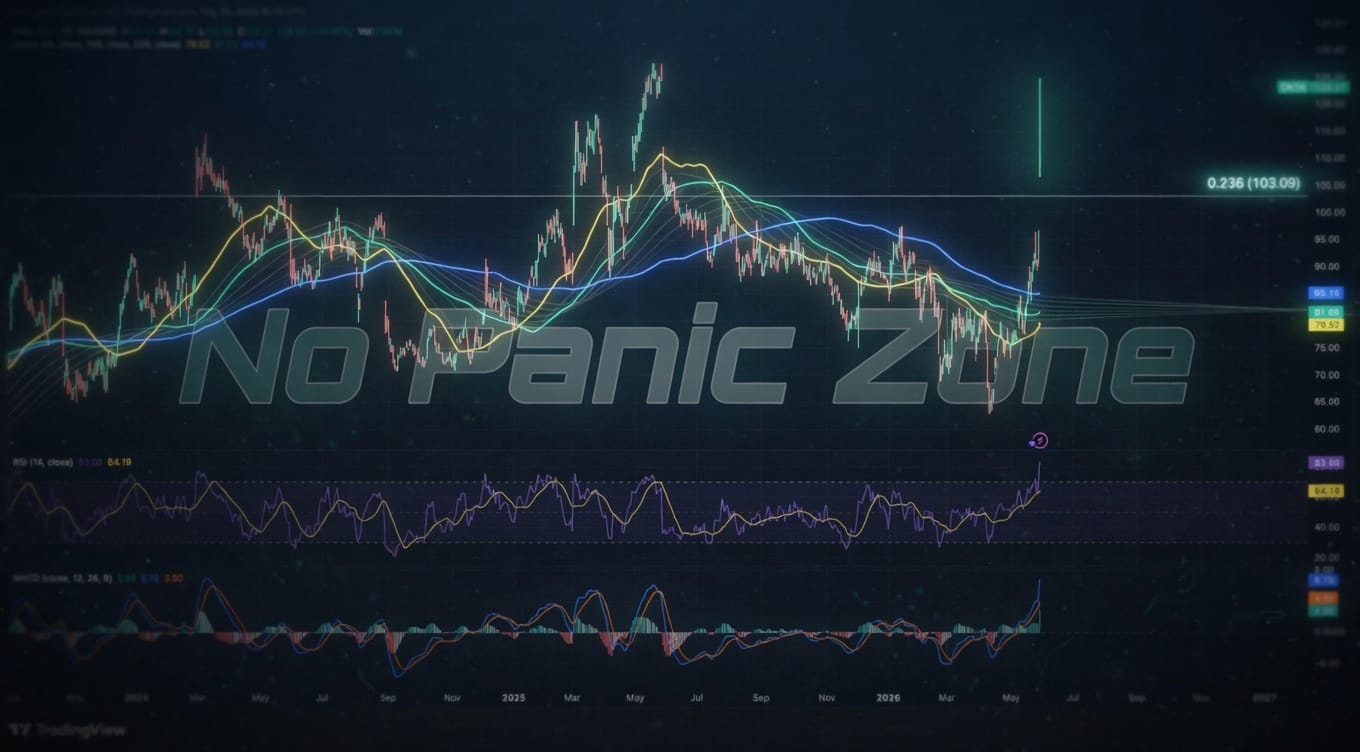
The exchange in hostilities will mean exactly what it always means: talking heads will talk, traders will trade, and in six weeks the market will be exactly where it would have been anyway because none of this noise moves the actual trend. Your 200-day moving average doesn't give a f*ck about Iran.
The parts of the economy that could be affected are the same parts that could be affected by a Taylor Swift album drop or a disappointing jobs report: all of them and none of them, depending on which narrative sells ads that day.
Photo by on Unsplash



Leave a Comment