

Kalshi traders have placed bets that gas prices will hover above $3.50 on Election Day. They've assigned this outcome a 75% probability. Their reasoning ties directly to U.S.-Iran tensions, which apparently control the entire global oil market now.
The same people who couldn't predict their own credit card bill are now geopolitical analysts. They watched one news segment about the Strait of Hormuz and decided they understood supply chain disruptions. These are the minds behind a 75% probability.
Gas prices move based on refinery capacity, seasonal demand, strategic petroleum reserves, OPEC production quotas, and roughly forty other variables that would require actual research to understand. But sure. Iran tensions. That'll do it.
The platform doesn't reveal how much money sits behind this 75% figure. Could be ten guys who bet their lunch money. Could be one guy who bet his lunch money ten times. The number looks authoritative on a screen, which is the only thing that matters to someone scrolling through prediction markets at 2 AM.
Election Day gas prices have decided exactly zero elections, but the trading continues. Every headline about Tehran gets another wave of action. The traders feel smart. They're reading the news. They're connecting dots. They're building a portfolio around the idea that pump prices in Nebraska correlate perfectly with diplomatic cables from the Middle East.
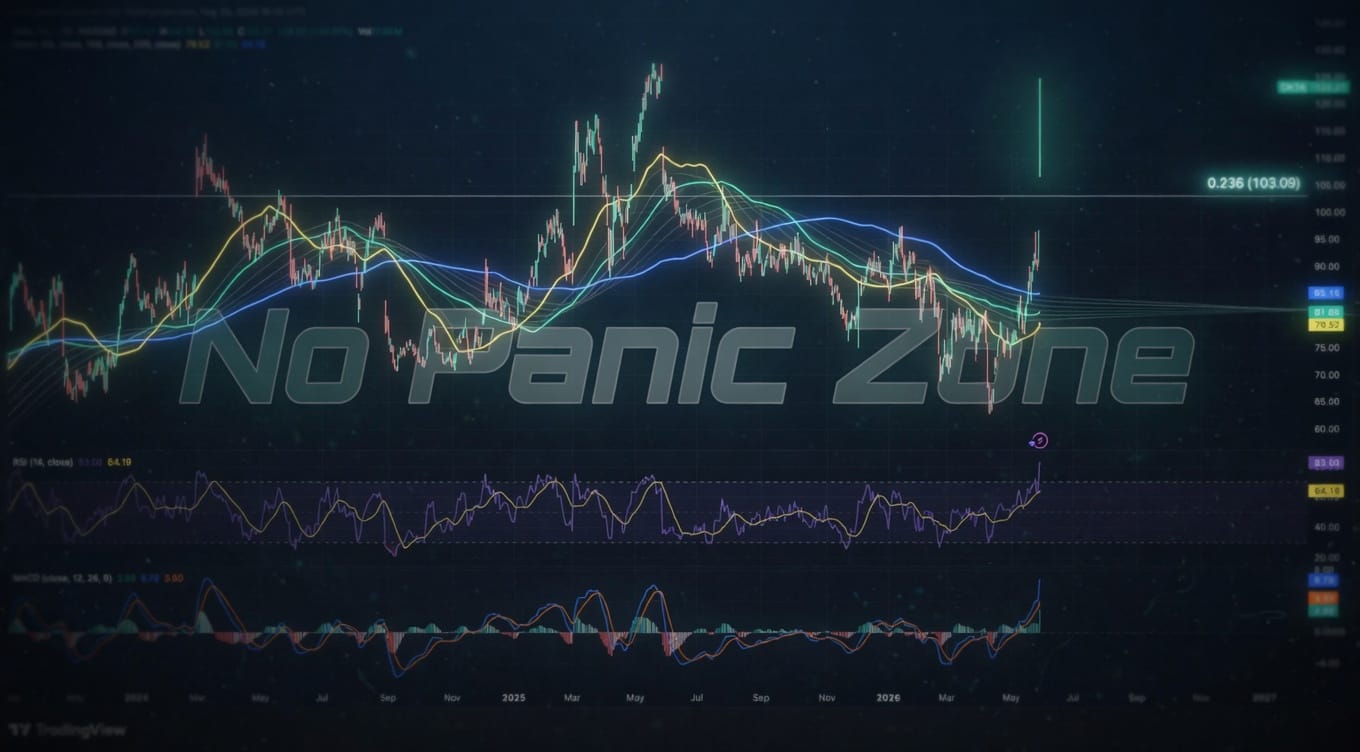
The technical analysis here is bulletproof: things that go up might stay up, unless they go down, in which case the traders will find a new headline to explain why they were right all along.
Somewhere, a guy just put his kid's birthday money on $3.51 gas because he saw a TikTok about aircraft carriers.
Photo by on Unsplash




Leave a Comment