

South Korea's market drops. American investors watch it like a f*cking weather vane. The thesis goes like this: Korean stocks fall first, then U.S. stocks follow. Korean stocks recover, U.S. stocks tag along. We've outsourced leading economic indicators to a country most retail traders couldn't find on a map if you spotted them the continent.
The sell-off is subsiding. Investors are calling this good news. They're treating the KOSPI like it's some kind of financial North Star instead of what it actually is: a collection of Samsung shares and whatever else they've got over there. Hyundai probably. Maybe some steel companies. Doesn't matter. The chart went down and now it's going sideways so everyone's writing articles about correlation.
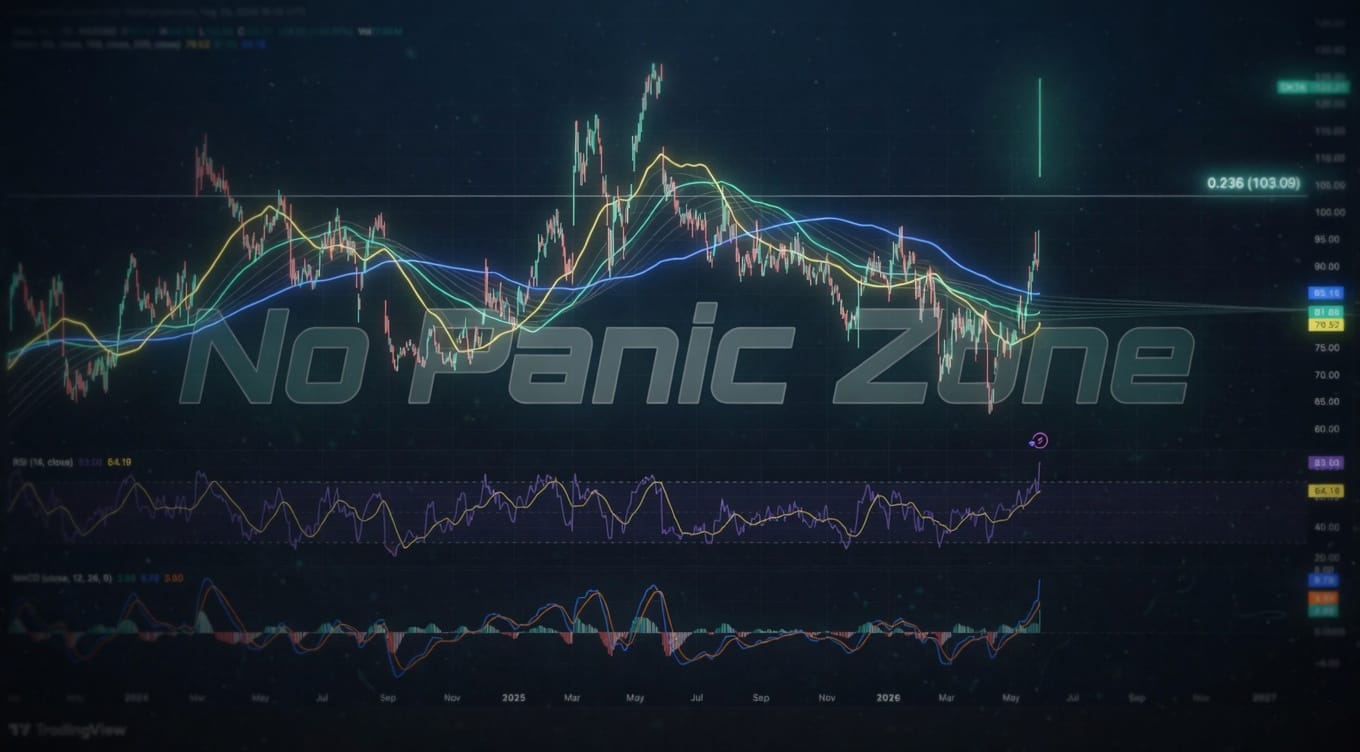
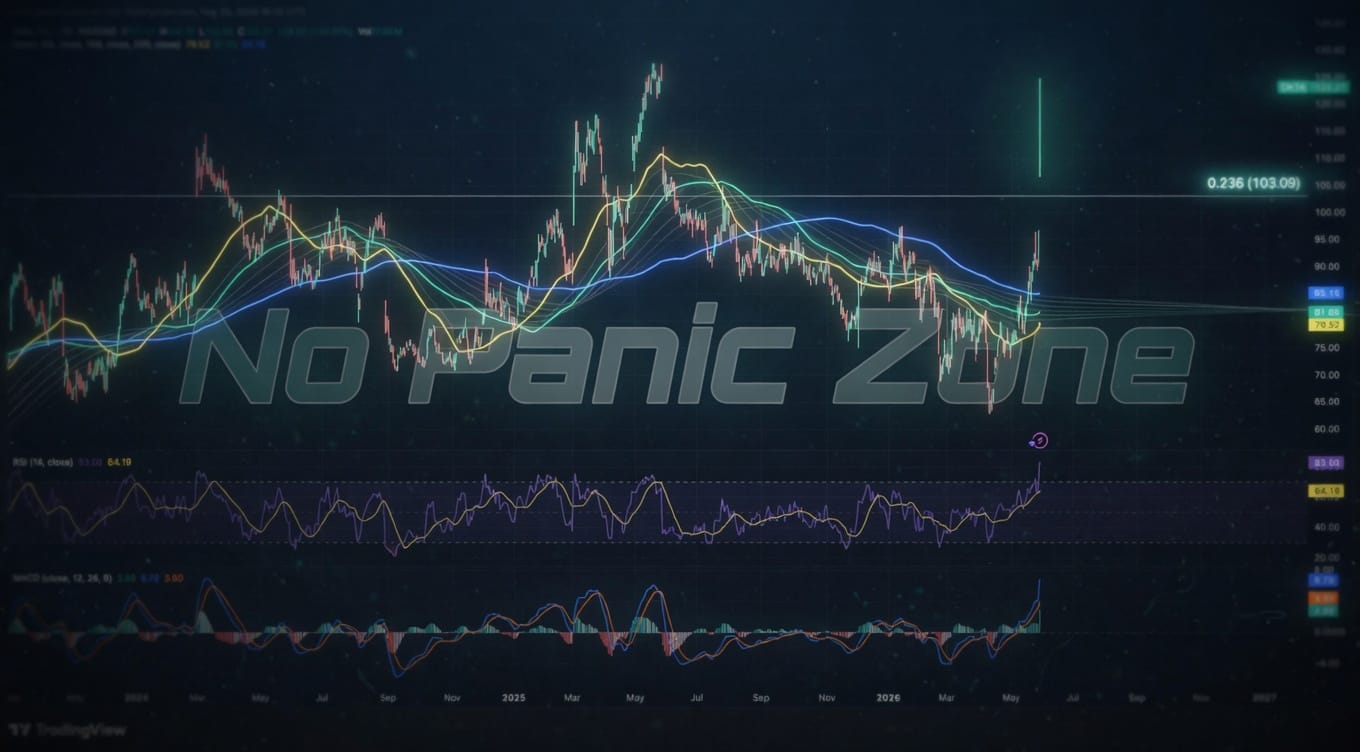
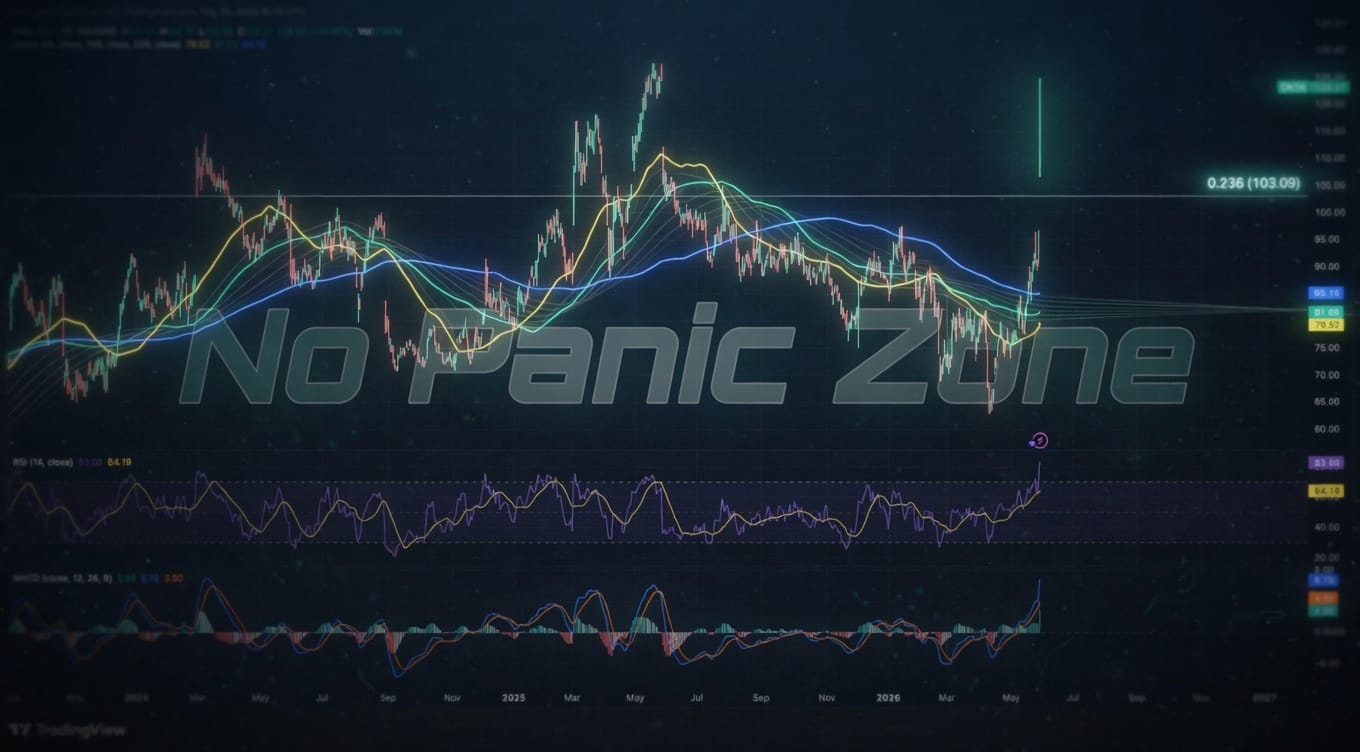
Here's the part where I'm supposed to explain why Korean markets lead U.S. markets. Time zones maybe. Export data. Manufacturing indices. Some dipshit on FinTwit will tell you it's about semiconductor supply chains and global risk appetite. He'll have a chart with fourteen moving averages and a Fibonacci retracement that looks like someone sneezed on a seismograph.
None of it matters. Korean stocks went down because stocks go down. They're coming back up because stocks go up. The fact that American markets might follow has nothing to do with causation and everything to do with the fact that all stocks everywhere do the same stupid thing eventually. They oscillate. They mean-revert. They chop around until everyone who bought calls and puts on the same day is broke.
But sure. Watch Korea. Set your alerts. Draw your trendlines from Seoul to New York. Convince yourself you've found the secret. The KOSPI will save your portfolio because you're smart enough to spot the pattern that thousands of algorithms and billions in institutional capital somehow missed.
Spoiler: Korea doesn't give a sh*t about your Robinhood account.
Photo by on Unsplash



Leave a Comment