

Megacap earnings and a Fed meeting arrive next week. The stock market sits on edge. Financial media acts like this is new information.
Companies report quarterly numbers four times per year. The Federal Reserve meets eight times per year. Both events appear on publicly available calendars months in advance. Traders respond to this scheduled information as if Jerome Powell just texted them at 3am.
The "hurdles" mentioned in the summary are not hurdles. They're regularly scheduled corporate and governmental obligations that occur with the predictability of a divorced dad's every-other-weekend custody arrangement. Apple will report revenue. Microsoft will report revenue. The Fed will either raise rates, lower rates, or keep them the same. These three outcomes represent the entire possibility space.
Retail traders will check their portfolios forty-seven times on Monday. They will read seventeen articles about what the Fed "might" do. They will watch four YouTube videos with thumbnails showing red arrows pointing down. Then they will make whatever decision they were going to make anyway, but now with the confidence that comes from consuming content.
The market is "on edge" because financial journalists need to write something between now and the actual events. Can't just publish blank space with a note saying "check back Wednesday." That would be honest. Honesty doesn't generate sufficient engagement metrics.
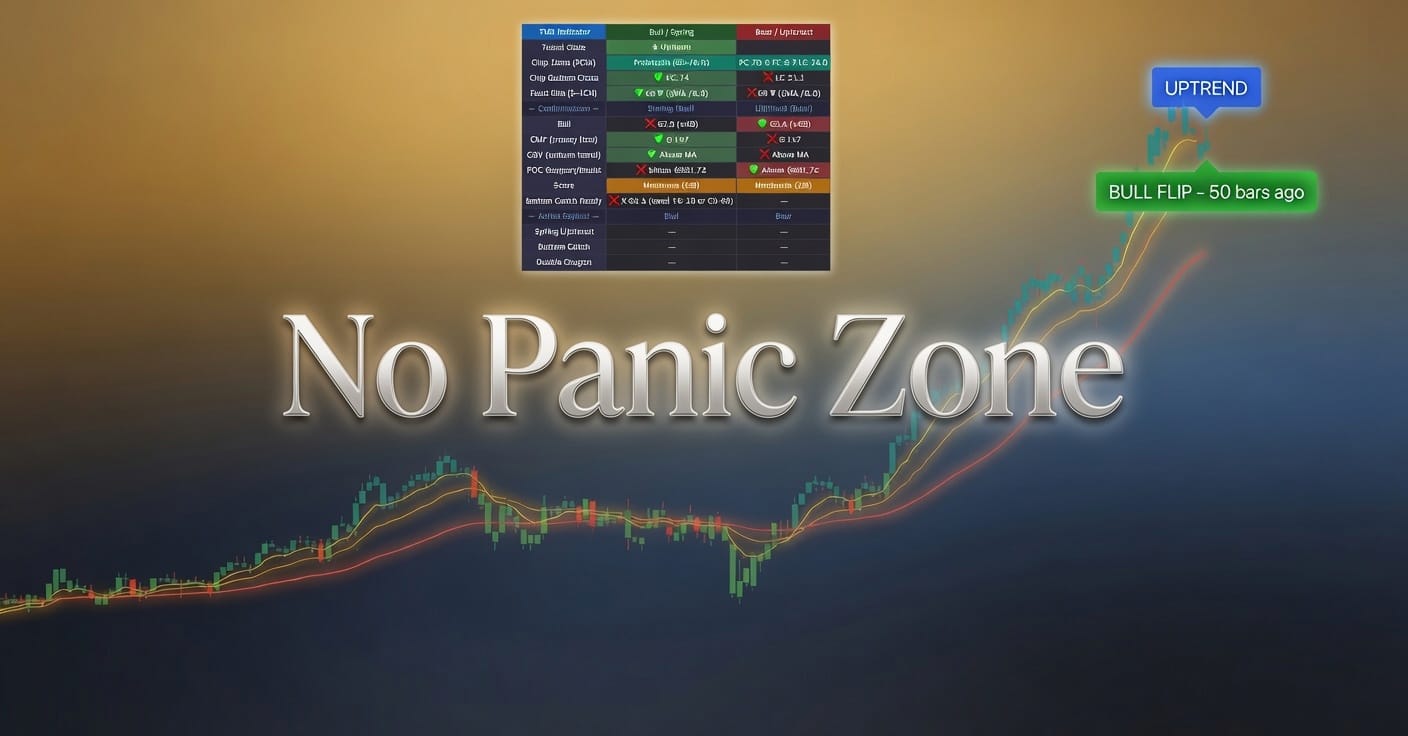
Technical analysts already know what happens next week. The stock market goes up, down, or sideways. Then everyone pretends the earnings and Fed decision caused it. Then we do this again in three months.
The only test here is whether retail can survive another week of scheduled events without liquidating their portfolios based on a CNBC chyron.
Photo by Tech Daily on Unsplash




Leave a Comment