

Micron leads a tech sell-off and analysts scramble to explain why their fundamental thesis collapsed in forty-eight hours. The answer arrives in the form of technical analysis, that thing everyone pretends doesn't work until their stock picks eat sh*t.
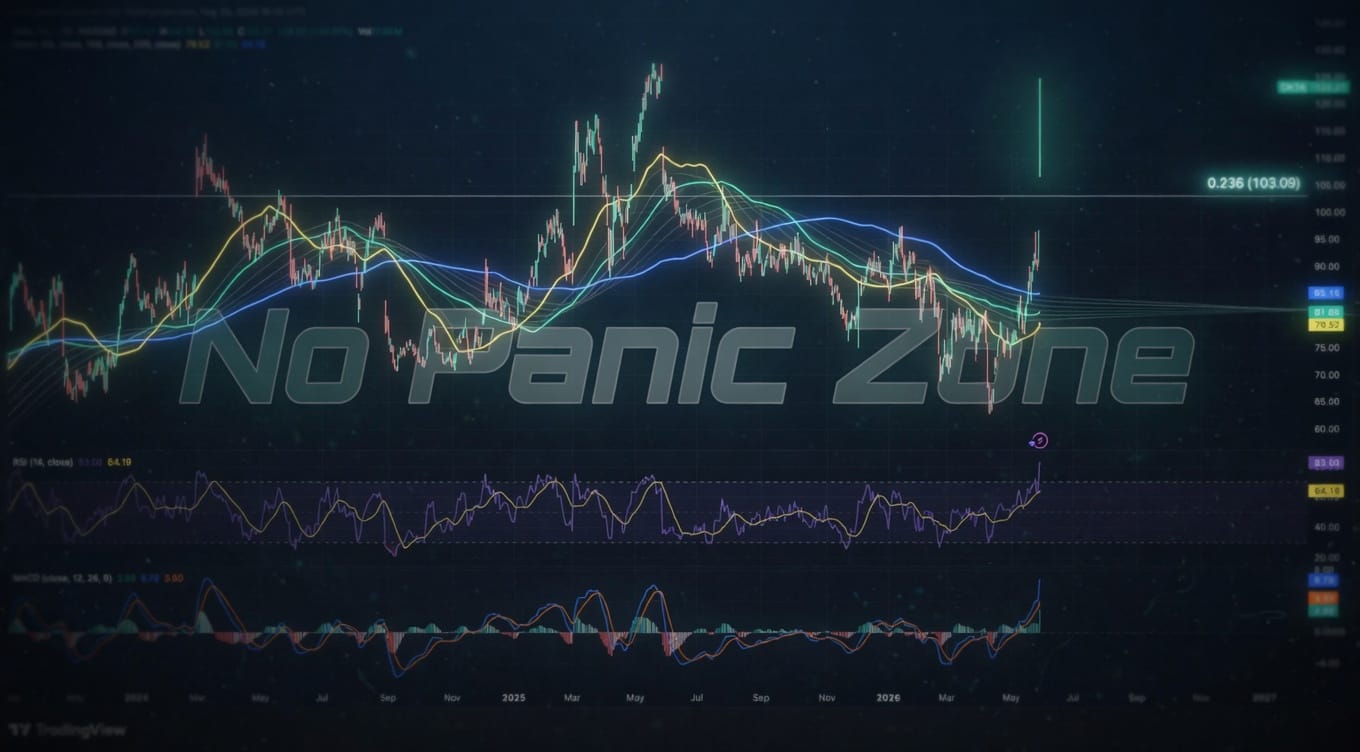
Charts show support levels. Charts show resistance. Charts show that retail traders bought Micron at the top because a guy on YouTube said AI chips would print money forever. The secular bull market narrative works great until you check the actual price action and notice your portfolio bleeding out.
Longer-term trends supposedly help us rise above near-term noise. Translation: ignore the fact that you're down twelve percent this week and focus on a trendline from 2023 that may or may not matter. The next big catalyst will save you. It always does. Except when it doesn't.
Technical analysts love talking about catalysts after the stock already moved. Before the drop they had nothing. After the drop they point to obvious patterns and act like prophets. A support level breaks and suddenly every chart wizard on Twitter knew it would happen. They just forgot to tweet about it beforehand.
The big tech sell-off continues and investors realize fundamentals never mattered as much as they thought. Micron makes memory chips. Memory chips power AI. AI is the future. The stock still tanks because someone drew a line on a chart and decided twenty dollars ago was a better entry point.
Retail bought the AI-driven bull market story with both hands. They read articles about secular trends. They ignored the charts because lines on graphs are for people who can't understand disruption. Now they're underwater, refreshing their brokerage app, wondering which catalyst comes next and whether it arrives before their margin call.
The charts showed everything. Nobody looked until it was too late to matter.
Photo by Brecht Corbeel on Unsplash



Leave a Comment