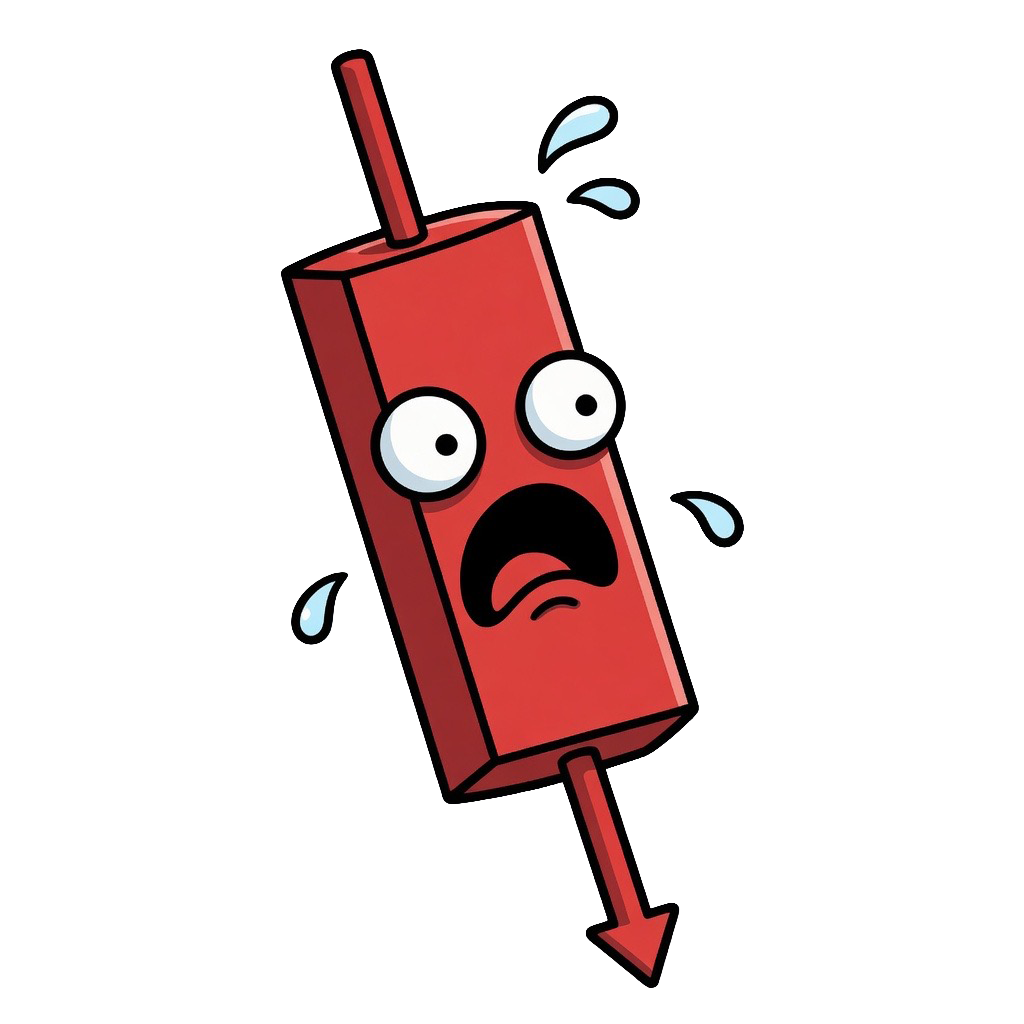

The stock market ignored a U.S.-Iran war for weeks. Stayed flat. Didn't flinch. Retail traders kept buying tech stocks like bombs were just a weather pattern.
Then oil hit $100 per barrel on Thursday. Equities collapsed. The same war that was background noise became front-page crisis material because now it costs more to fill up a Dodge Ram.
This is what passes for geopolitical analysis in 2026. War is irrelevant until it shows up at the gas pump. Missiles flying over the Persian Gulf? Priced in. Crude crossing triple digits? Panic button time. The market spent two weeks pretending the Middle East was a fictional region that only existed in history textbooks, then remembered that tankers actually have to pass through the Strait of Hormuz to deliver the shit that makes their cars go.
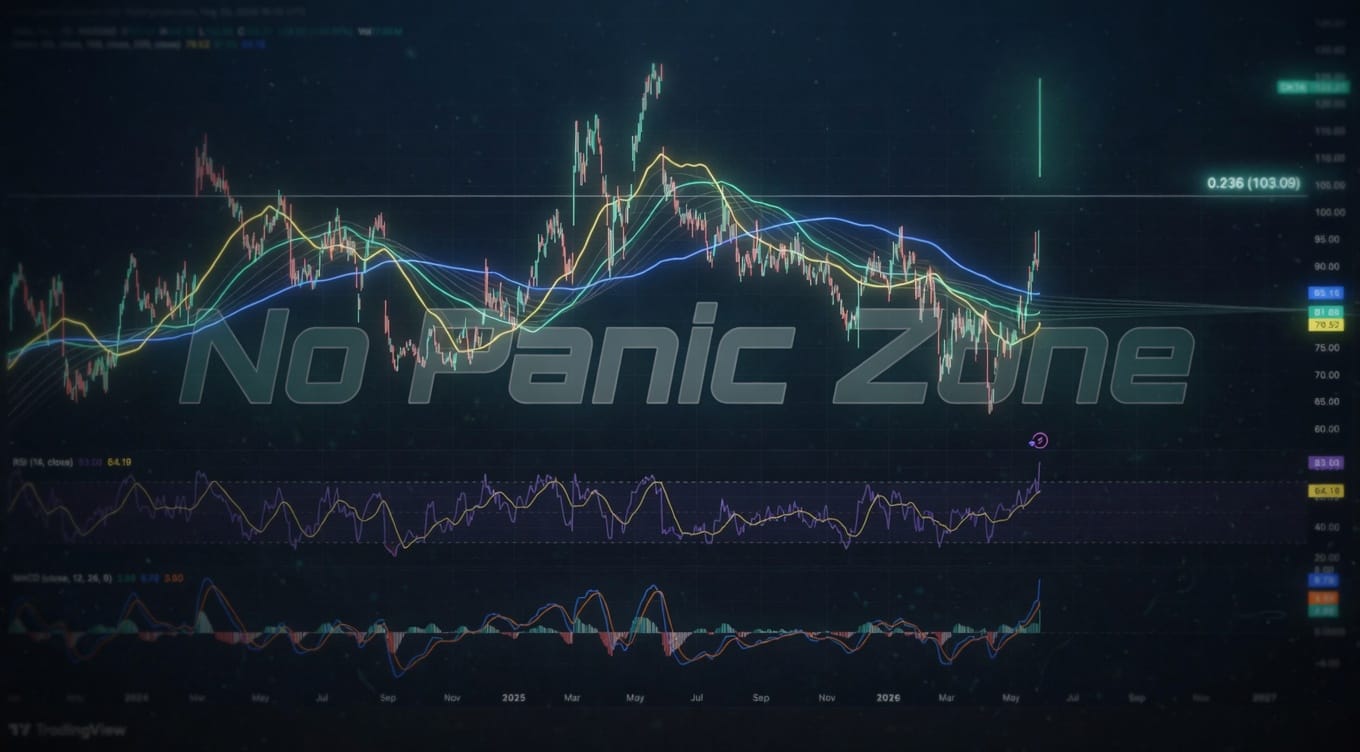
Every technical indicator said buy the dip. Every chart pattern screamed bullish continuation. Then oil traders woke up and decided that active warfare in the region that supplies a third of the world's seaborne crude might actually matter. Groundbreaking stuff.
Retail accounts watched their portfolios bleed out while CNBC explained that energy costs affect corporate margins. This information was apparently news. The same people who spent January buying AI stocks at 87 times sales were suddenly concerned about supply chain fundamentals because diesel got expensive.
The headline says the market is shortsighted. That's generous. Shortsighted implies it was looking at something. This was willful blindness with a subscription to Robinhood Gold.
Oil's been climbing for three weeks while every momentum trader convinced themselves it was transitory. War's been escalating since February while algos kept buying dips like the Strait of Hormuz was a highway in Nebraska. Now everyone's shocked that $100 oil matters.
Turns out you can ignore a war right up until you can't afford to drive to Costco to panic-buy during the next one.
Photo by Markus Spiske on Unsplash




Leave a Comment