

U.S. crude dropped below $70 after a cargo ship got hit near Oman. Markets saw violence in a key shipping lane and decided this was bearish. Makes perfect sense if you've suffered repeated head trauma.
The logic chain goes like this: attack happens in Persian Gulf, traders worry about Middle East conflict escalating, oil falls. Not rises. Falls. Because when supply routes get attacked, the thing being shipped obviously becomes less valuable. This is the same crowd that buys high and sells low, then blames algorithms.
Oil extended declines on Friday. Extended. As if the first decline wasn't enough of a self-own. The summary mentions markets focused on "any further breakthroughs in the Middle East conflict" while absorbing "a flurry of Persian Gulf news." A flurry. Like it's f*cking snowing geopolitical risk and everyone's building crude oil snowmen.
Here's what actually happened: some headline-reading bot saw the word "attack" and sold. Then another bot saw the price drop and sold. Then Kyle with his Robinhood account and three shares of USO saw both bots selling and panic-clicked market order at 3:47 PM on a Friday because he suddenly remembered something about shipping lanes from a TikTok.
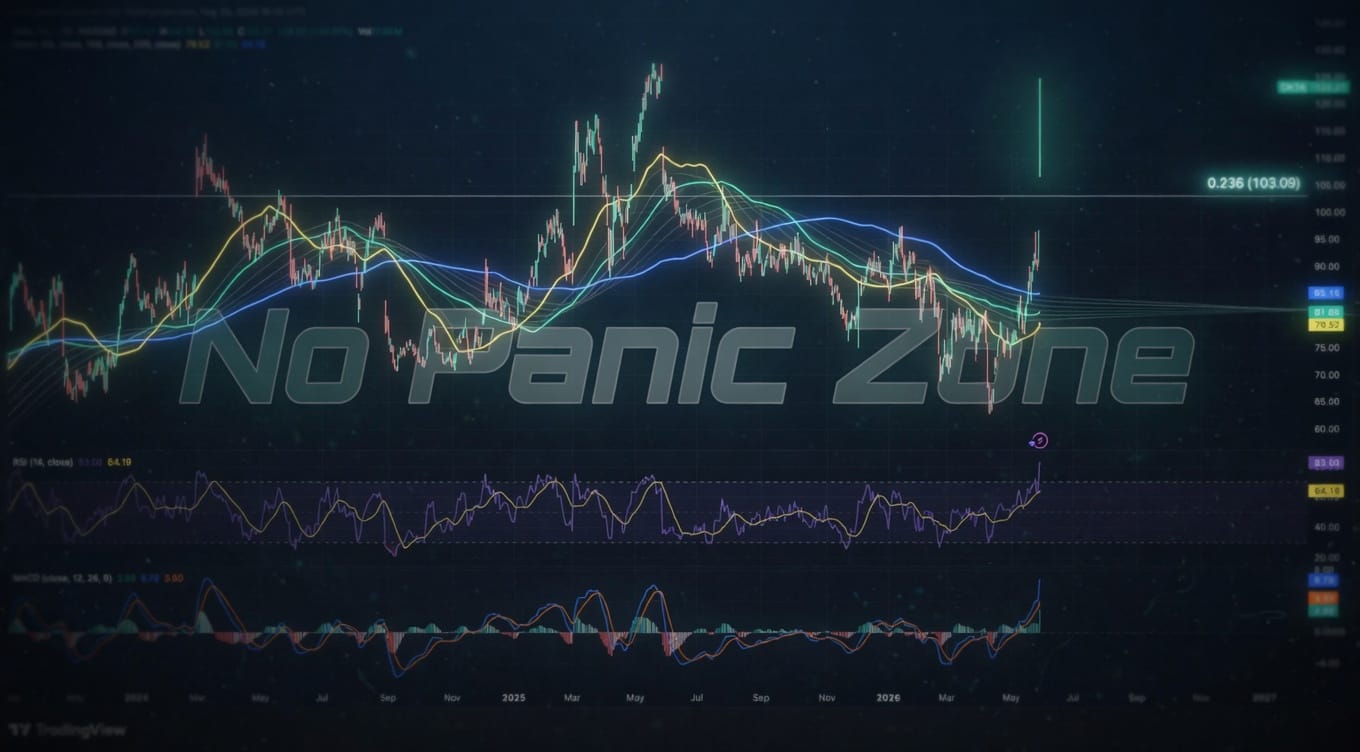
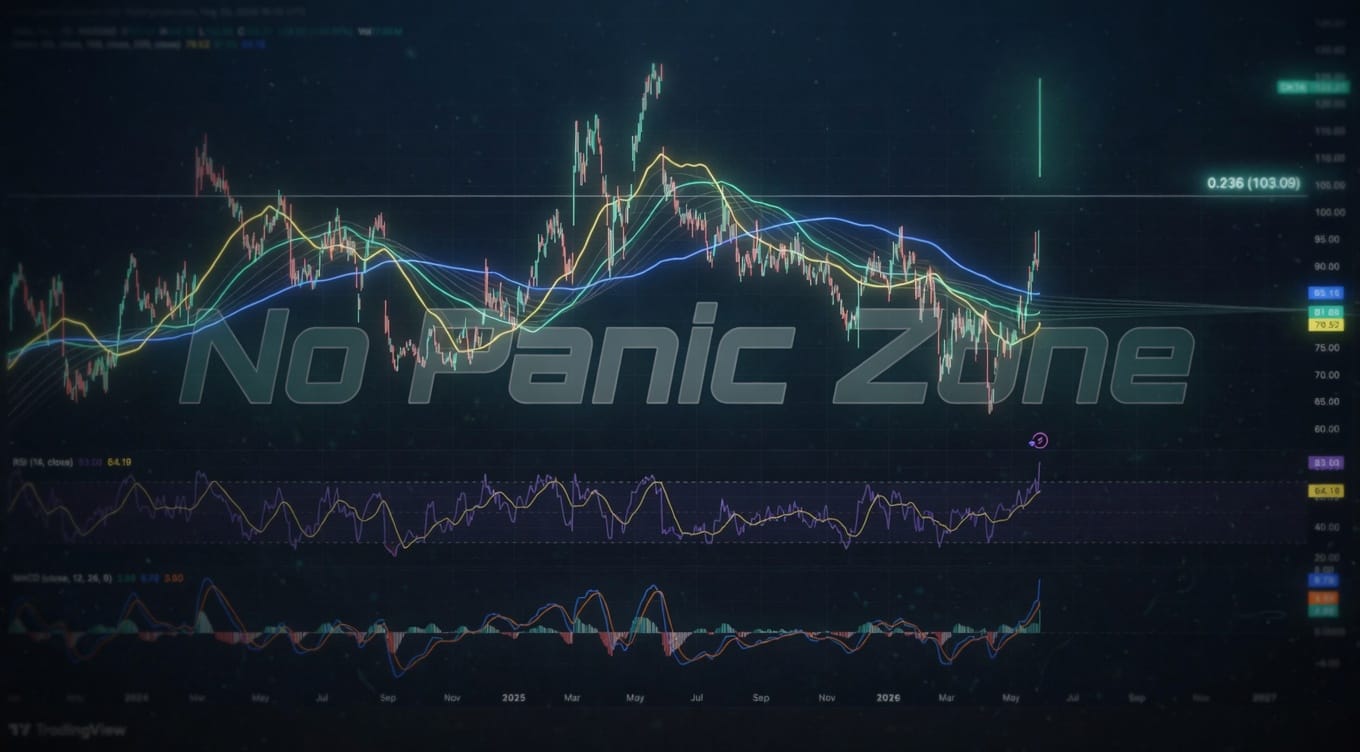
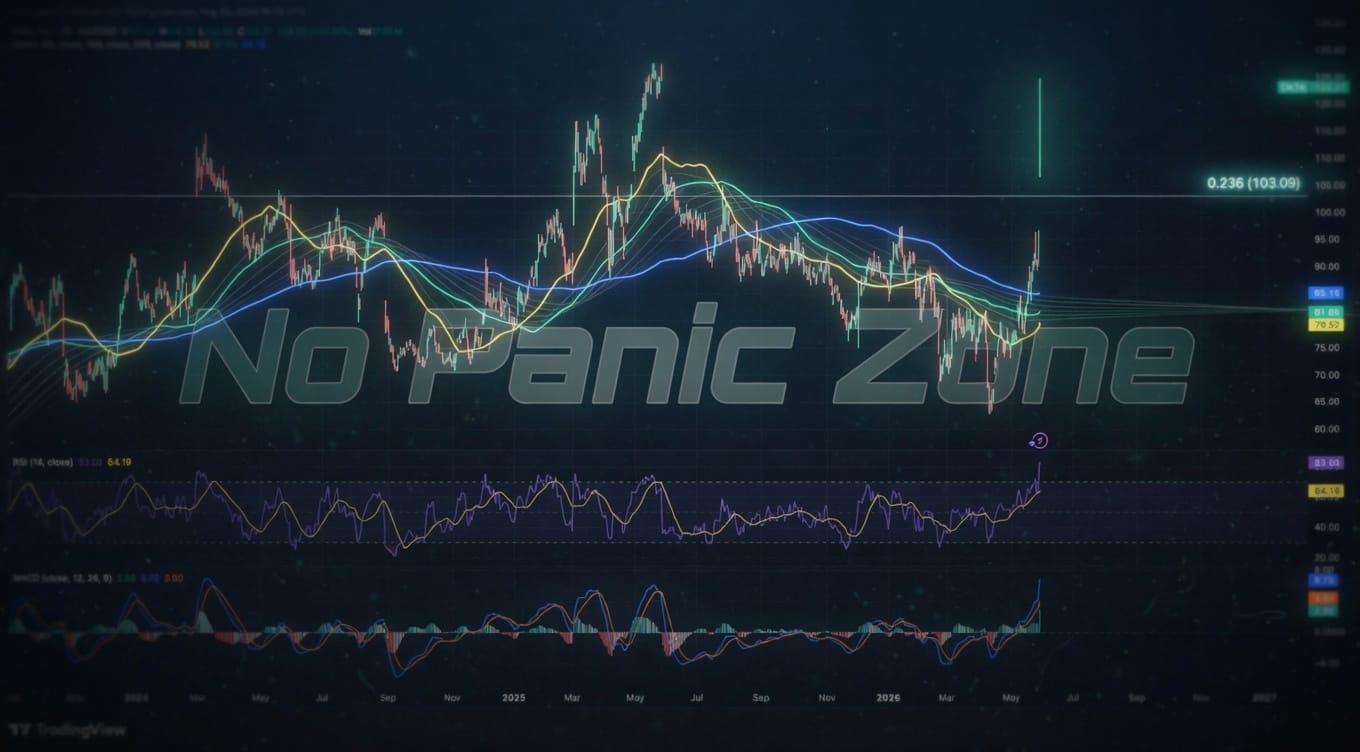
The technical picture doesn't care about cargo ships. The 200-day moving average doesn't read Reuters alerts. Support and resistance levels weren't formed by Middle East peace negotiations. They were formed by people clicking buttons, and those people will click different buttons on Monday when they remember that attacked shipping lanes generally make oil harder to move, not easier.
But sure, let's all pretend fundamentals matter now, right after we spent six months watching crude ignore every OPEC production cut like they were Linkedin connection requests.
Photo by on Unsplash



Leave a Comment