

The 10-year Treasury yield might hit 5%. Might not. Either way, some analyst decided this number carries psychological significance for the stock market.
Psychological significance. That's what we call it when a round number makes retail traders feel something. The yield hits 4.9% and everyone's fine. Hits 5.0% and suddenly it's a crisis. The extra tenth of a percentage point didn't change the math. Changed the vibes though.
Here's the benchmark yield's actual significance: none. Your calls expire worthless at 4.8% the same way they expire worthless at 5.2%. The bond market doesn't care about your feelings. Doesn't care about your chart patterns either.
But financial news needs a story. Can't just say "yields went up because bond prices went down." That's too simple. Too honest. So we get "could test 5%" which means absolutely nothing. Could test 6%. Could test 3%. Could do a backflip.
Testing a level implies the market is trying something. Like it's a student taking an exam. The 10-year yield isn't studying. Isn't nervous. Doesn't know you exist.
Every time a round number approaches, the articles multiply. The analysts emerge from their caves to explain why this particular integer matters more than the last one. They were wrong about 4% being the breaking point. Wrong about 3%. But 5%? This one's different. This one's psychological.
You know what else is psychological? Thinking financial news gives you an edge. Thinking "latest spike" means you should do something. Thinking any of this changes your actual strategy.
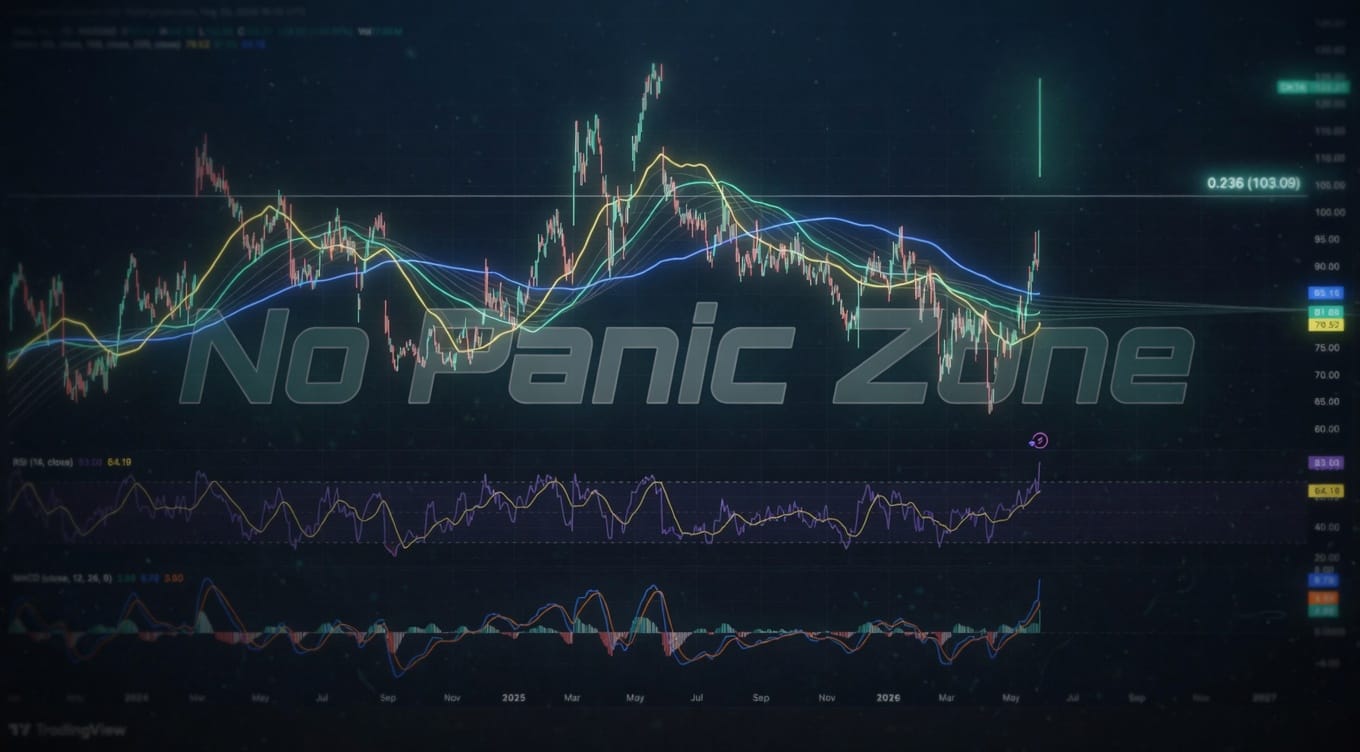
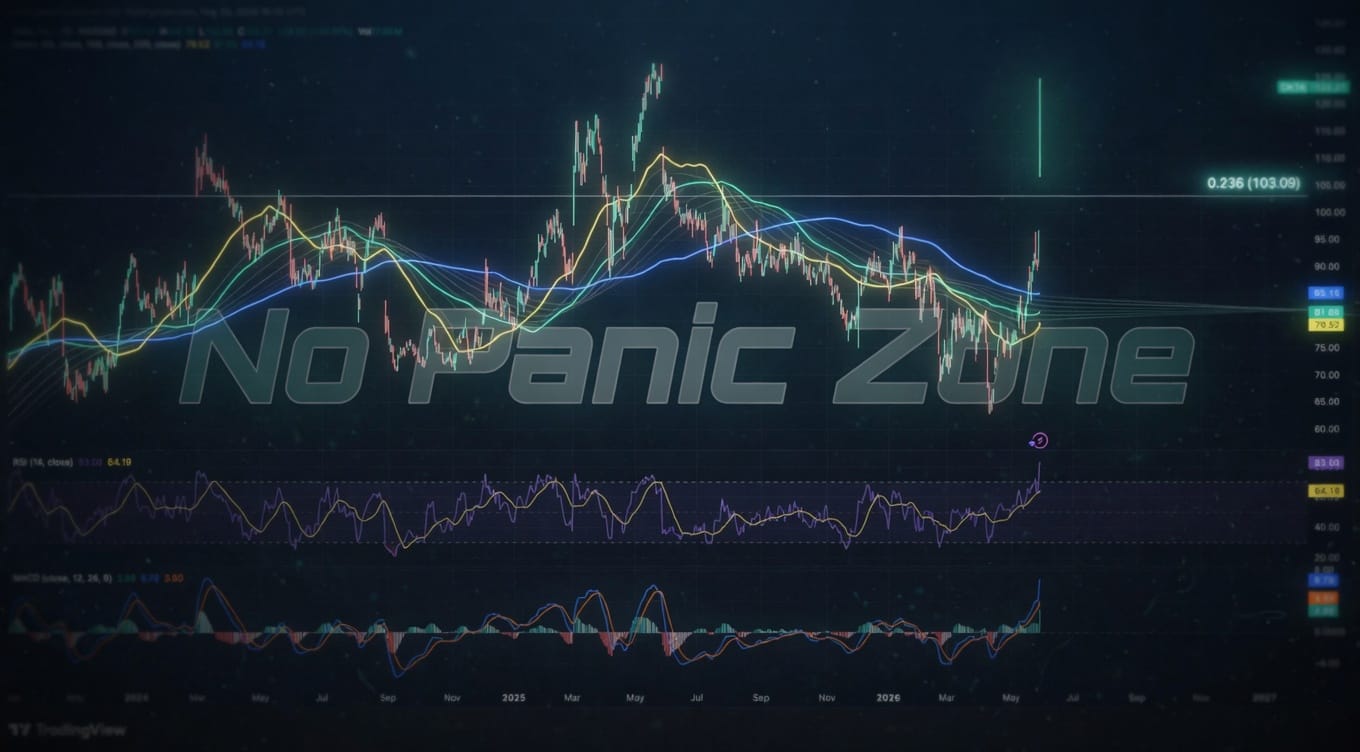
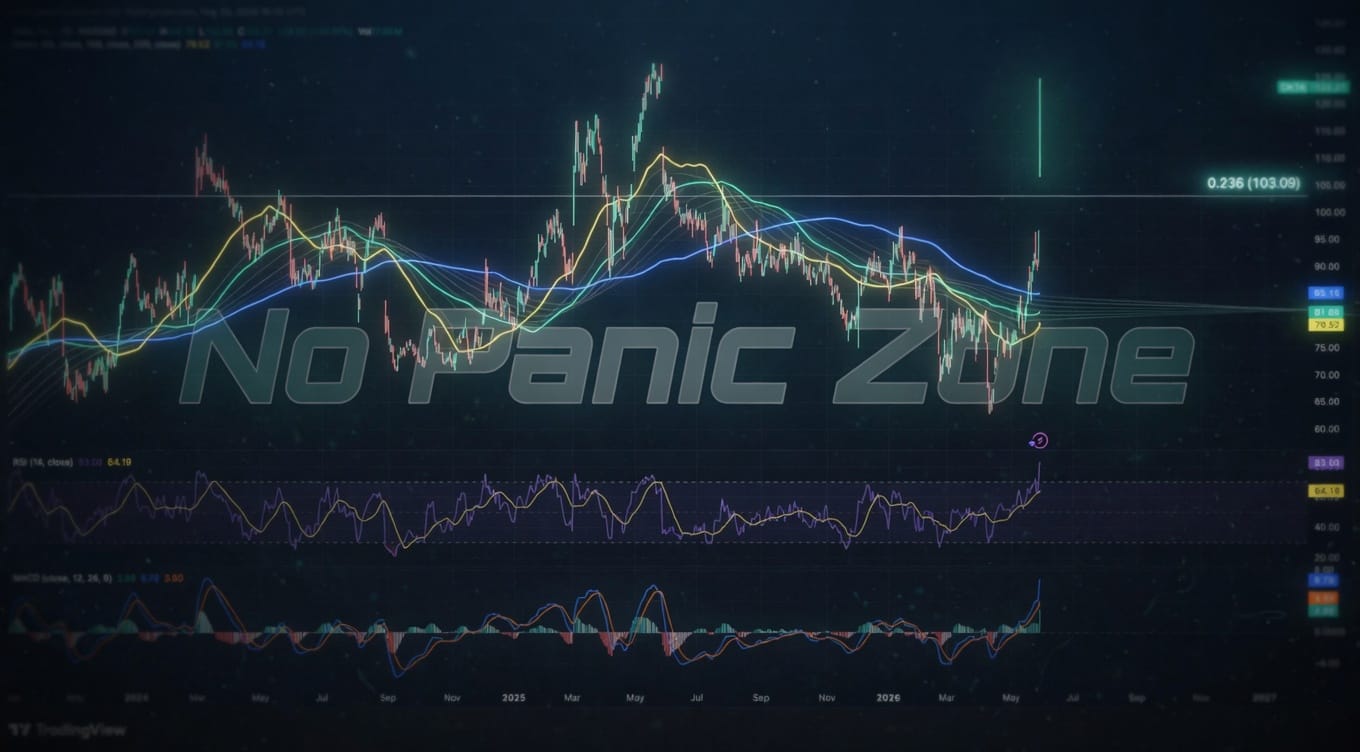
The bond market's been around for centuries. Survived wars. Survived defaults. Survived the entire concept of technical analysis. It'll survive crossing 5% without consulting your TradingView account.
Psychologically significant just means reporters needed a headline and your portfolio needed another reason to disappoint you.
Photo by on Unsplash




Leave a Comment