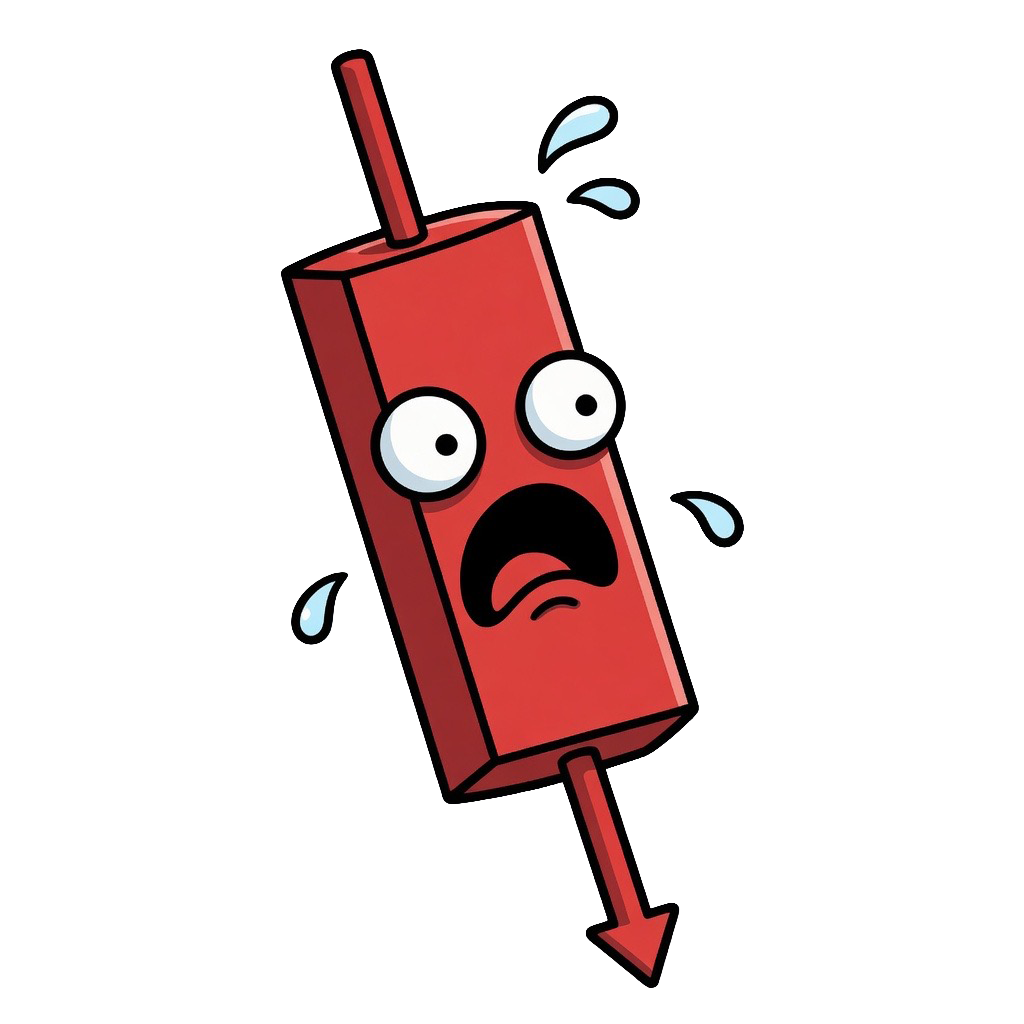

The central bank raised rates and economists just figured out that people with less money feel it more than people with more money. Groundbreaking stuff. Next they'll reveal that winter is colder than summer.
Younger households and lower-income families get crushed harder because they carry more variable-rate debt and own fewer assets that benefit from higher yields. Rich people collect interest on their bond portfolios. Poor people pay 22% on a credit card they used to fix their transmission. The expert calls this "a blunt tool." That's like calling a sledgehammer "somewhat imprecise" after you've used it to hang a picture frame.
Retail traders heard "higher rates" and immediately started shorting regional banks, buying gold, and posting screenshots of their Robinhood accounts with captions like "Fed can't stop me." The Fed did stop them. The Fed stopped them so hard their stop-losses got stop-losses.
The mechanism works like this: rates go up, borrowing costs spike, disposable income evaporates, spending drops, economy slows. But the timing is random and the distribution is cruel. A lawyer in Greenwich refinanced his mortgage at 2.8% in 2021 and he's fine. A line cook in Akron with an adjustable-rate auto loan just watched his monthly payment jump forty percent. Both of them voted. Neither of them knew what the discount rate was.
Economists knew this would happen. They wrote papers about it. They testified before Congress. Then the central bank raised rates anyway because inflation needed to be contained and someone had to pay for it. Turns out that someone was everyone who couldn't afford to pay for it.
The expert who called it a blunt tool probably owns his house outright.







Leave a Comment