

China's retail sales fell in May for the first time since 2021. Urban investment collapsed harder than expected. The world's second-largest economy is visibly contracting.
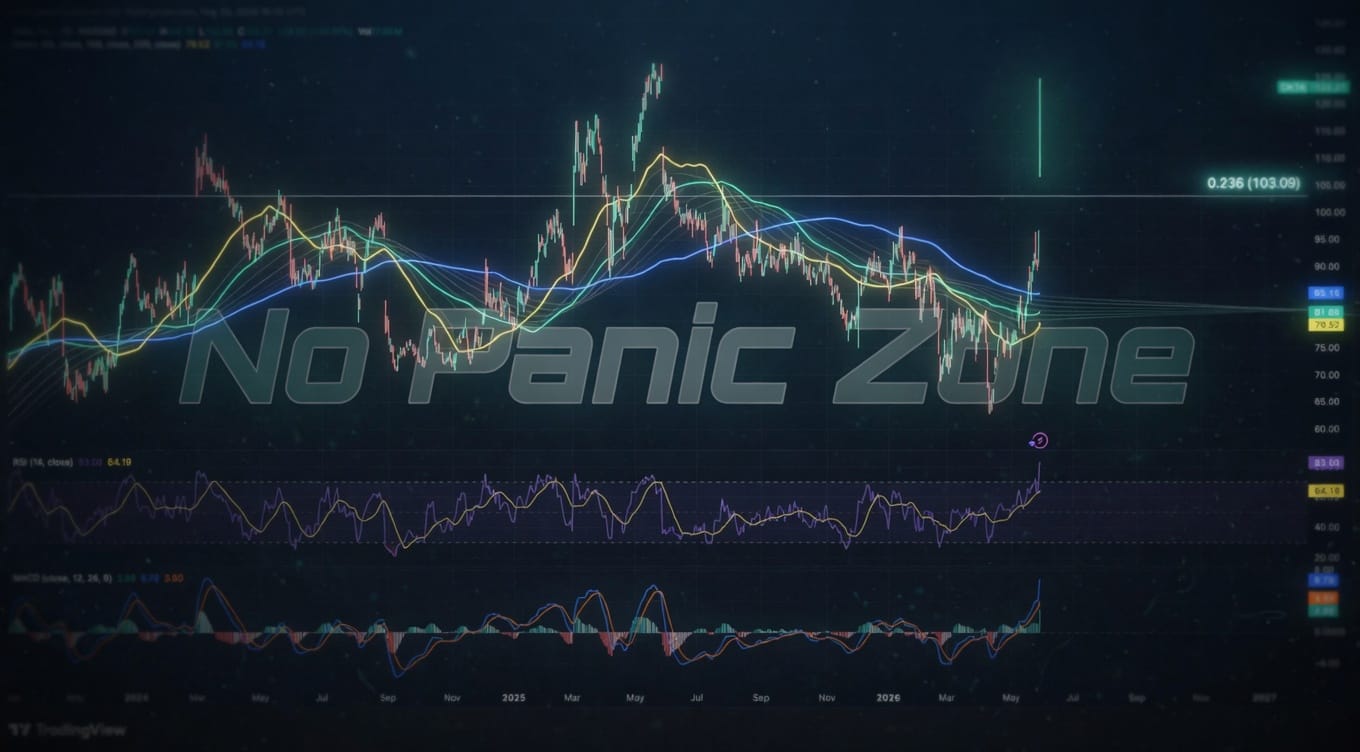
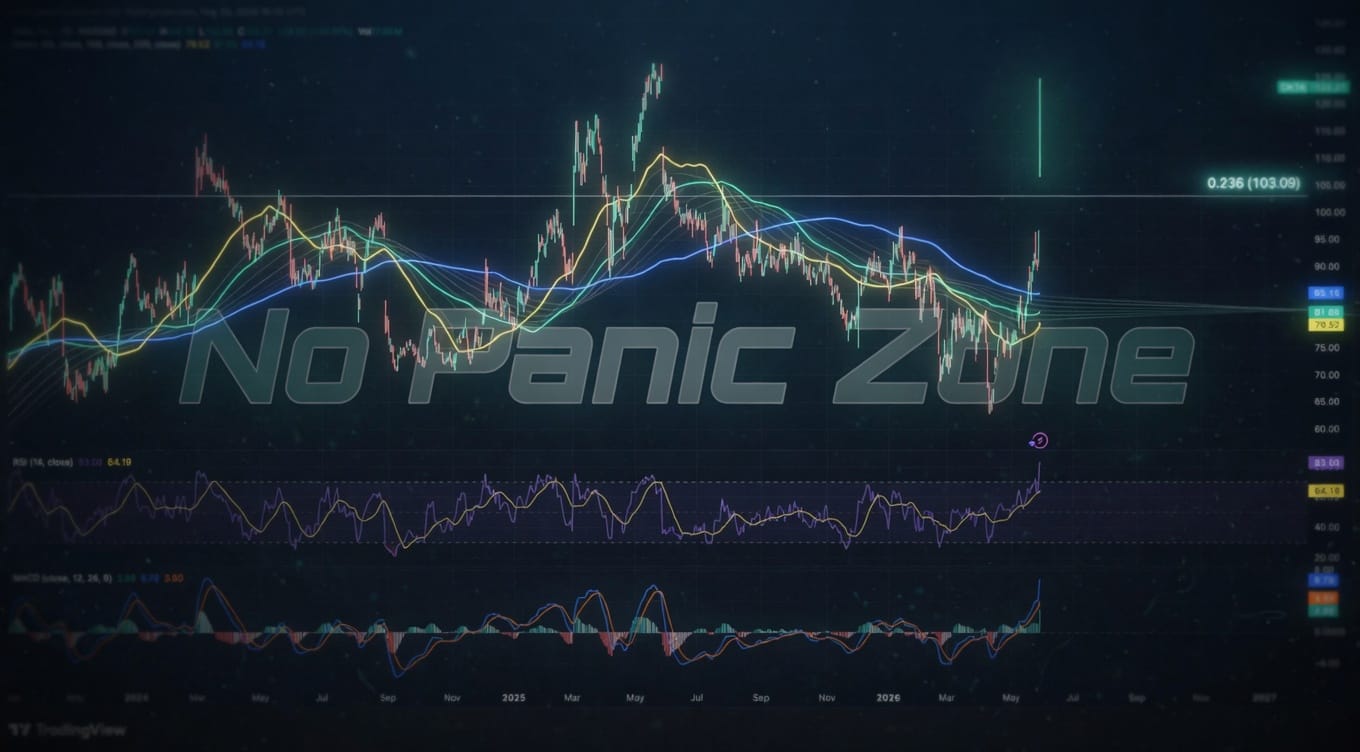
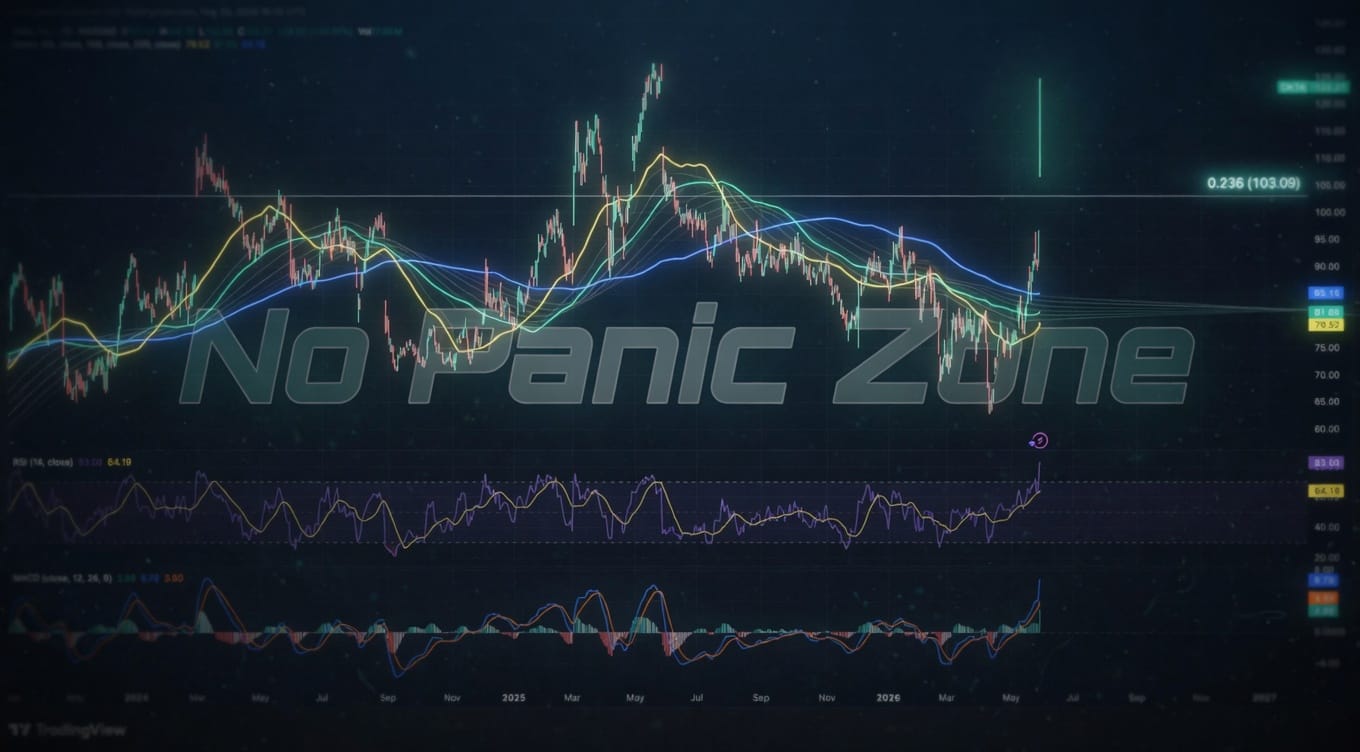
Technical analysts saw the headlines. They nodded. They opened TradingView. They drew a Fibonacci retracement from the 2020 COVID low to the 2021 recovery high, extended it through seventeen time zones, and announced with full confidence that none of this matters because the 200-day moving average on the Shanghai Composite is still technically above the 50-week EMA if you squint and ignore three years of price action.
Retail sales down for the first time in three years. That's the kind of data point economists call a leading indicator. Technical traders call it Tuesday. They have already moved on to identifying a bullish pennant formation on the Chinese yuan that definitely signals accumulation, assuming you ignore the part where consumer spending just died.
Some guy named Derek with $4,700 in a Robinhood account saw the news and immediately bought calls on Alibaba because the RSI looked oversold on the 15-minute chart. Derek does not know what retail sales are. Derek does not know what urban investment measures. Derek knows the stochastic oscillator crossed over and that's a buy signal, apparently, in an economy where people have stopped purchasing things.
The chart says support at 85. The economy says people aren't shopping. Derek believes the chart. Derek always believes the chart. The chart has been wrong for eleven consecutive months but it's definitely right this time because there's a double bottom forming, if you tilt your head and close one eye.
China's economy is weakening and Derek just identified a cup and handle pattern that confirms his bias, which is the only confirmation he was ever looking for anyway.
Photo by Camillo Corsetti Antonini on Unsplash


Leave a Comment