
Oil went up because things exploded in the Middle East. The things that exploded were Saudi Aramco facilities. Iran and the United States traded blows. Prices hit a six-week high. Traders acted like this information mattered.
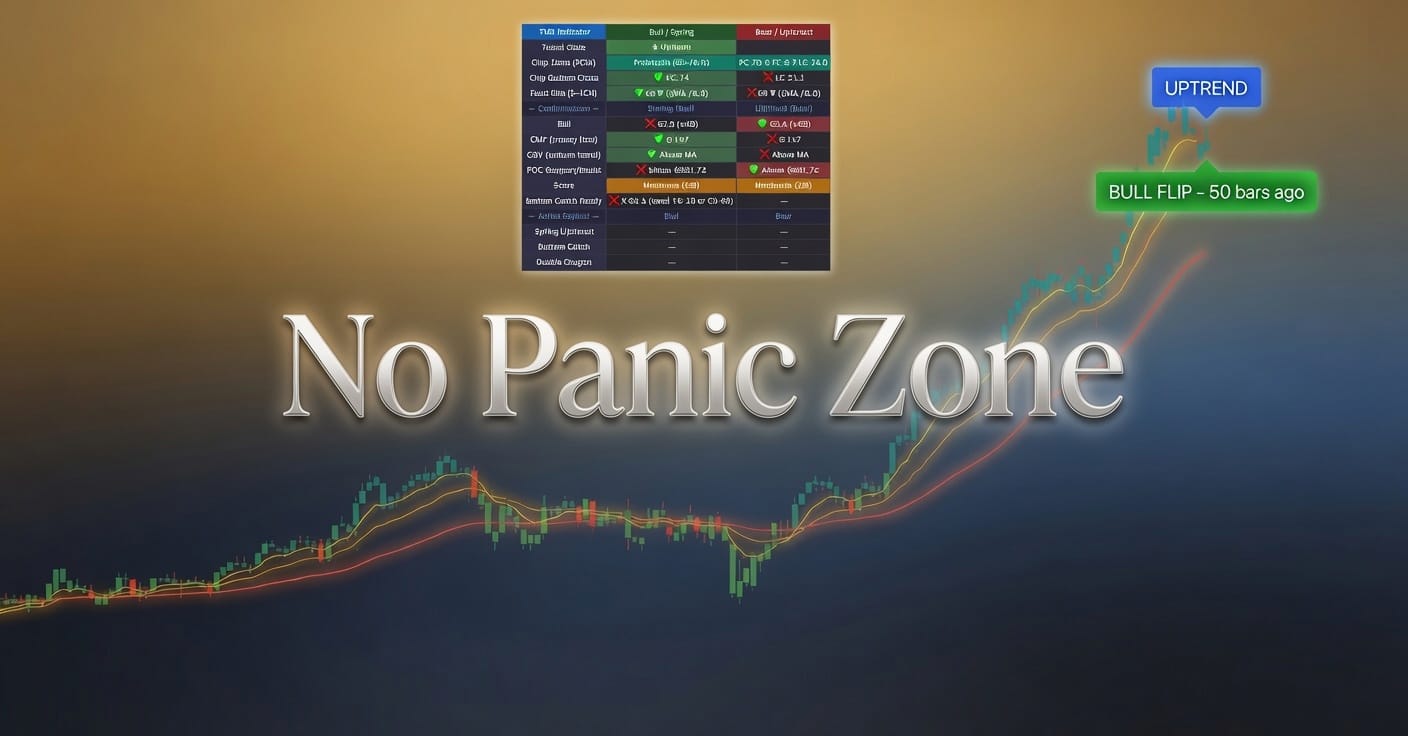
Here's what happened to your neighbor Kevin who day-trades crude futures from his garage. He saw the headline. He panic-bought three contracts at the high. He told his wife this was different from last time. He showed her a TrendSpider alert on his phone like it was a medical degree.
The chart said oil was oversold on the 4-hour. The chart did not mention that Saudi Aramco facilities get hit every eighteen months like clockwork. The chart definitely did not tell Kevin that geopolitical risk premiums evaporate faster than his portfolio every single time he touches the keyboard.
But Kevin bought anyway. He always does.
Oil prices don't care about fundamentals. They care about headlines that scare people who shouldn't be trading in the first place. Iran fires missiles. The U.S. fires back. Aramco's infrastructure takes damage. Crude rips higher. Retail buys the top. Crude fades by Wednesday. Retail holds through expiration because they read on Twitter that oil was going to $200.
The technical setup was clean before the news hit. A boring range. No breakout. No volume. Then the headline dropped and every RSI divergence Kevin ever bookmarked became irrelevant in four seconds.
He still bought.
The Saudis will repair the facilities. Iran and the U.S. will keep trading blows until they don't. Oil will go back to doing whatever it was doing before Kevin learned what a geopolitical risk premium was. And Kevin will still be holding those contracts, waiting for his stop loss to trigger, wondering why the 200-day moving average didn't save him from international conflict.
Photo by on Unsplash



Leave a Comment