

Spain beat Argentina 1-0 in extra time. A football match decided the World Cup. Not a stock ticker. Not a Fed announcement. Not Jerome Powell's eyebrow movement analyzed frame by frame on CNBC.
Actual athletic performance determined the outcome. A ball went into a net. Someone ran faster than someone else. Physical reality asserted itself for ninety minutes plus stoppage time plus thirty more minutes because neither team could score when it mattered.
Argentina had Messi. Spain had a goal. One of these things proved more useful than the other.
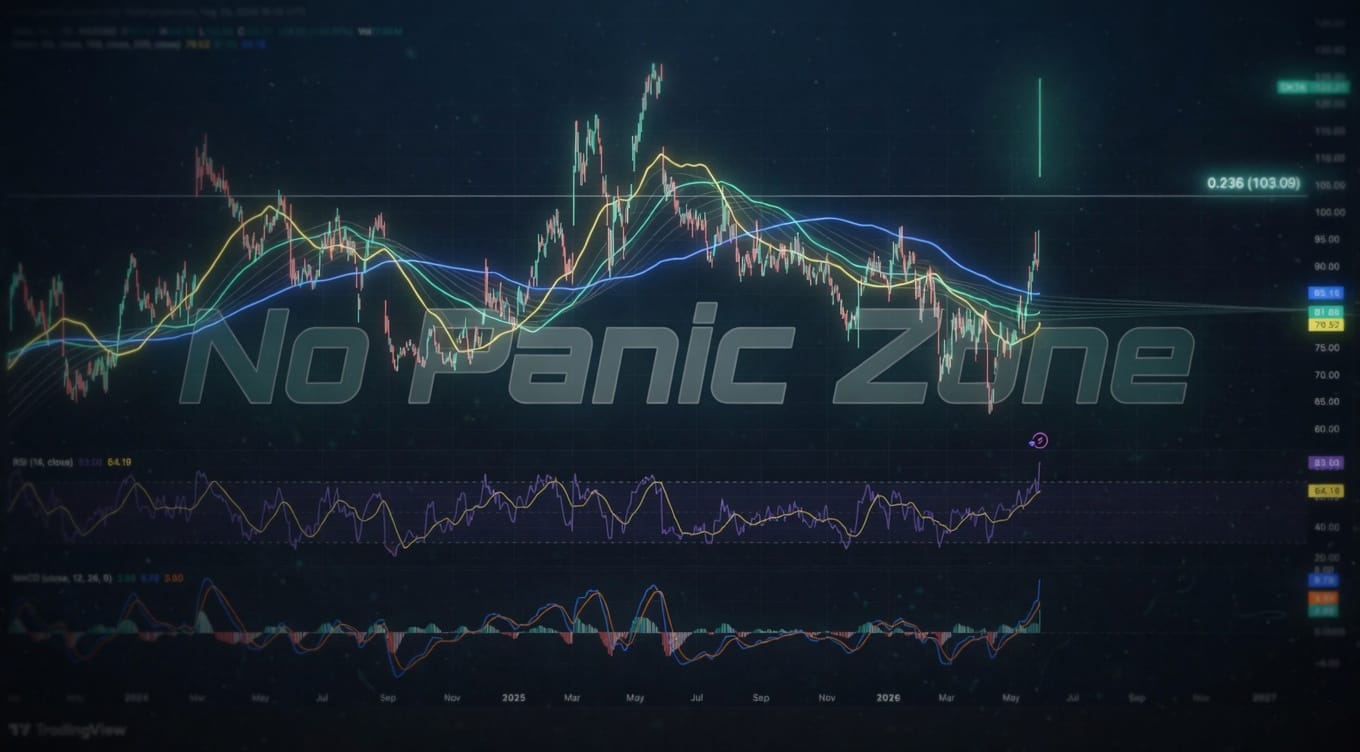
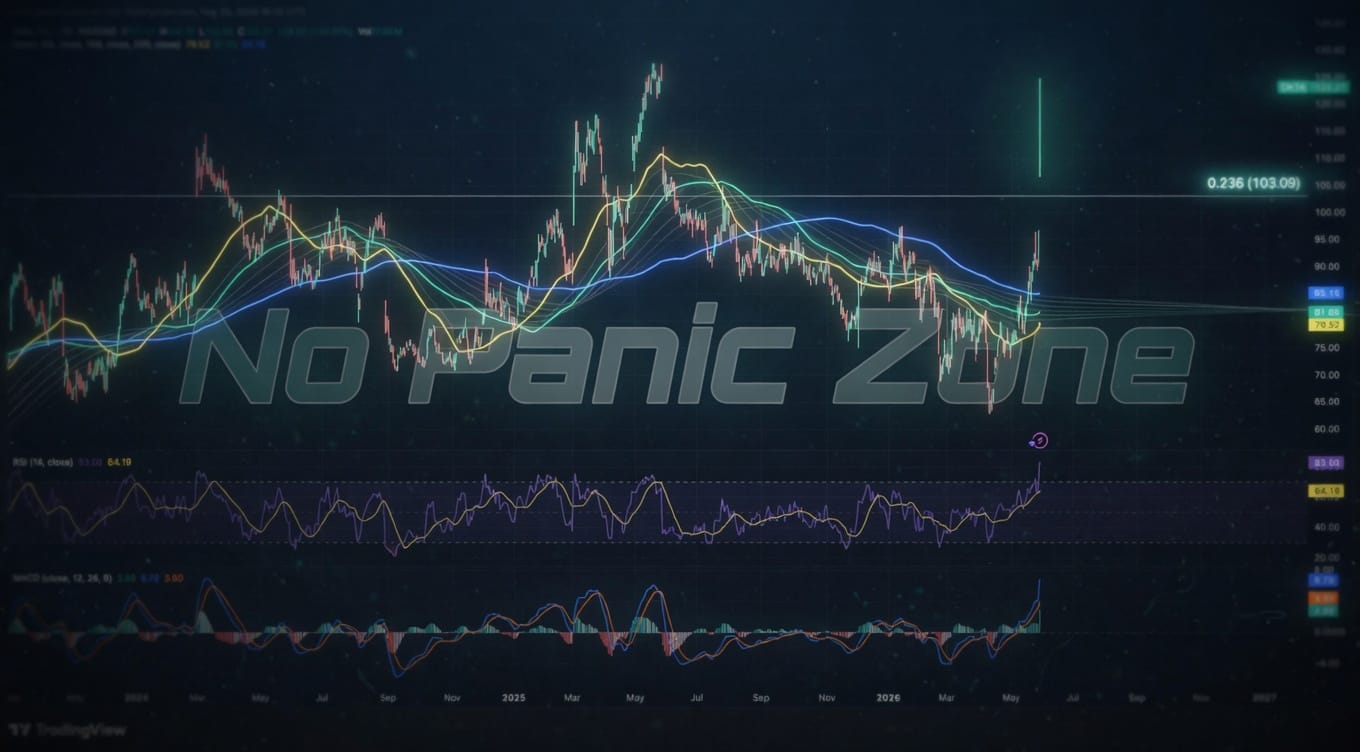
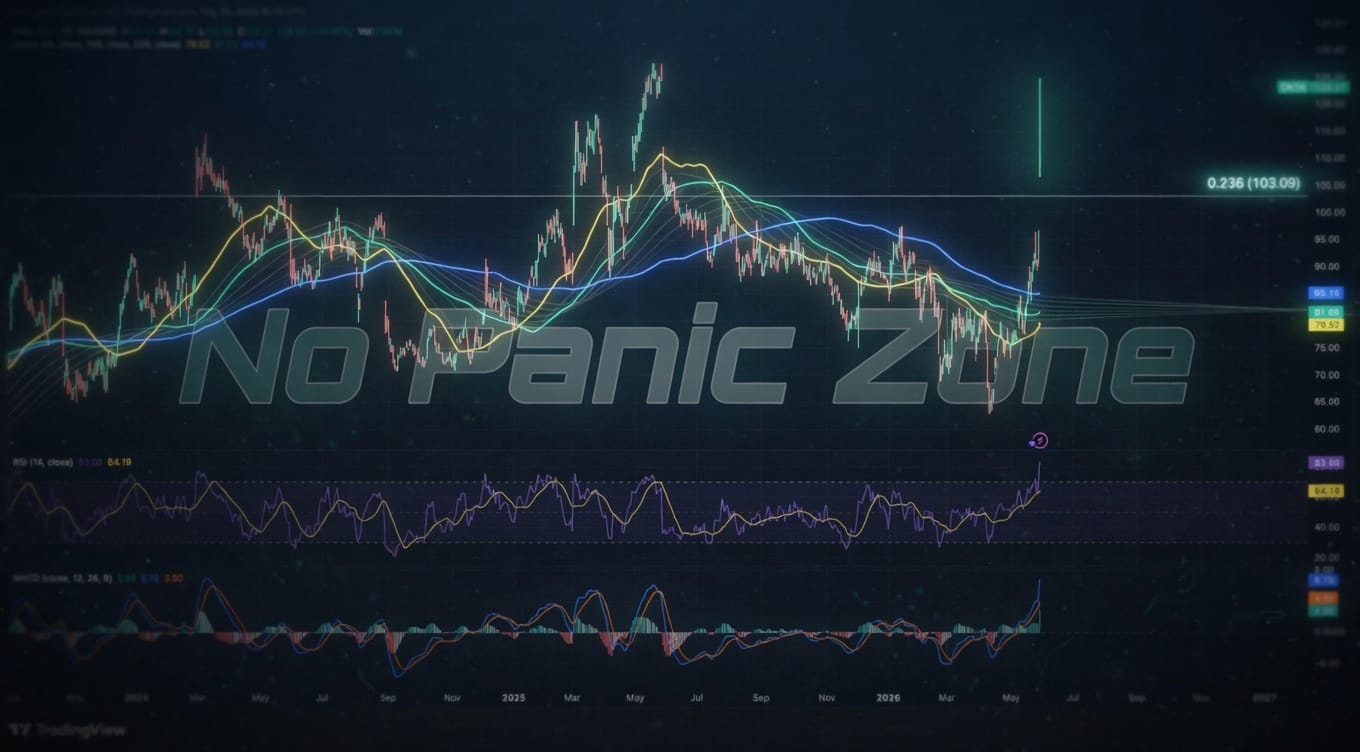
The match photos show exactly what happened, which makes them fundamentally different from every chart pattern retail traders stare at for six hours before losing their rent money on 0DTE calls. The ball is either in the net or it isn't. There's no pivot to interpret. No guidance to parse. No earnings whisper to chase.
Spain celebrated. Argentina did not. The scoreboard displayed objective information that could not be reframed as bullish if you squinted hard enough.
Somewhere right now a day trader named Kyle is trying to backtest a World Cup winner momentum strategy. He'll discover that Spain winning in 2026 tells him nothing about copper futures. He'll run the backtest anyway. He'll risk real money on it. He'll lose that money. Then he'll tweet that the market is rigged because his soccer-based technical analysis didn't predict the inflation print.
Spain's players lifted a trophy they can actually hold. It exists in three dimensions. You cannot short it. You cannot buy a leveraged ETF that tracks it. You cannot lose your life savings on it unless you bet on Argentina, which frankly you deserved.
Football crowned a champion using a scoring system even Kyle could understand, which is the closest thing to a miracle in this story.
Photo by Maryam Tello on Unsplash



Leave a Comment