

Financial media discovered a new investment thesis. Iran does something. Oil moves. Energy stocks exist. Buy five of them.
The logic runs like this: geopolitical tension creates oil volatility, oil volatility creates opportunity, opportunity creates bag holders who confused a headline with a trading system. None of this matters because oil prices are retreating in the same article that tells you to buy energy stocks. The thesis ate itself in the summary.
Here's what actually happened. Some analyst needed to publish five stock picks before lunch. Energy sector was down. Iran was in the news. He stapled them together with the word "could" and called it research. Could be a great place to invest. Could also be a terrible place. Could go up. Could go down. Could is doing more work than a mule at a carnival.
The tell is in the headline. Oil prices retreating but buy energy stocks anyway. That's not analysis. That's a man who already wrote the list and needed a reason to publish it. The reason doesn't have to be good. It just has to exist long enough for you to click.
Retail traders will read this and think they found edge. They'll buy the five stocks. They'll check the price seventeen times before dinner. They'll wonder why Iran news from three days ago isn't moving their portfolio. They'll hold through earnings. They'll sell at a loss. They'll blame manipulation.
The beautiful part is the Iran conflict angle. Conflicts are perfect for this genre of article. They're serious enough to sound important. Vague enough to mean anything. Ongoing enough to never resolve cleanly. You can write this same piece every six weeks with different stock tickers and the same five people will click it every time.
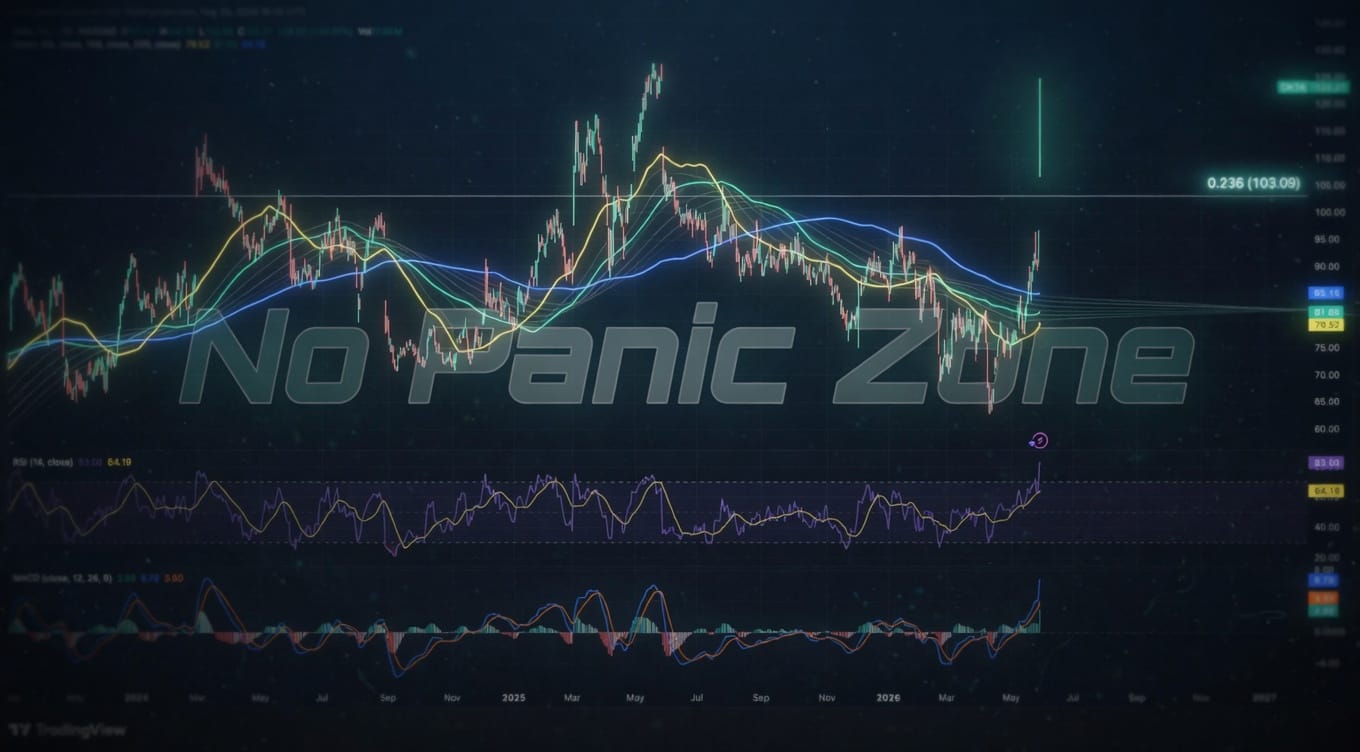
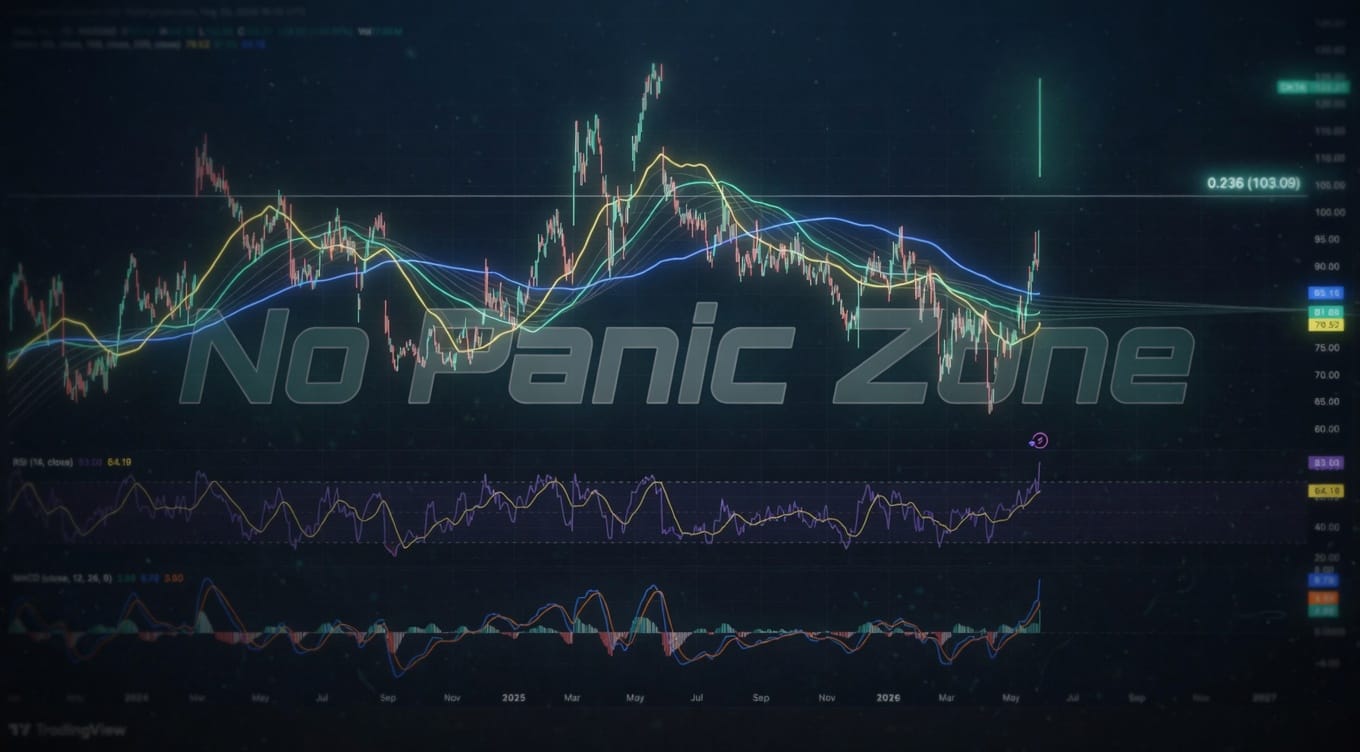
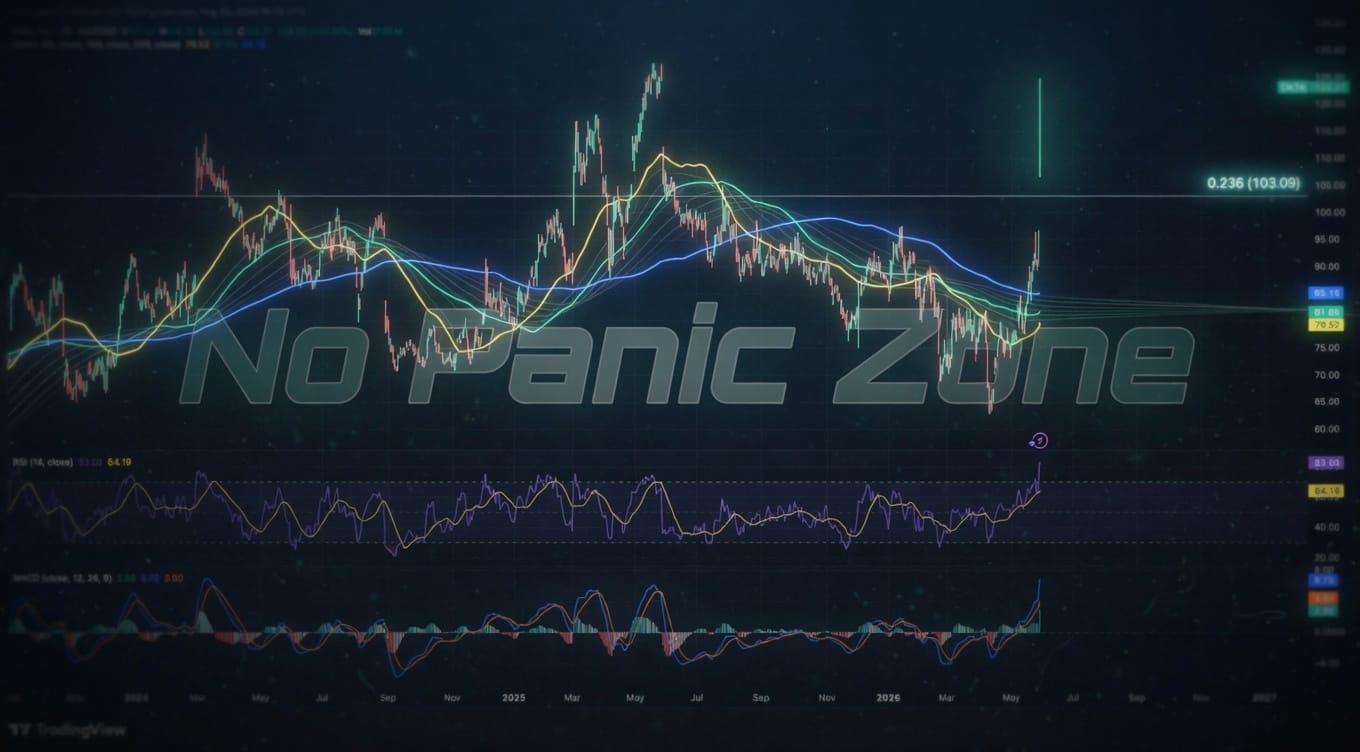
Technical analysis says if the chart goes up, it might keep going up. If it goes down, it might keep going down. Sometimes it goes sideways and everyone pretends they predicted that too. None of this requires reading about Iran.
Photo by Maksym Kaharlytskyi on Unsplash




Leave a Comment