

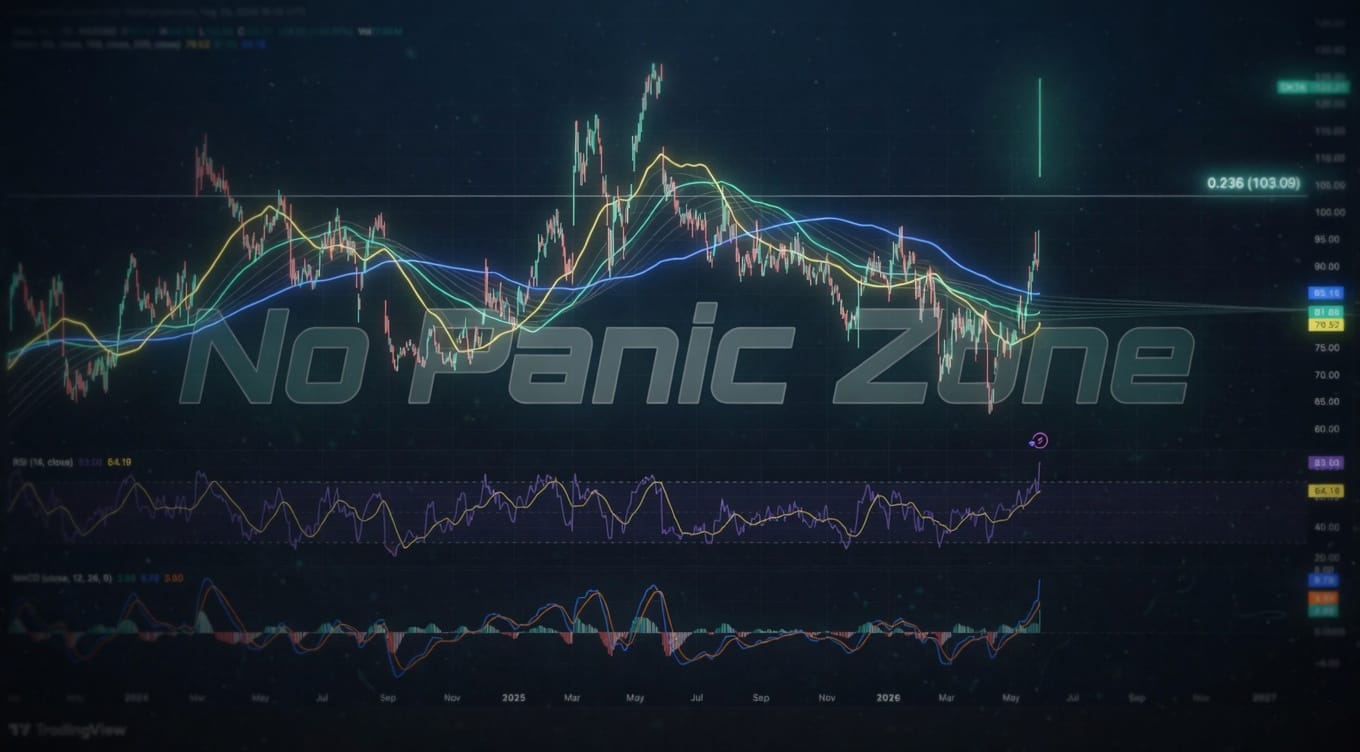
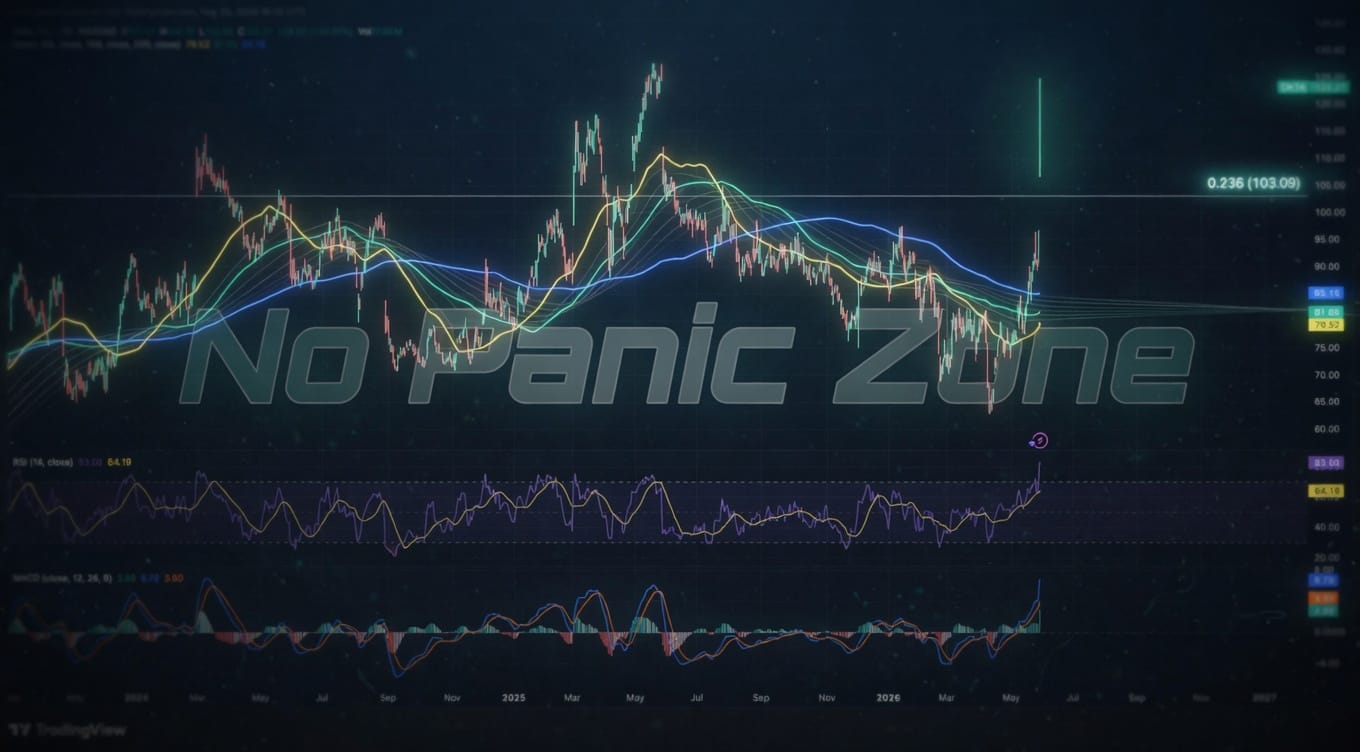
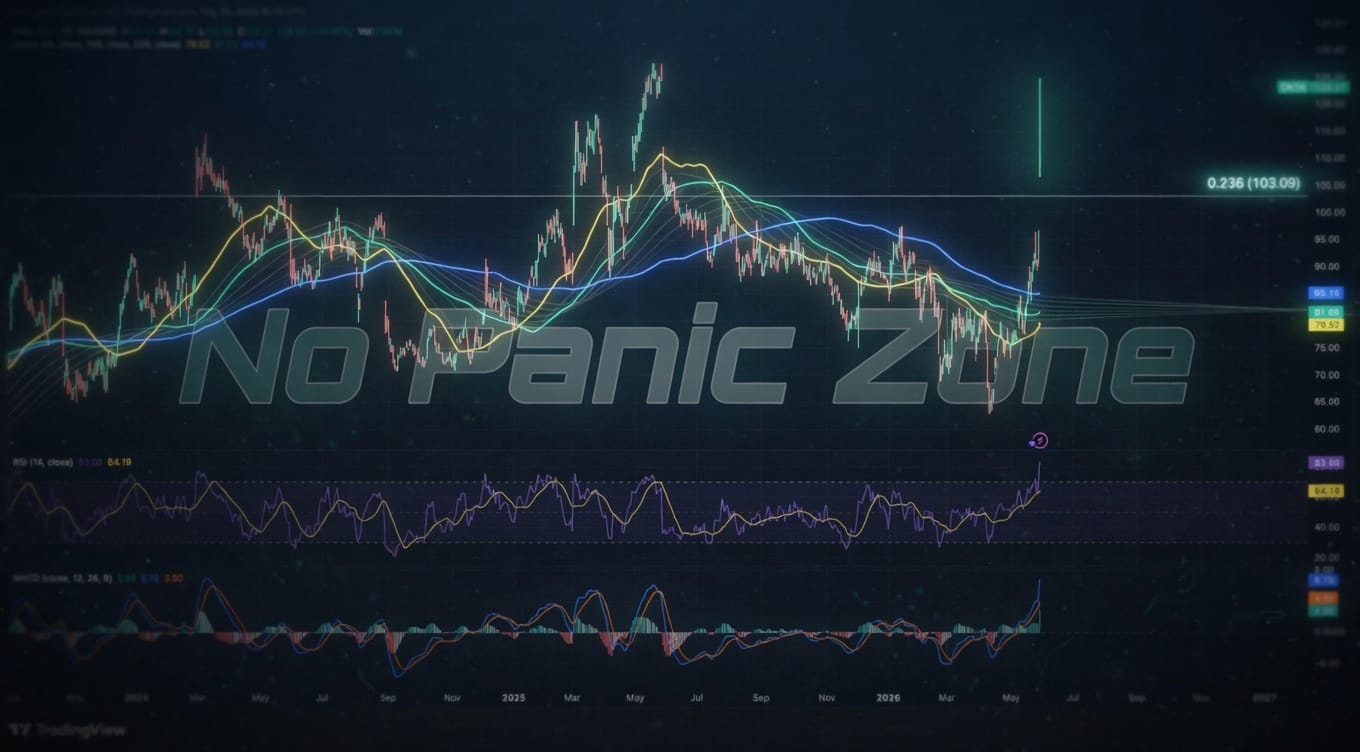
The advice here is to change your scales when trading changes dramatically. Not your strategy. Not your position size. Your scales.
This is what passes for actionable guidance in 2026. Adjust the units of measurement on your chart because the hyperscalers dropped 8% in three days and now your candlesticks look scary.
Zoom out. Problem solved. The line goes up again.
This is technical analysis at its finest. The underlying securities haven't changed. The companies still print money. The data centers still hum. But your emotional support chart needs a makeover because you can't handle seeing red without reaching for the Xanax.
Retail traders spent eighteen months convinced AI stocks only go up. They bought Nvidia at every high. They DCA'd into every dip. They posted rocket emojis under every earnings beat. Then the stocks got volatile and suddenly nobody knows what a scale is.
The hyperscalers are down because they spent $200 billion on GPUs and Wall Street wants to see revenue yesterday. That's it. That's the whole story. No amount of logarithmic scaling will change the fact that Microsoft and Google are in a spending arms race with no finish line.
But sure, change your scales. Make the chart look less violent. Pretend the drawdown is actually just a healthy consolidation pattern if you squint hard enough and toggle from linear to log view.
The piece implies you must adapt your perspective when conditions shift. Revolutionary stuff. Real cutting-edge thought leadership. Next they'll tell you to buy low and sell high, or that past performance doesn't guarantee future results.
Changing your scales is what you do when you can't afford to change your positions.
Photo by Infrarate.com on Unsplash



Leave a Comment