

Dow futures jumped 400 points Monday because Trump decided not to start a war. Oil prices fell because traders realized blowing up Iranian oil fields might have reduced the global supply of oil. This represents a breakthrough in cause-and-effect reasoning for the financial markets.
The planned strikes got called off. Futures went up. Oil went down. Retail traders everywhere opened their Robinhood apps and thought they finally understood geopolitics. They did not understand geopolitics.
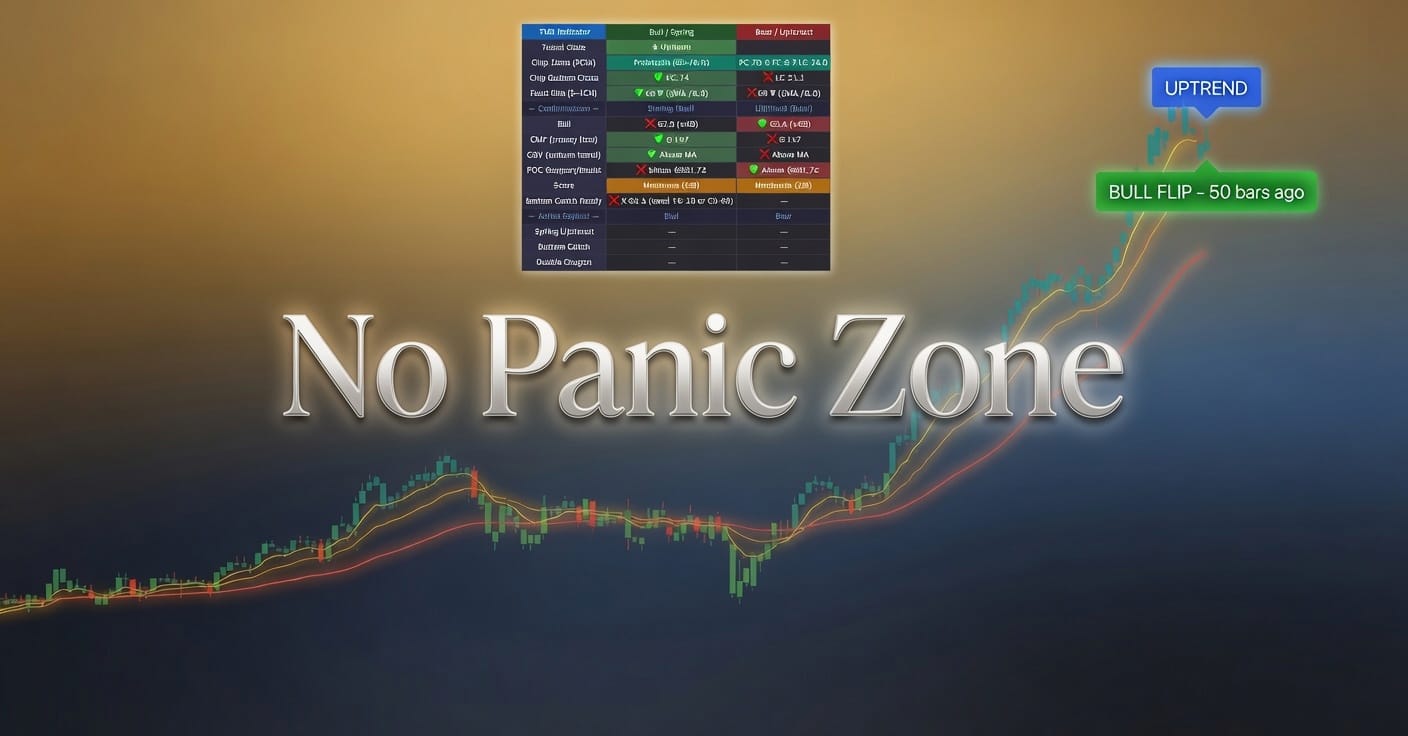
Here's what happened in technical terms: absolutely nothing changed. Friday's chart looked exactly like Monday's chart if you zoom out past fifteen minutes. The 200-day moving average continued not giving a f*ck about Iran. The 50-day moving average continued its long tradition of ignoring presidential decisions. Support and resistance levels maintained their complete indifference to cable news.
But some guy in Michigan saw the headline and bought calls. Another guy in Florida saw the same headline and bought puts. They both lost money by Wednesday. The market closed exactly where it opened by end of week, and both of them told their wives they were "building a position."
The new month started with futures traders pricing in peace. What a revelation. Stocks go up when we don't bomb countries. Revolutionary stuff. Someone should write a white paper.
Oil slid because tankers in the Strait of Hormuz weren't getting turned into scrap metal. Brent crude dropped. WTI followed. And somewhere a technical analyst looked at his screen, ignored every headline about Iran, drew two lines on a chart, and made money while everyone else panicked about Trump's Twitter feed.
The first trading day of the month taught us that geopolitical tensions matter until they don't, oil prices reflect supply concerns until they reflect different supply concerns, and futures pump on headlines that will be completely forgotten by next earnings season.
Your stop loss doesn't care about Iran.
Photo by Gautam Krishnan on Unsplash



Leave a Comment