

The 10-year Treasury yield went up. Traders blamed oil. They also blamed unemployment claims going down, which means fewer people are unemployed, which apparently is bad now. Nobody mentioned that yields do this thing where they go up and down based on literally nothing that matters.
Oil prices surged. That's the story. Except oil prices surge every other Wednesday and nobody writes a headline about it unless they need to fill space between pharmaceutical ads. This time it "rekindled inflation fear." Not kindled. Rekindled. Meaning everyone was already scared, forgot to be scared, and now remembers to be scared again because a number changed.
The yield hit its highest level since January 2025. That was seven months ago. Imagine writing a headline that says "thing reaches level not seen since seven months ago." Imagine reading that headline and thinking you learned something. Imagine spending thirty seconds of your life you'll never get back trying to figure out what it means for your Robinhood account.
Here's what actually happened. Some traders looked at oil. Some traders looked at unemployment claims. They decided this meant inflation might exist at some point in the future. So they sold bonds. Yields went up because bond prices and yields move opposite each other, which is the only thing anyone needs to know about bonds and the only thing retail traders consistently forget.
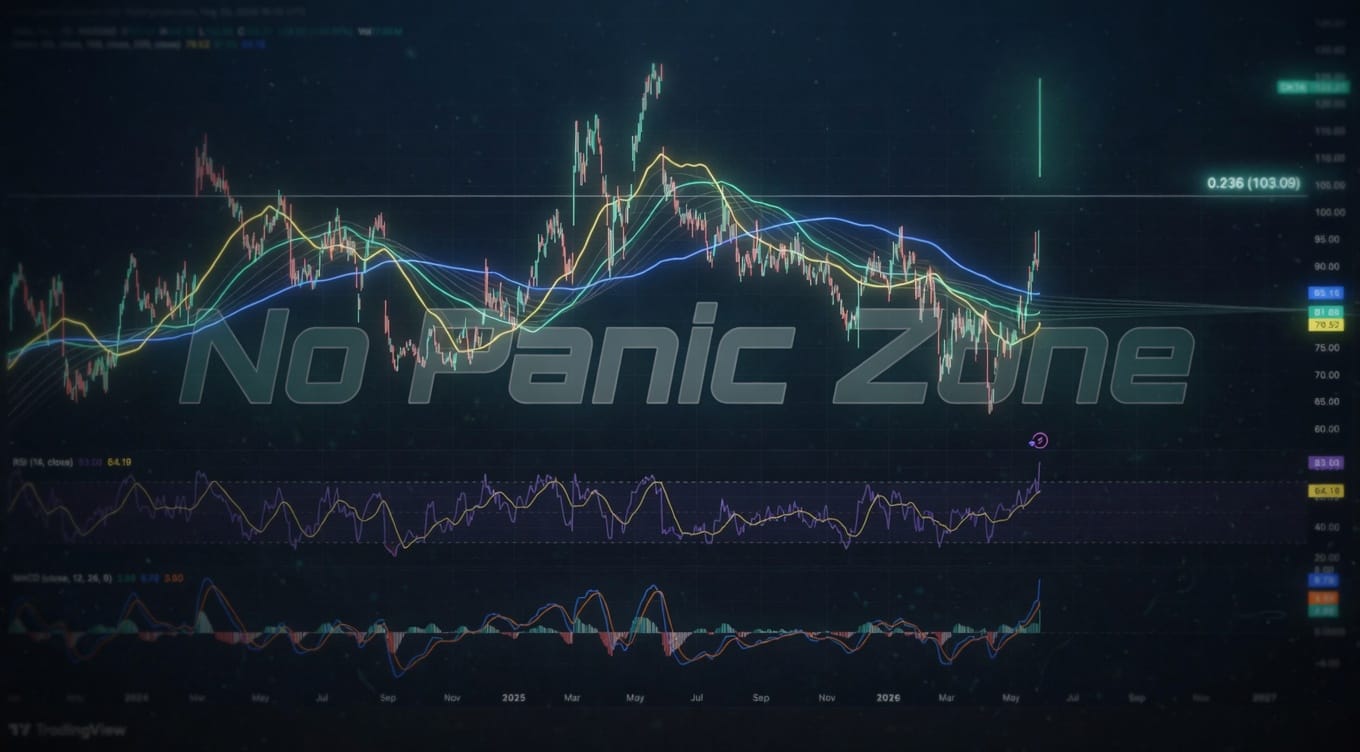
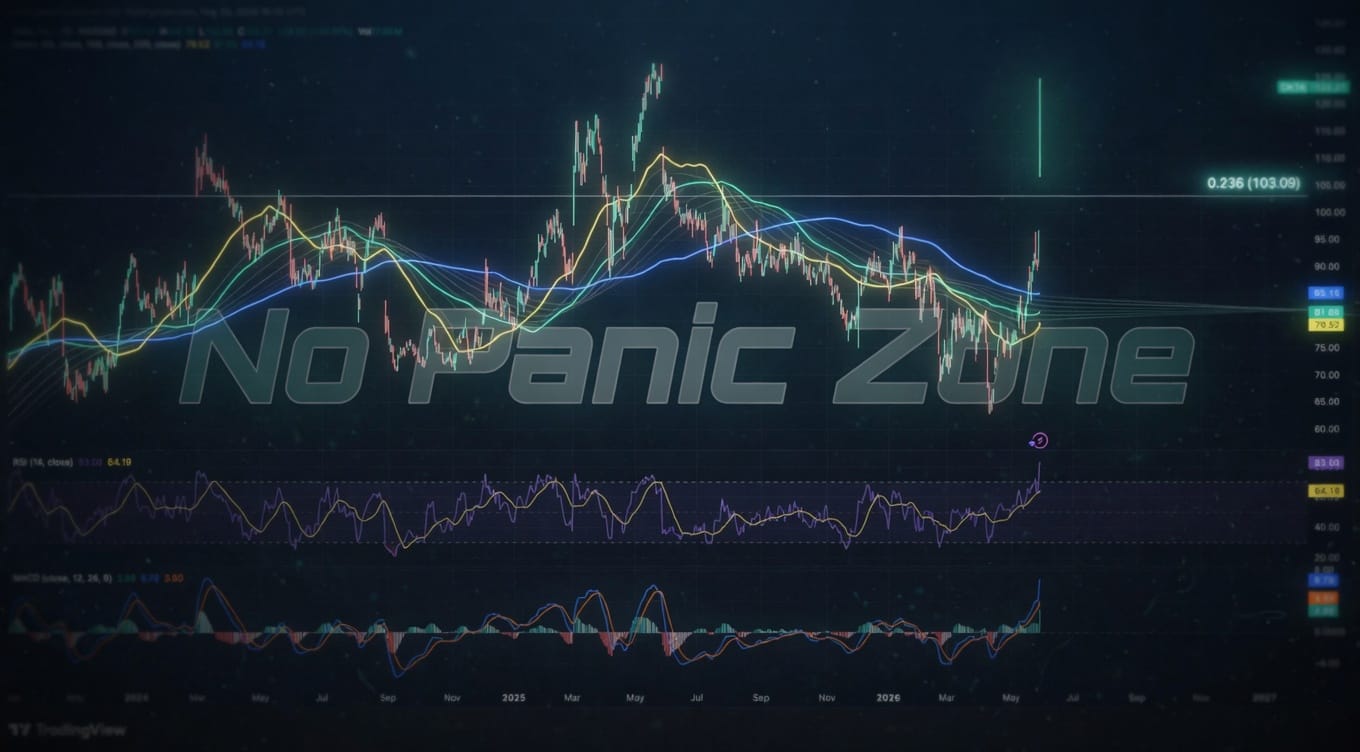
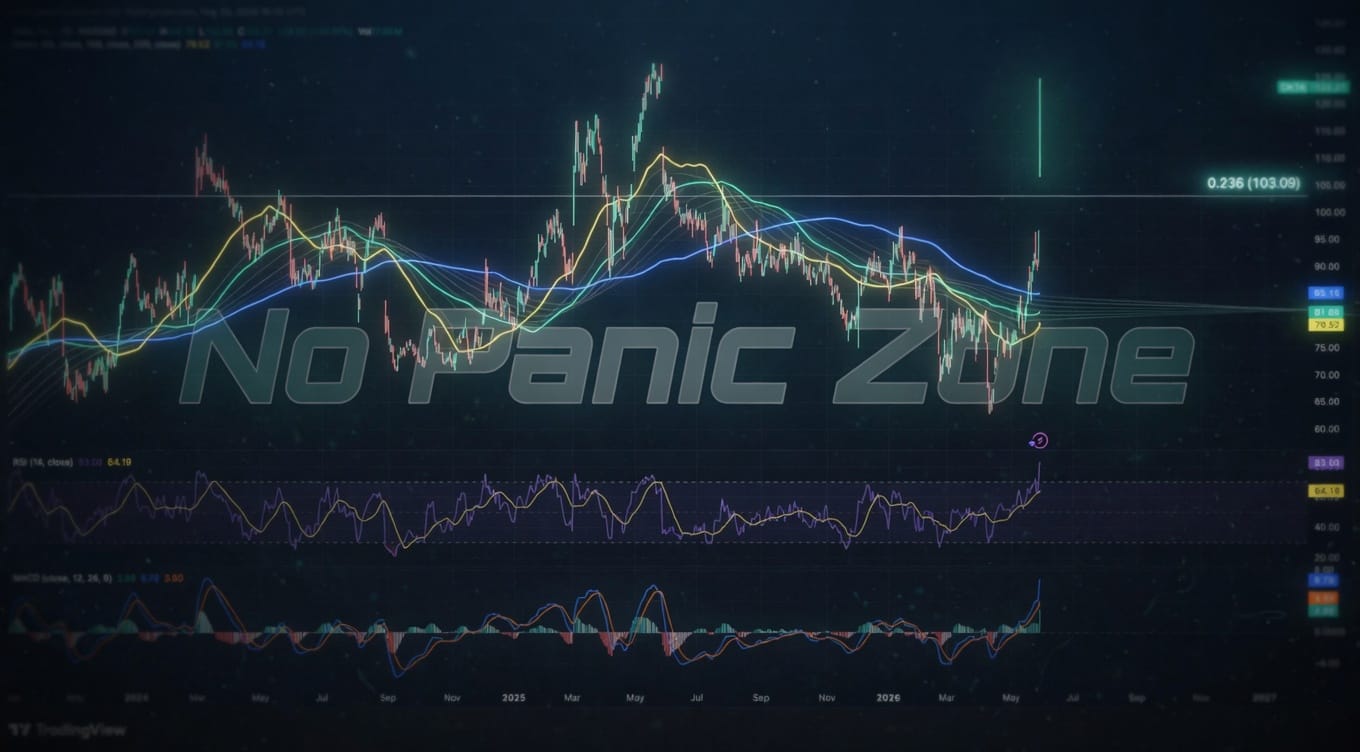
The technical setup hasn't changed. The 10-year is still range-bound. It's been range-bound since November. It will continue to be range-bound until it isn't. Oil could go to $200 a barrel tomorrow and the chart would look exactly the same. But sure, let's pretend this move means something because unemployment claims dropped and some guy in a Bloomberg terminal got nervous.
Your stop losses don't care about inflation. Your stop losses care about price. Price didn't break structure. You're still poor.
Photo by Markus Spiske on Unsplash




Leave a Comment