

Japan and the United States just announced they teamed up to support the yen. Finance Minister Satsuki Katayama will stress their shared determination to combat excessive yen declines. Two sovereign nations looked at a price on a screen and said no, not that price, a different price.
The yen was falling. Governments hate when their currency falls unless they love when their currency falls. Japan decided this particular fall crossed from strategic export advantage into national embarrassment. Called Washington. Washington picked up.
They took joint action. That means they sold dollars and bought yen until the line on the chart moved to a place that felt better. Somewhere in a Tokyo trading room, a technical analyst had drawn support levels using Fibonacci retracements and a Bollinger Band. None of it mattered. The Minister made a phone call instead.
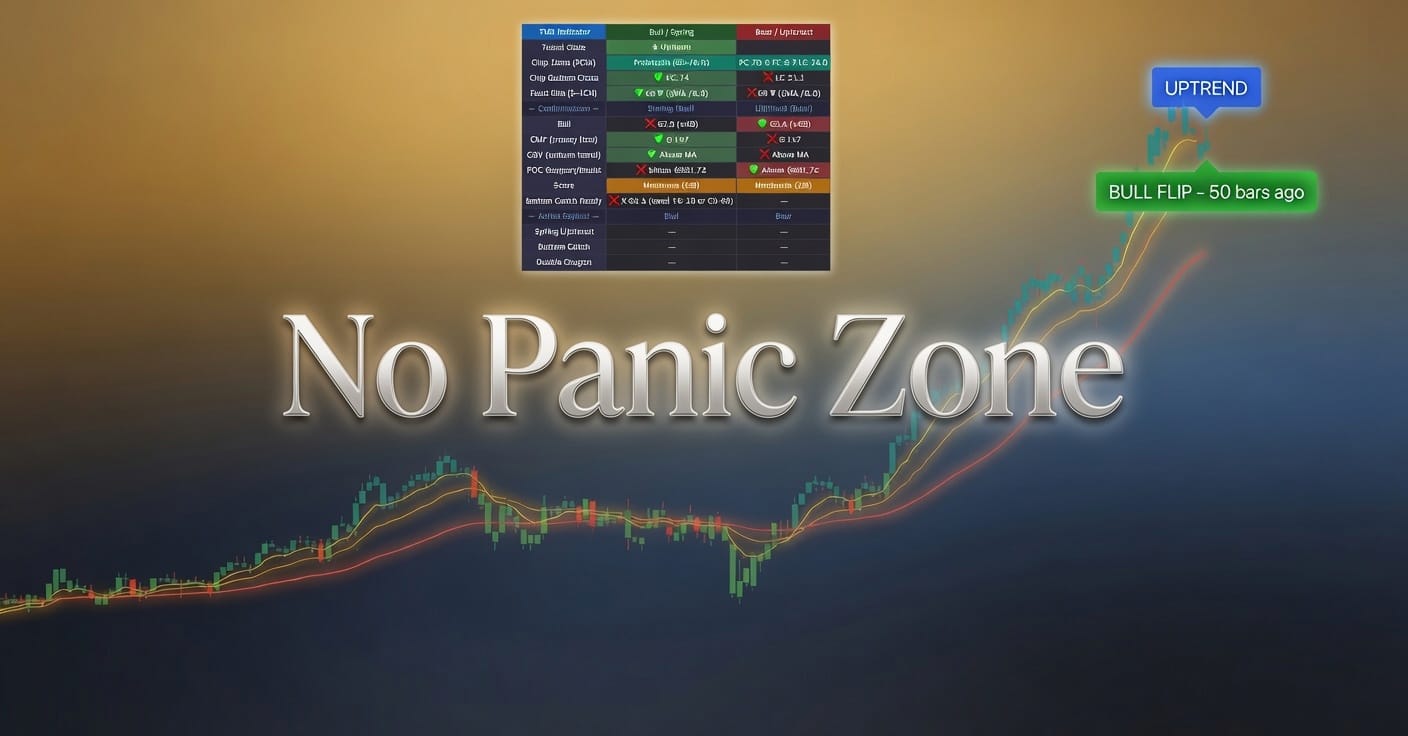
Retail traders who went long USD/JPY because the 50-day moving average crossed above the 200-day moving average just learned that central banks do not respect the golden cross. They do not respect your trendlines. They do not respect your risk-reward ratio. They barely respect each other.
Katayama will give a speech about determination and cooperation and currency stability. She will not mention that the yen's value is determined by how much yen exists and how badly people want it, which are both things her government controls. She will instead talk about excessive declines, as if the currency fell down the stairs rather than got pushed.
The chart gaps up. Your stop loss triggers. The Prime Minister sleeps fine. You check your account balance and wonder if maybe the ichimoku cloud was trying to warn you. It wasn't. It's just lines.
Japan and America joined forces to prove that price discovery is a collaborative process between willing buyers, willing sellers, and two governments who show up whenever they f*cking feel like it.
Photo by on Unsplash





Leave a Comment