
John Williams crossed the Atlantic to attend the London Macro Policy Forum on Thursday. The president of the New York Fed stood in front of a room full of people and said it's reasonable to expect another rate hike by year-end. Not definite. Not probable. Reasonable to expect.
This is what passes for news in September 2026. A central banker uses the word reasonable in a sentence about something that might happen in three months. Retail traders immediately checked their portfolios. They panic-sold their tech stocks. They bought bonds. They sold bonds. They texted their cousins about inflation.
Williams could have sent an email. He could have posted on social media. He could have whispered it to a bartender at JFK and achieved the same informational value. Instead he flew four thousand miles to deliver the financial equivalent of "we'll see."
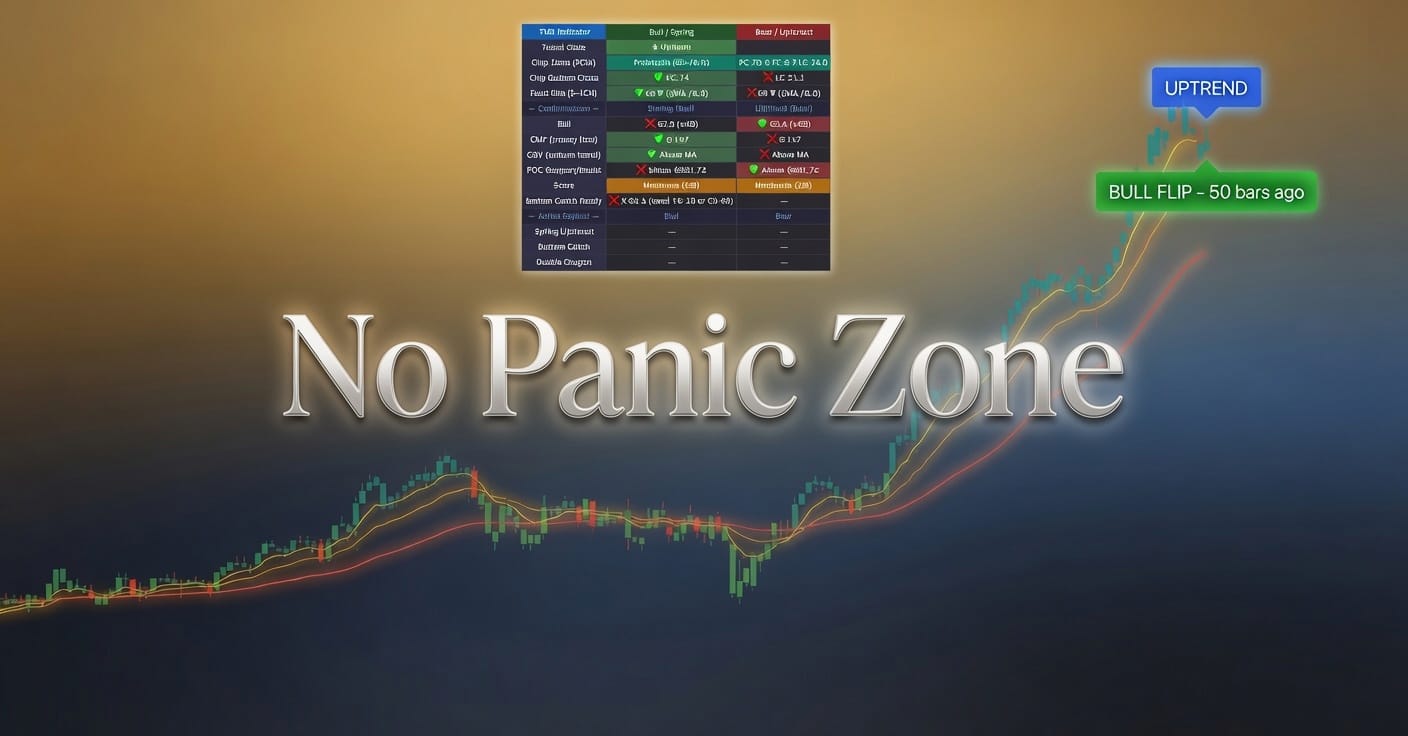
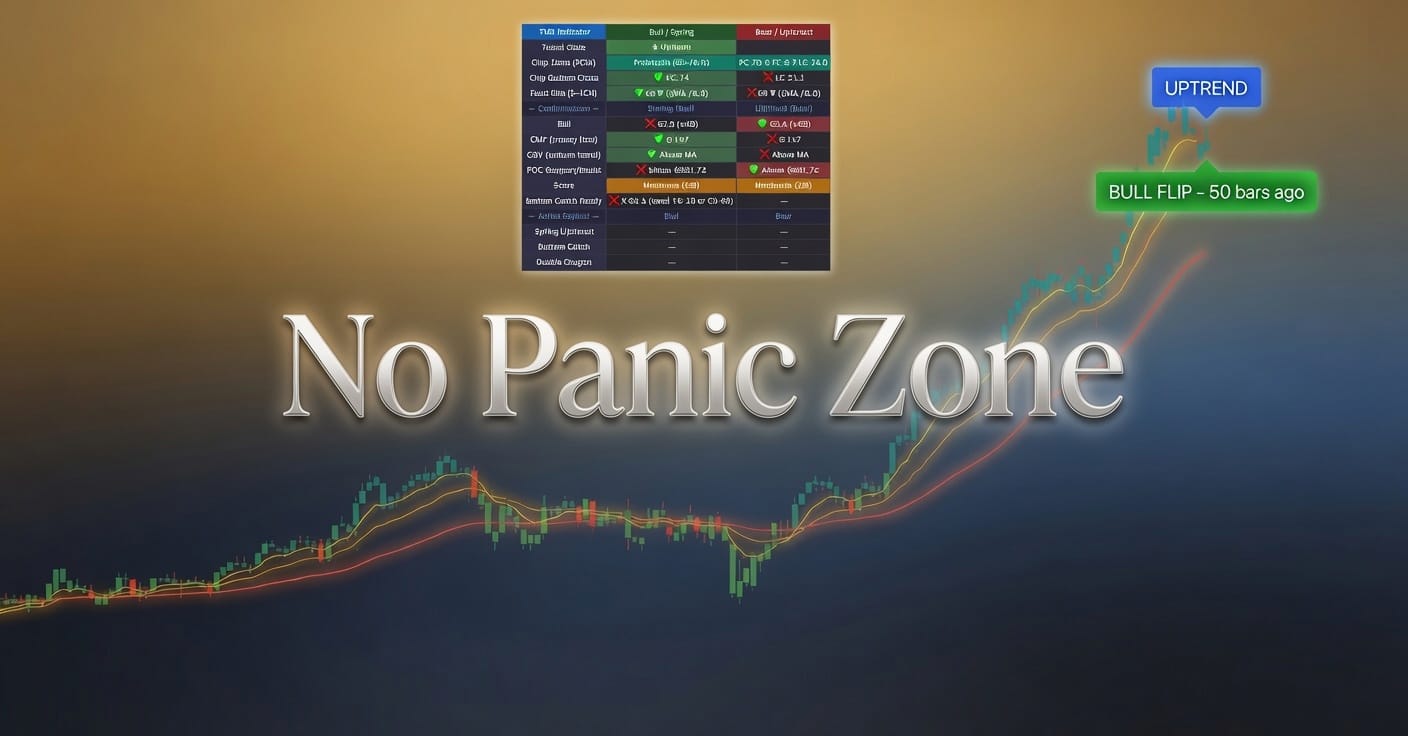
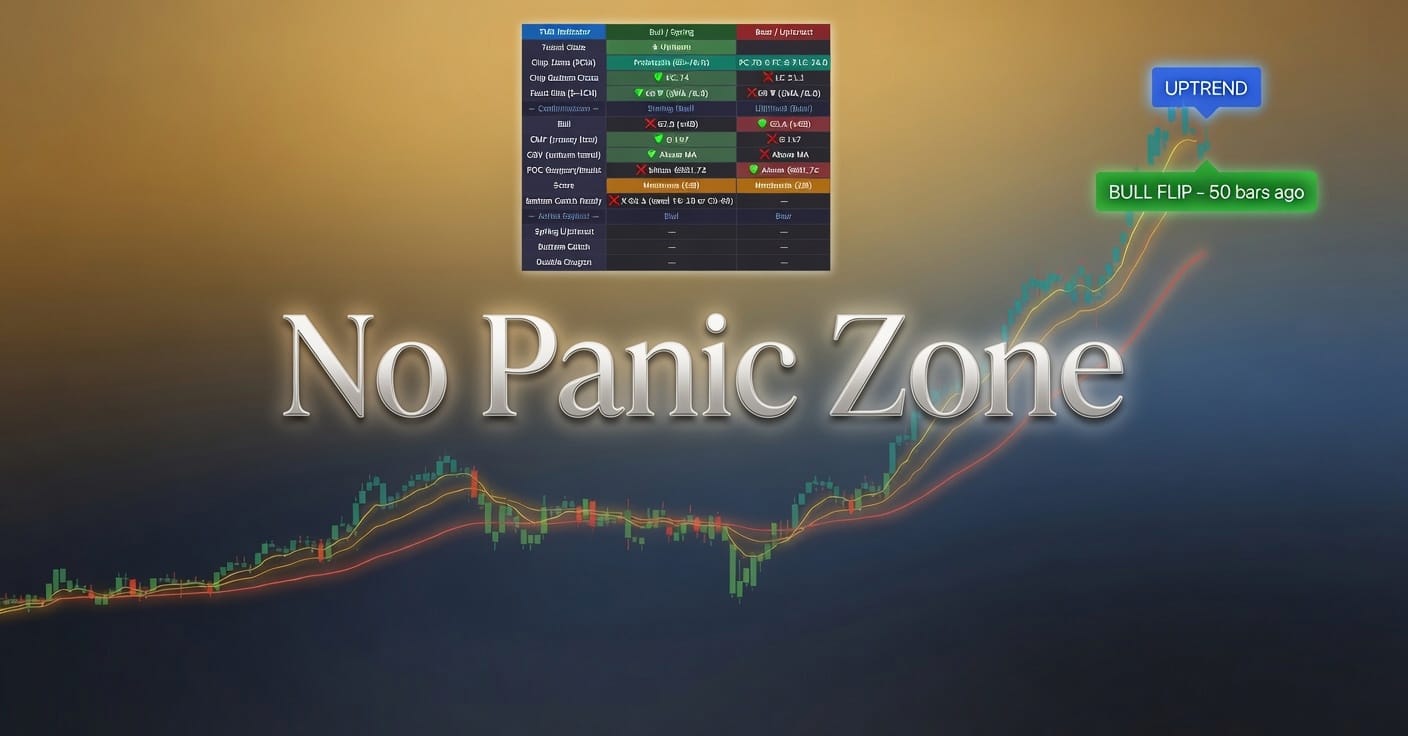
The charts don't care what Williams thinks is reasonable. The 50-day moving average didn't pause to consider his remarks. Volume patterns didn't shift because a man in London used careful language. Price action continued doing exactly what it was going to do anyway, which is move based on order flow and liquidity, not because some Fed official achieved peak ambiguity at a conference.
Somewhere right now a day trader is incorporating this headline into his trading plan. He's drawing new trendlines. He's adjusting his stop losses. He's explaining to his wife why this changes everything about his SPY calls. He's wrong, but he's committed.
The word reasonable is doing a lot of work in that sentence. It's the perfect central banker word. It means everything and nothing. It's a linguistic hedge fund.
Williams will fly home having moved markets zero percent with his words and one hundred percent with the fact that he said words at all.
Photo by on Unsplash





Leave a Comment