

Wall Street analysts published their weekly horoscopes Monday morning. Nvidia got an upgrade. Apple got a downgrade. SpaceX got mentioned despite not being publicly traded. Dick's Sporting Goods made the list because someone had to justify their research budget.
The analysts spoke. The charts didn't care.
Micron and Broadcom received price target adjustments based on mathematical models that assume the future resembles a slightly different version of last quarter. Microsoft appeared on the list for reasons that will matter until Tuesday when different analysts say different things about the same company using the same data.
Retail traders will read these calls. They'll feel informed. They'll open their brokerage apps and buy shares of SpaceX, which again, cannot be purchased on any public exchange. Robinhood will auto-suggest SPCE instead. Close enough.
The analysts work for firms that make money whether you win or lose. They publish ratings with 12-month price targets that get revised every 90 days. The targets move with the stock price, not ahead of it. This is called research.
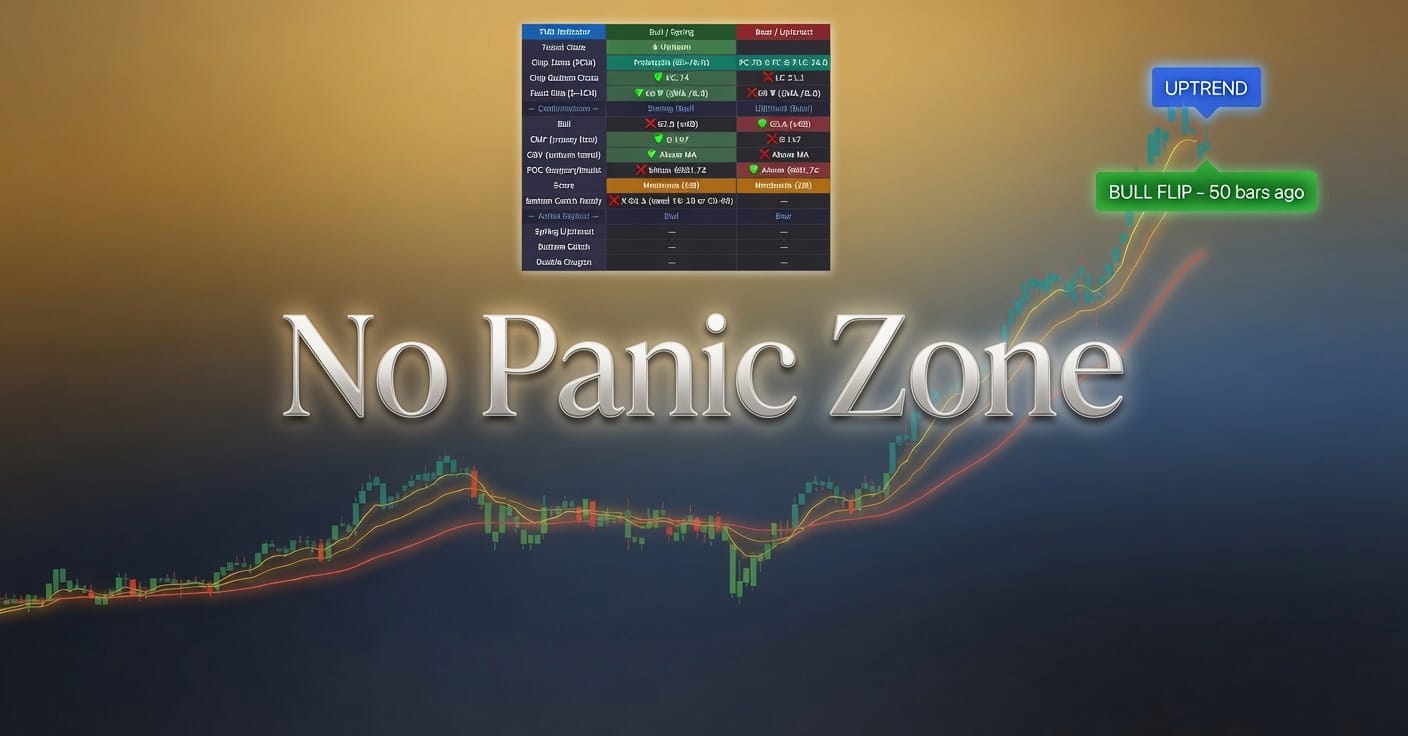
Nvidia's chart formed a symmetrical triangle last week. The 50-day moving average crossed above the 200-day in March. None of the analysts mentioned either pattern because they don't look at charts. They build discounted cash flow models in Excel and assume interest rates, margins, and consumer behavior will cooperate with their assumptions.
The models never account for Mondays when seven different analysts release seven different opinions that collectively tell you nothing except that financial media needs content and analysts need to justify their existence.
By Friday, four of these calls will be wrong. By next Monday, new analysts will issue new calls. The cycle continues. Your portfolio doesn't care what any of them said today.
The symmetrical triangle resolves in one direction or the other regardless of whether Dick's Sporting Goods gets a buy rating.
Photo by on Unsplash




Leave a Comment