

Jim Cramer released his top ten things to watch and semiconductor stocks went up. Bristol Myers announced they're buying Nvidia chips for AI drug discovery. These events happened near each other in time.
Correlation. The word retail traders forget exists.
Bristol Myers is spending shareholder money on graphics cards designed for rendering Fortnite skins because someone in a conference room said "AI" and "drug discovery" in the same sentence. The stock moved. Semiconductor stocks moved. Cramer made a list. None of these things are connected by anything except the desperate need of cable news to fill twenty-three hours of airtime between market open and close.
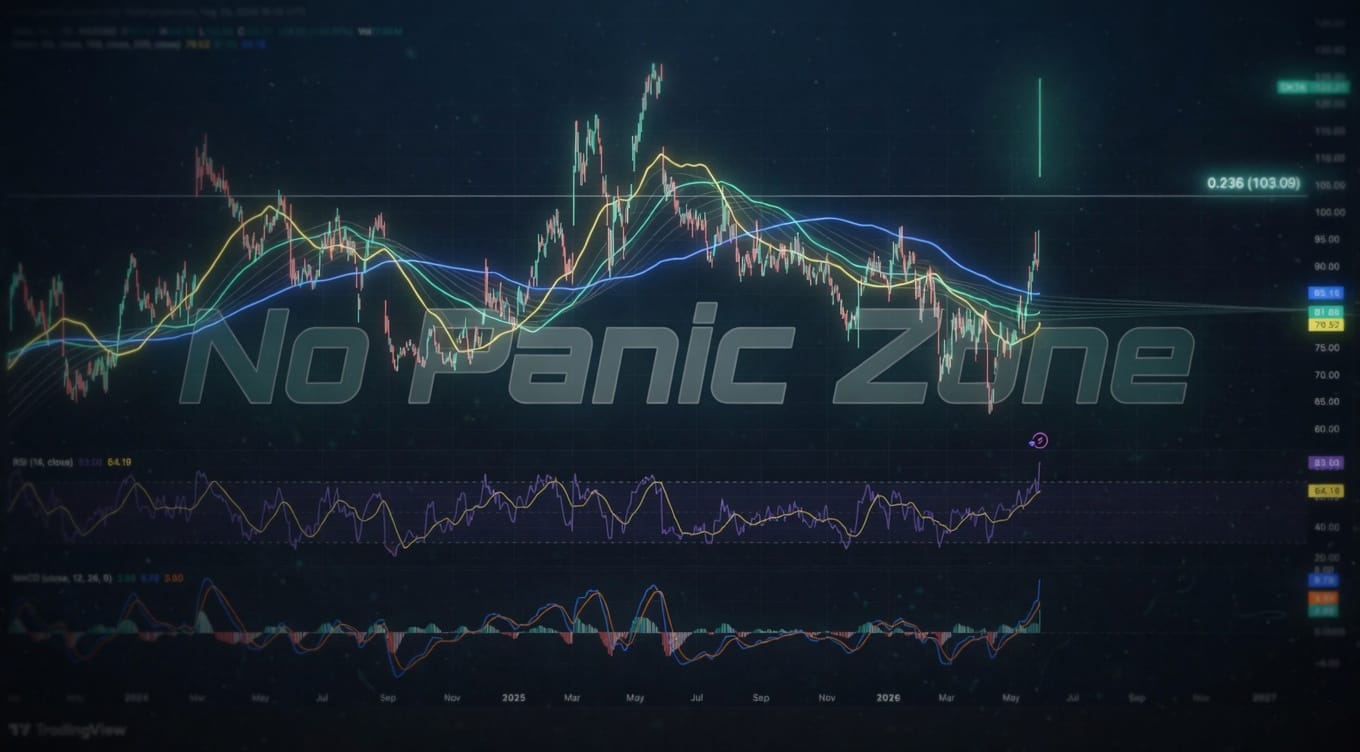
Here's what actually matters: support levels, resistance, volume patterns, and whether price action confirms or divergates from the narrative being sold to you by a man whose job is to keep you watching through the commercial break. Bristol Myers could announce they're pivoting to breeding horses for glue production and if it happens on a day when semis are up three percent, some f*cking genius will write a headline connecting the two.
The technical setup doesn't care about Cramer's list. It doesn't care about Bristol Myers' procurement department. It cares about where buyers showed up last time, where sellers unloaded, and whether volume confirms the move. Everything else is noise designed to make you feel smart for losing money.
Nvidia makes chips. Bristol Myers buys chips. Cramer watches both. You read about all three and somehow convince yourself this information gives you an edge over the algorithms that processed this data four milliseconds after the press release hit the wire.
The chart doesn't need a story. But you do. That's why you're reading lists instead of learning what a VWAP is.
Photo by Nick Chong on Unsplash




Leave a Comment