

Canada slapped $27.6 billion in retaliatory tariffs on U.S. goods because somebody in Washington slapped tariffs on them first. Steel and aluminum duties doubled to 50%. The technical term for this strategy is "I know you are but what am I."
Both countries now tax each other's metal at rates that would make a loan shark blush. Economists call this a trade war. Normal people call it two governments competing to see who can f*ck their own consumers harder. Spoiler: it's a tie.
The war of words between Washington and Ottawa continues. By "war of words" they mean strongly worded press releases that college interns drafted between TikTok sessions. No shots fired. No sanctions that matter. Just expensive steel that costs more because politicians discovered the tariff button and can't stop pressing it.
Your portfolio doesn't care. The S&P doesn't care. The bond market yawned so hard it pulled a muscle. But retail traders are frantically Googling "how do tariffs affect my three shares of SPY" as if headline risk from maple syrup diplomacy will change their exit strategy.
It won't.
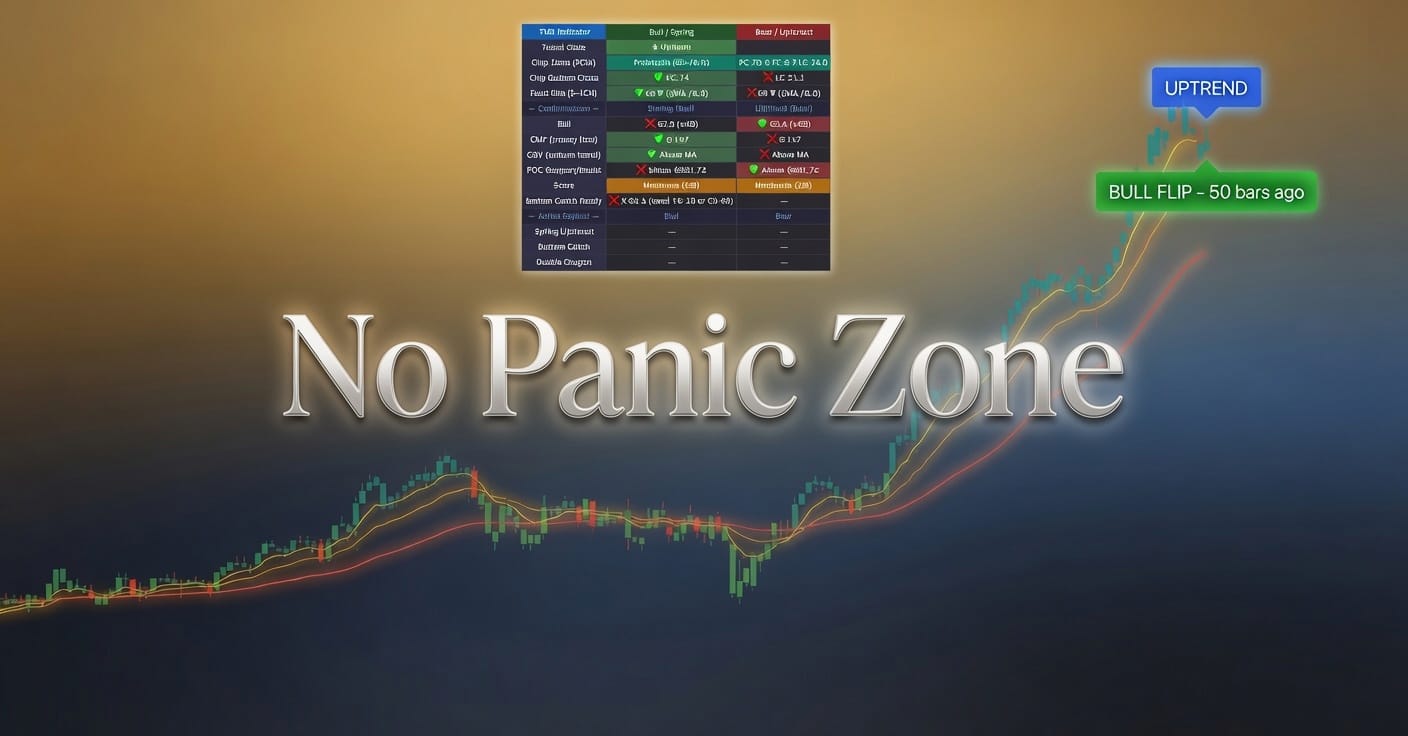
The chart doesn't read Reuters. Price action doesn't subscribe to the Financial Times. Support and resistance levels were drawn decades before Canada and the U.S. started this dick-measuring contest with customs forms. The 200-day moving average will still be exactly where it was before you learned what an aluminum tariff is.
Somewhere a swing trader is panic-selling industrials because Canada got snippy. That same trader will buy them back next week when both countries issue a joint statement about "ongoing dialogue" that means absolutely nothing. The round trip will cost him 4% in slippage and self-respect.
The only thing deepening here is the hole retail digs every time it trades the news.
Photo by John McArthur on Unsplash




Leave a Comment