

Canada's ambassador walked into Washington and said tariffs raise costs. Groundbreaking stuff. Somewhere, an economics textbook got a restraining order.
His second point: the tariffs threaten U.S. investment. Companies hate building factories when the price of steel changes every Tuesday. Nobody needed a diplomat for that. A mildly attentive hamster could have told you.
Trump will respond the way he always does. He will call it a negotiating tactic. Then he will negotiate against himself.
Canada sends us lumber, oil, aluminum, and politeness. We send back invoices and a tone. The ambassador's job is to keep saying "eh" until someone in the White House blinks. Nobody blinks. The talks stay complicated. Complicated is the permanent status of every trade talk since the Bronze Age.
Retail traders will read this headline and buy a Canadian ETF. They will not know what is in it. They will not know why they bought it. They will hold it through a tariff announcement posted at 6 a.m. by a man who has never once read a bill of lading.
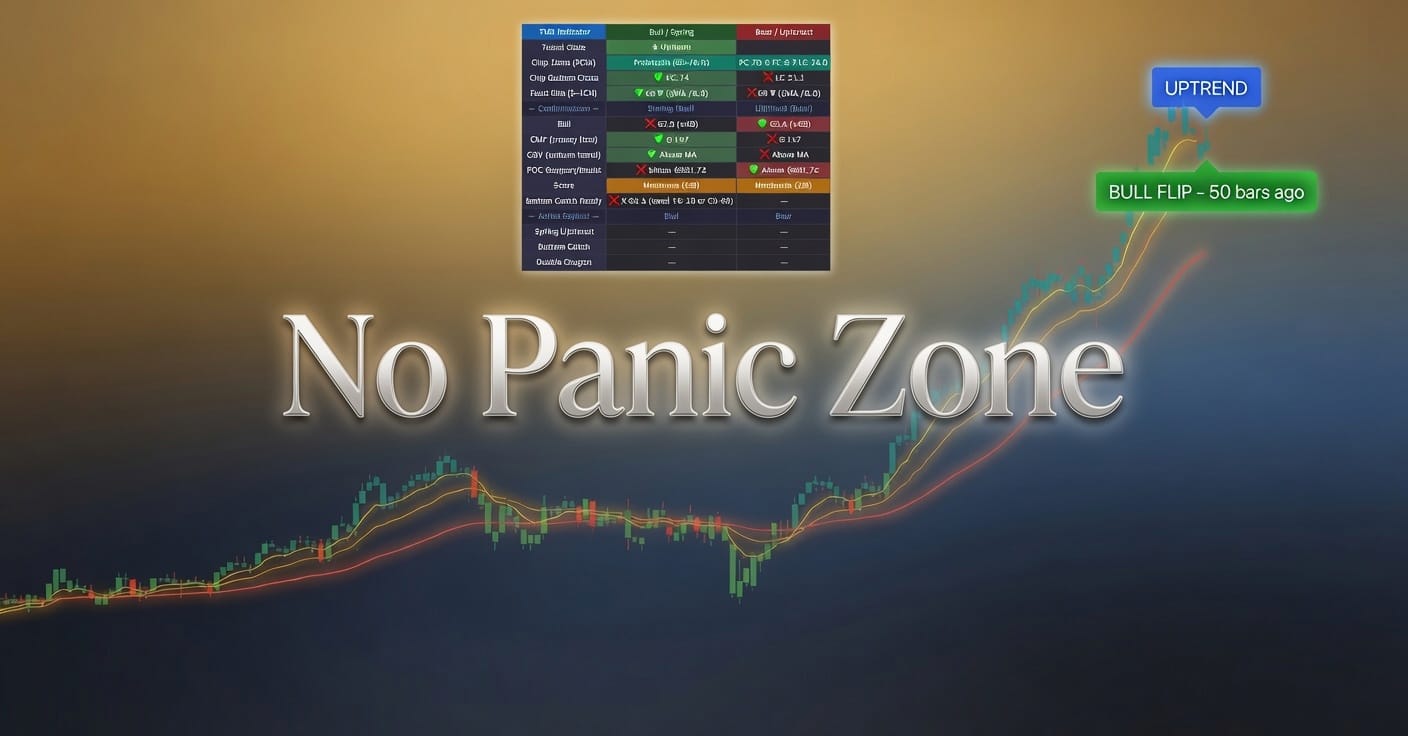
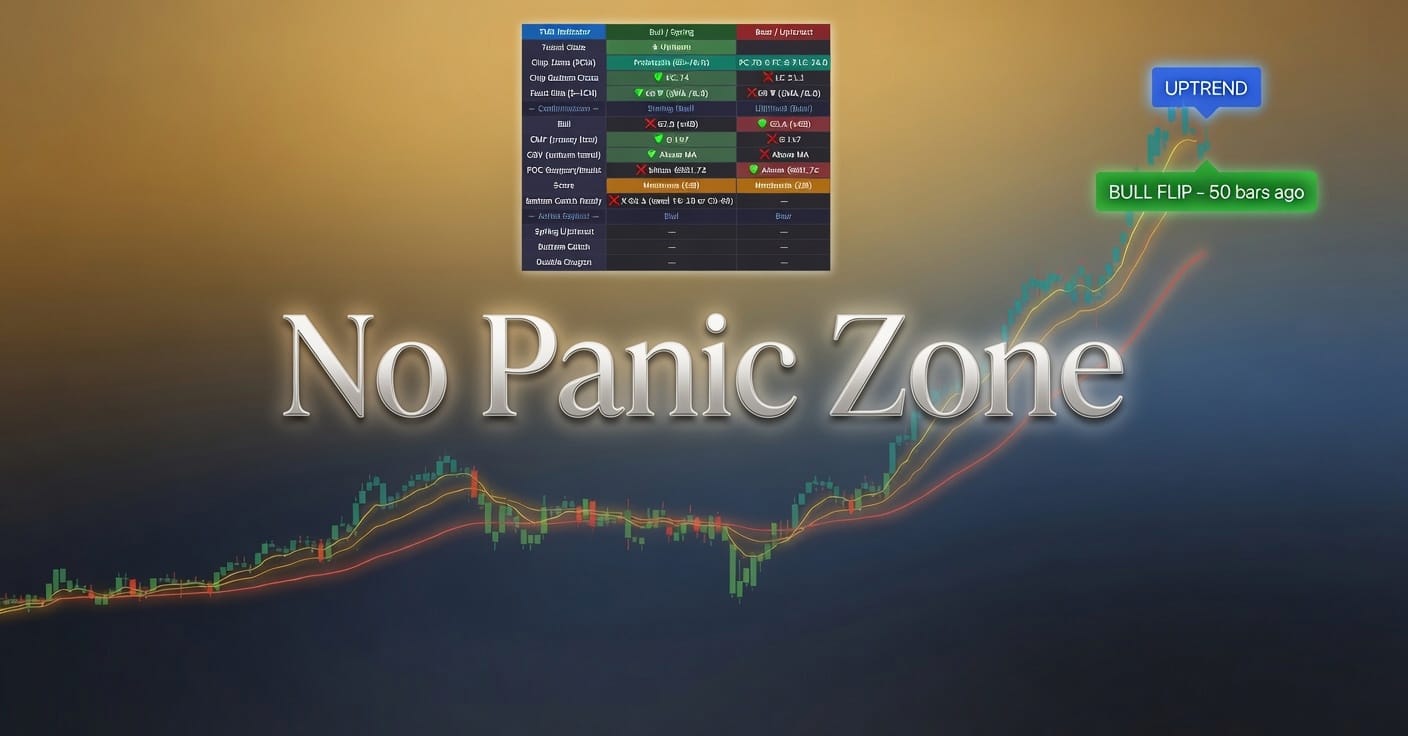
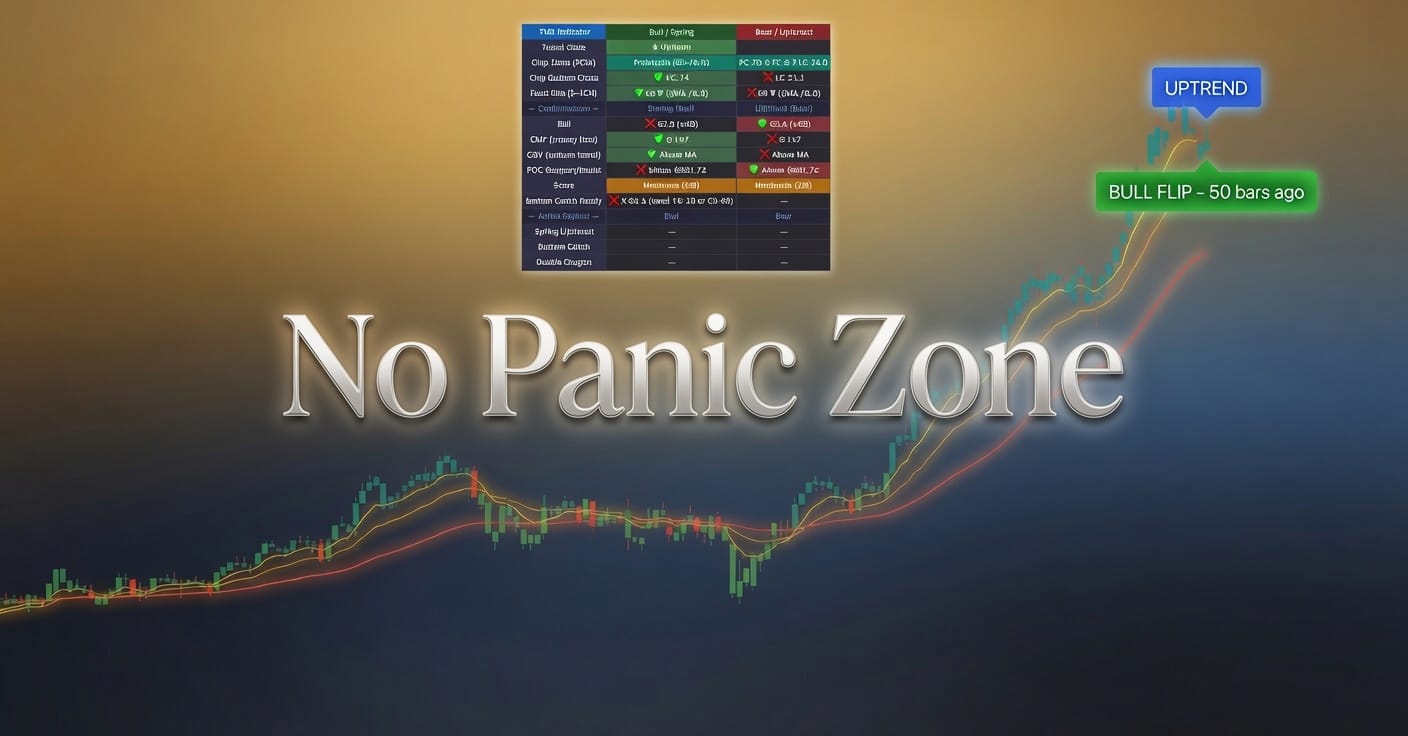
Technical analysis has a view. The chart shows a line. The line goes up, then down, then sideways. That is the whole forecast. It is also the whole negotiation.
The ambassador warns of higher costs. Costs are already higher. He is warning us about the thing that is happening, like a lifeguard shouting "wet" at a drowning man.
Buy the dip if you want. Your portfolio is a moose in a Senate hearing: large, confused, and not invited.
Photo by John McArthur on Unsplash





Leave a Comment