

Deutsche Bank analysts looked at Qnity Electronics and decided semiconductor tailwinds would boost earnings. They published this thought. Someone paid them to publish this thought.
The tailwinds have "already likely boosted" sales. Already likely. The thing either happened or it didn't. Schrödinger's revenue report. The sales exist in a quantum state until Deutsche Bank observes them and collapses the waveform into a price target.
Here's what happened. Semiconductors went up. Things that use semiconductors also went up. Deutsche Bank spent six figures on Bloomberg terminals and analyst salaries to arrive at this conclusion. They could have asked a seventh grader with a TI-84 calculator.
Qnity Electronics makes distribution equipment for semiconductors. When chip demand rises, Qnity sells more equipment. This counts as analysis in 2026. This is what passes for an edge. Your grandfather bought stocks based on whether the factory had smoke coming out of the chimney. You're buying them because a German bank said the word "momentum" near the word "semiconductor."
The stock could gain more momentum. It could also lose momentum. It could trade sideways while you refresh your brokerage app forty times before lunch. Momentum is just price movement with a leather jacket and sunglasses.
Retail traders will read "semiconductor-linked" and picture themselves retiring early. They'll ignore that linkage can mean anything from "makes the chips" to "once sold a stapler to someone who worked at TSMC." The supply chain is long. Your position in it is short.
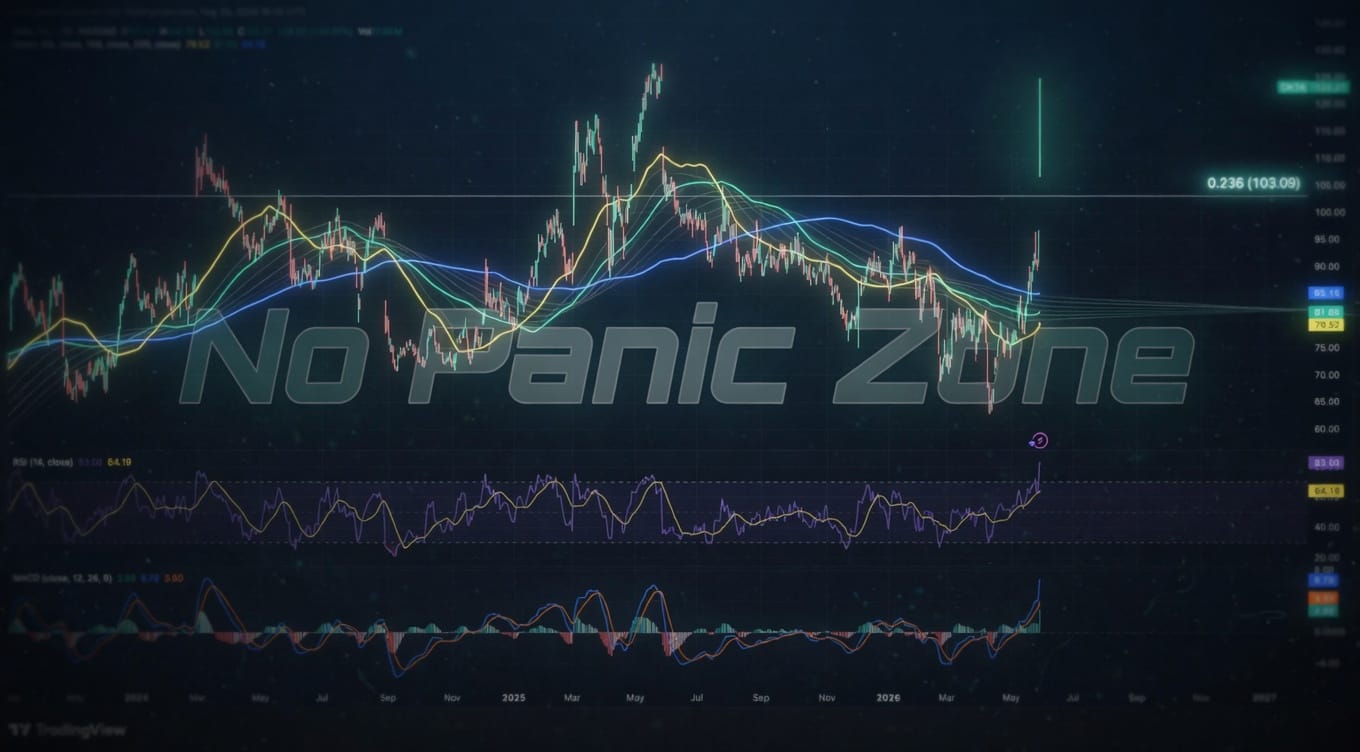
Deutsche Bank says buy. The chart says nothing because charts can't talk. They're lines on a screen. You're the one doing all the talking, and you're usually wrong.
Qnity will report earnings when they report earnings, and the number will be whatever it is, and Deutsche Bank will have been right or wrong for reasons that have nothing to do with their research note, and you'll still be checking your phone at dinner.
Photo by Oren Elbaz on Unsplash




Leave a Comment