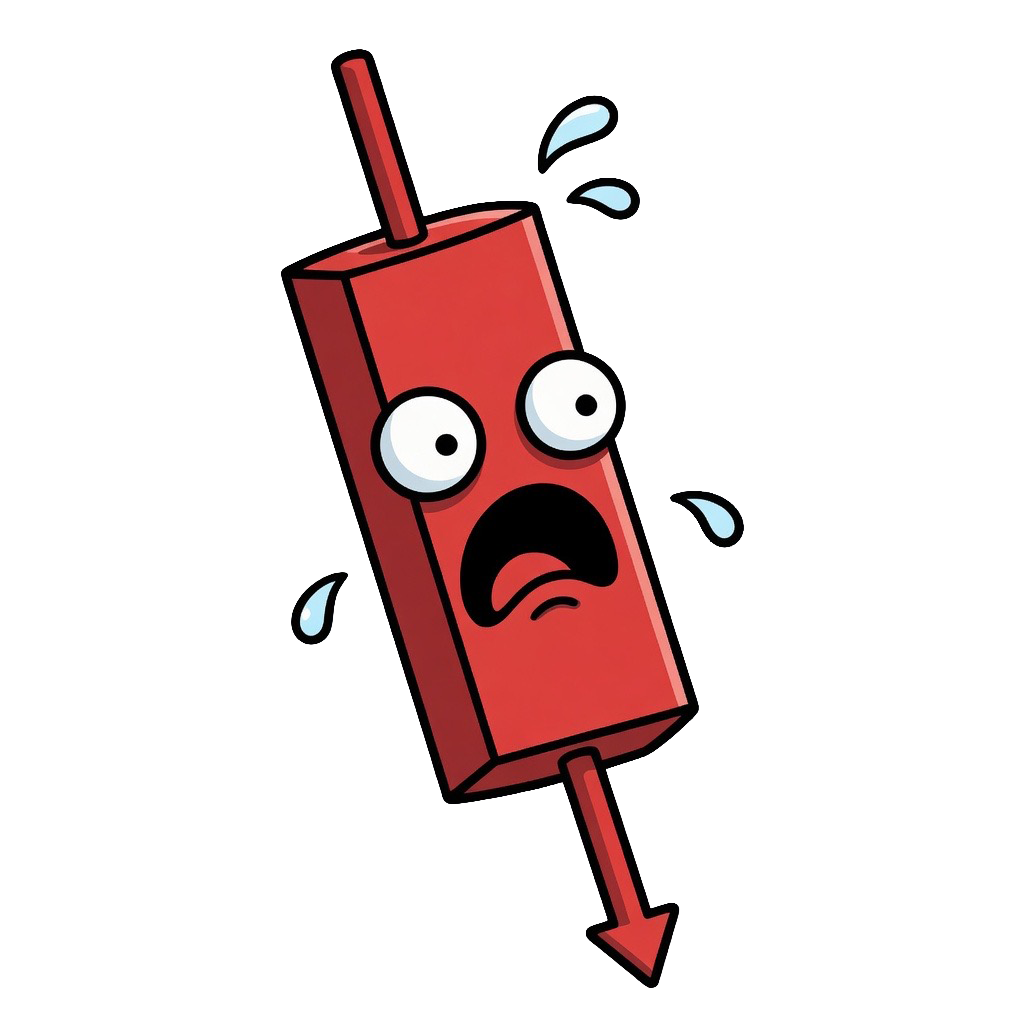

Domino's, Papa Johns and Pizza Hut are in trouble. Demand is weaker. Delivery rivals multiply. Eating habits shift. GLP-1 drugs get the headline, but the headline admits they are only one part of it.
Read that again. Pizza chains are being eaten alive by many small problems at once. Death by a thousand slices.
Papa Johns has spent years as the pizza chain people forget exists until a coupon shows up in their email. Pizza Hut built its empire on red plastic cups and a reading program for children. Domino's rebranded by admitting its old pizza was bad. That was the peak. It has been downhill since, and downhill is the only direction pizza ever travels, usually on a moped.
Now the delivery apps want a cut. DoorDash and Uber Eats will bring you any restaurant's food, including food that is not pizza. Pizza lost its monopoly on the thing it was best at, which was arriving.
Then there is the Ozempic crowd. Millions of people now feel full after two bites. A pizza chain's business model is selling a 14-inch disc to someone who feels nothing. When your customer feels everything in two bites, you have a problem. That's a pretty good reason to cry into your breadsticks.
Analysts will draw lines on charts. They will call this a structural shift. I call it a Tuesday. The chart says what it always says: things go up, things go down, and a man in a Domino's visor still has to explain the stuffed crust to a toddler.
Retail traders will buy the dip. They always do. They will tell their spouses it is a value play, a turnaround story, a bet on cheese. Their spouses will nod the way you nod at a dog that thinks it is a person.
Pizza was supposed to be recession-proof. Cheap, hot, shareable. Nobody mentioned it was also appetite-dependent, which is a detail you would think the pizza people would have checked.
Buy Pizza Hut calls if you must. At least when you lose everything, it will arrive in thirty minutes or less.
Photo by on Unsplash



Leave a Comment