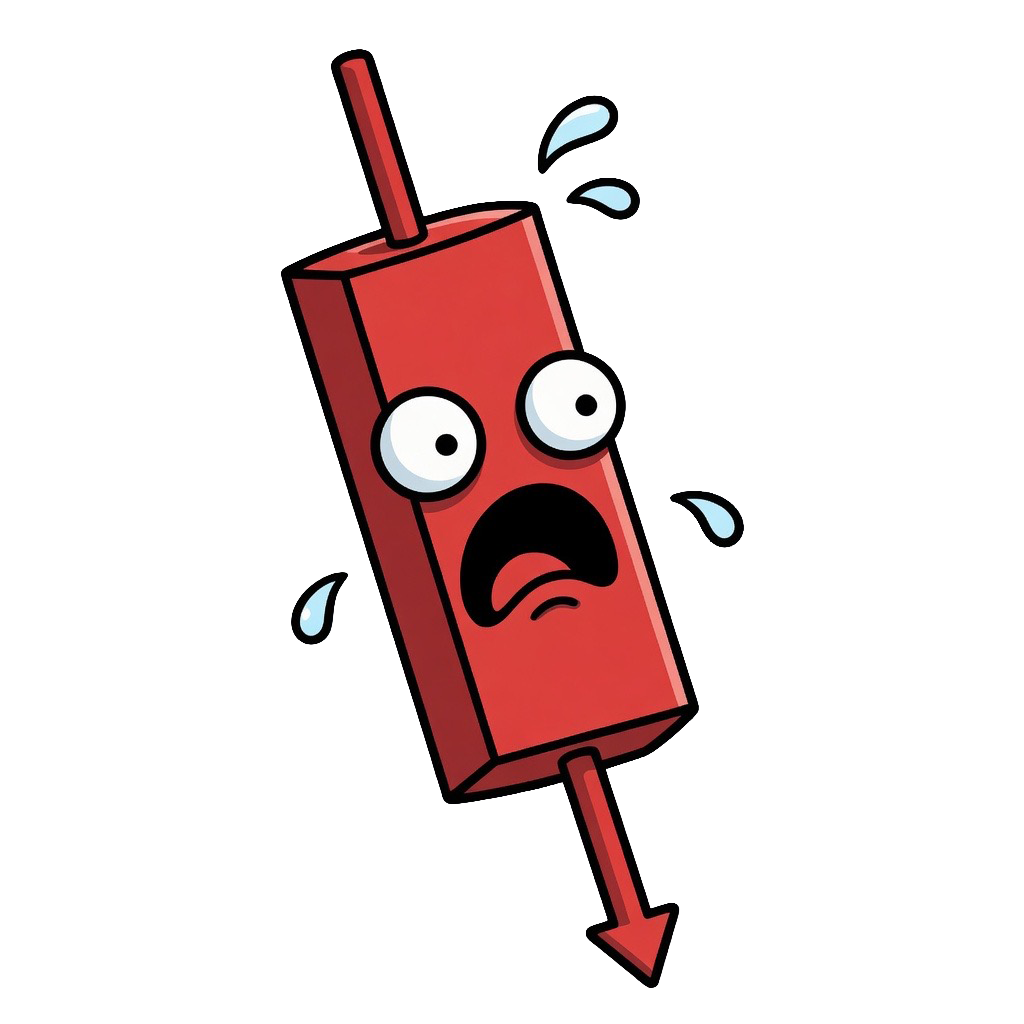

Dow futures dropped 300 points to start a shortened week. Oil prices climbed. The Middle East exists and Canada might be mad at us. These three things happened near each other in time so we're calling it causation.
The Middle East war—which one doesn't matter because traders can't locate it on a map—sent futures tumbling. Oil went up because oil always goes up when something happens anywhere between Egypt and Pakistan. Retail traders refreshed their Robinhood apps forty times before realizing futures aren't even the real market.
Canada and the U.S. have rising trade tensions. Canada. The country that apologizes when you step on their foot. The geopolitical threat equivalent of a strongly worded letter from your homeowner's association. But futures heard the word "tensions" and panicked anyway because algorithms don't understand context.
Wall Street kept tabs on these events. Kept tabs. As if there's a guy in a Bloomberg terminal room with a composition notebook writing "Monday: Middle East still bad, oil still up, Canada still polite but firm." The tabs have been kept. The monitoring is ongoing. The watching continues.
A shortened week means four trading days instead of five. This is important because it gives retail traders one less day to lose money, which they'll somehow interpret as bullish.
None of this matters. The Dow will open wherever it opens. Oil will cost whatever it costs. Canada will continue being Canada. And by Tuesday everyone will forget why futures fell on Monday because new headlines will arrive to panic about. The chart doesn't care about your tabs.
Futures fell 300 points and someone got paid six figures to write "amid geopolitical concerns" in a news alert that seventeen million people scrolled past while sitting on the toilet.
Photo by Oren Elbaz on Unsplash



Leave a Comment